What Is a Pressure Switch and Why Is It So Important to Your Well System?
If you rely on a private well, your pressure switch is one of the smallest but most important components in the entire system. While many homeowners are familiar with the well pump and pressure tank, the pressure switch often goes unnoticed—until something goes wrong.
A faulty pressure switch can cause low water pressure, constant pump operation, or even leave your home without water. Understanding what it does and recognizing the warning signs of failure can help you avoid unnecessary repairs and protect your well system.
✅ What Does a Pressure Switch Do?
The pressure switch monitors the water pressure inside your plumbing system.
When pressure drops to a preset level because water is being used, the switch signals the well pump to turn on. Once the system reaches the proper pressure again, it tells the pump to shut off.
This automatic process keeps water flowing without requiring homeowners to manually control the pump.
Without a functioning pressure switch, your well system cannot regulate water pressure properly.
✅ How Does a Pressure Switch Work?
Most residential well systems use a pressure switch with two pressure settings:
- Cut-in pressure – The point where the pump starts.
- Cut-out pressure – The point where the pump stops.
For example, a common setting is 40/60 PSI, meaning the pump turns on at 40 PSI and shuts off at 60 PSI.
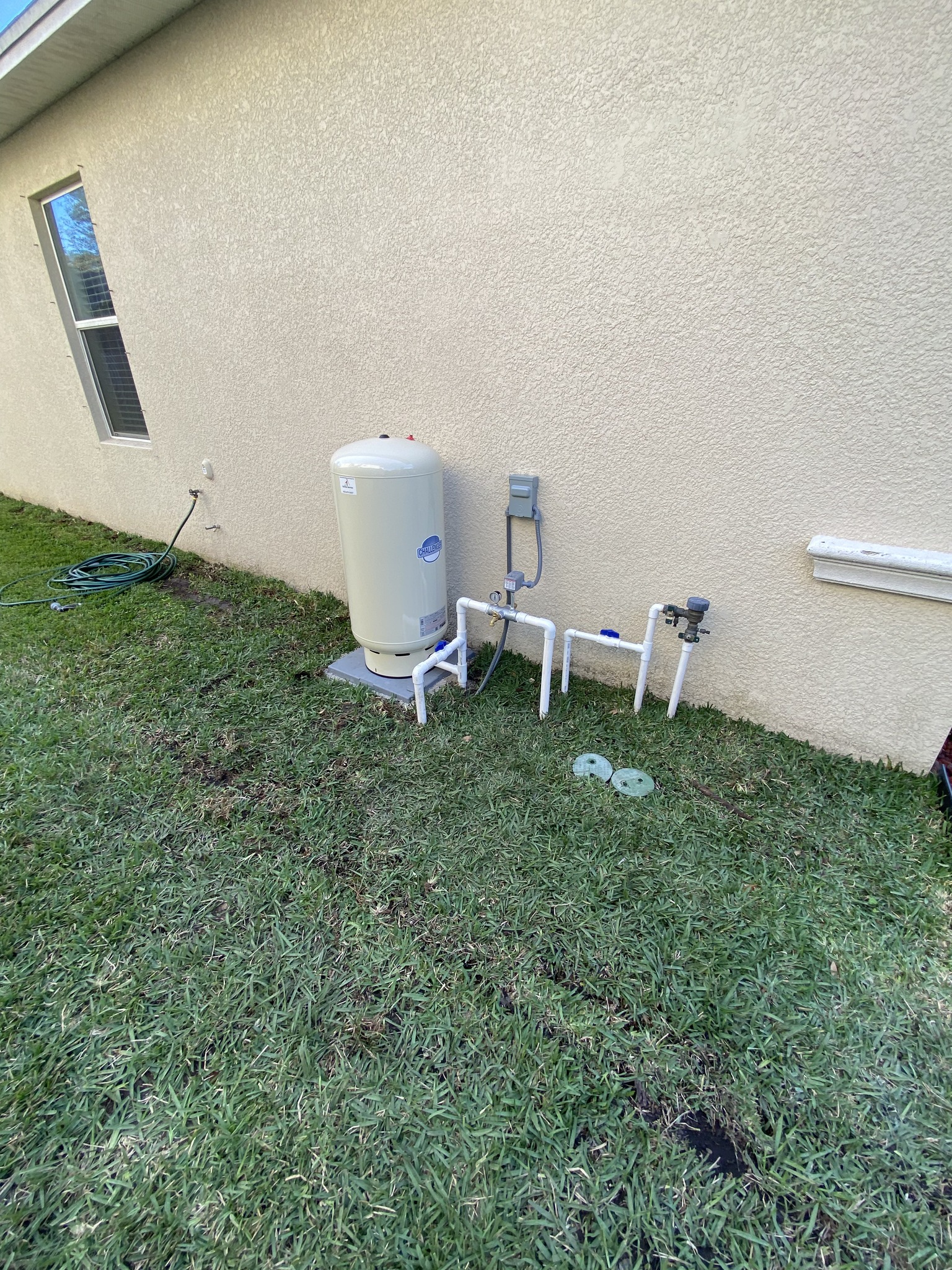
The pressure tank and pressure switch work together to maintain consistent water pressure throughout your home.
✅ Common Signs of a Bad Pressure Switch
Pressure switch problems often develop gradually.
Watch for signs such as:
- No water coming from faucets
- Inconsistent water pressure
- Pump won’t turn on
- Pump won’t shut off
- Rapid pump cycling
- Clicking sounds from the switch
- Burn marks or corrosion on the switch housing
These symptoms don’t always mean the switch is the only problem, but they do indicate your well system should be inspected.
✅ What Causes a Pressure Switch to Fail?
Like any electrical component, pressure switches wear over time.
Common causes include:
- Normal aging
- Electrical arcing
- Corrosion
- Moisture exposure
- Dirt or debris
- Pressure tank problems
- Power surges
In some cases, a failing pressure switch is actually a symptom of another issue elsewhere in the well system.
✅ Can a Bad Pressure Switch Damage the Well Pump?
Yes.
If the pressure switch doesn’t turn the pump on or off at the correct time, the pump may run longer than necessary or cycle excessively.
Over time, this can lead to:
- Motor overheating
- Increased electrical use
- Premature pump wear
- Reduced equipment lifespan
Fixing a faulty pressure switch early can help prevent more expensive repairs later.
✅ Pressure Switch vs. Pressure Tank
These two components are often confused because they work together.
Pressure Switch
- Controls when the pump starts and stops
- Uses pressure readings to activate the pump
- Electrical component
Pressure Tank
- Stores pressurized water
- Reduces pump cycling
- Maintains consistent household water pressure
A problem with either component can produce similar symptoms, which is why a complete system inspection is important.
✅ Can You Replace a Pressure Switch Yourself?
Although pressure switches are relatively inexpensive, replacing one involves working with electrical components and pressurized plumbing equipment.
Improper installation can lead to:
- Incorrect pressure settings
- Pump damage
- Electrical hazards
- Ongoing water pressure problems
If you’re unsure of the cause of the problem, it’s safer to have the system professionally diagnosed before replacing parts.
✅ How Long Does a Pressure Switch Last?
Most pressure switches provide years of reliable service, but their lifespan depends on:
- Frequency of pump operation
- Water quality
- Electrical conditions
- Moisture exposure
- Overall system maintenance
Regular inspections can identify wear before the switch fails unexpectedly.
✅ Preventing Pressure Switch Problems
Routine well maintenance helps reduce unnecessary wear on all system components.
A yearly inspection should include:
- Testing pressure switch operation
- Checking pressure tank performance
- Verifying pressure settings
- Inspecting electrical connections
- Looking for corrosion or moisture damage
- Evaluating overall pump performance
Preventive maintenance often identifies small issues before they become emergency repairs.
✅ When Should You Call a Professional?
A pressure switch problem should be inspected if:
- Your home suddenly loses water
- The pump runs continuously
- Water pressure changes dramatically
- Breakers repeatedly trip
- The switch makes unusual clicking sounds
- You notice visible damage or corrosion
Because these symptoms can also indicate pump or pressure tank problems, accurate diagnosis is the best way to avoid replacing parts unnecessarily.
✅ Protect Your Entire Well System
The pressure switch may be small, but it has a big job. It helps coordinate your well pump and pressure tank to deliver reliable water pressure throughout your home.
Ignoring the early signs of failure can place unnecessary strain on your entire well system. Regular inspections and prompt repairs can help extend the life of your equipment and reduce the likelihood of unexpected breakdowns.
If you’re experiencing water pressure issues or suspect a pressure switch problem, Galan Well Drilling & Pump Inc. provides professional well system diagnostics, repairs, and maintenance throughout the Tampa Bay area.
✅ Frequently Asked Questions
What does a well pressure switch do?
A pressure switch automatically turns the well pump on and off based on the water pressure inside the system.
How do I know if my pressure switch is bad?
Common signs include inconsistent water pressure, no water, constant pump operation, rapid cycling, or visible damage to the switch.
Can a pressure switch cause low water pressure?
Yes. A faulty switch may prevent the pump from operating correctly, leading to pressure problems throughout the home.
How long does a pressure switch last?
The lifespan varies depending on operating conditions, water quality, and maintenance, but many switches provide years of reliable service before replacement is needed.
Can a pressure tank cause the same symptoms?
Yes. Pressure tank problems can closely resemble pressure switch failures, which is why a complete system inspection is recommended before replacing components.
Should I replace a pressure switch myself?
Because the switch is connected to both electrical and water systems, professional diagnosis and replacement are generally the safest approach.
Service Areas
Galan Well Drilling & Pump Inc. provides well pump repair, pressure switch replacement, pressure tank service, well drilling, and complete well system diagnostics throughout the Tampa Bay area. Whether you’re dealing with inconsistent water pressure or a complete loss of water, our team can help identify the cause and restore reliable performance.