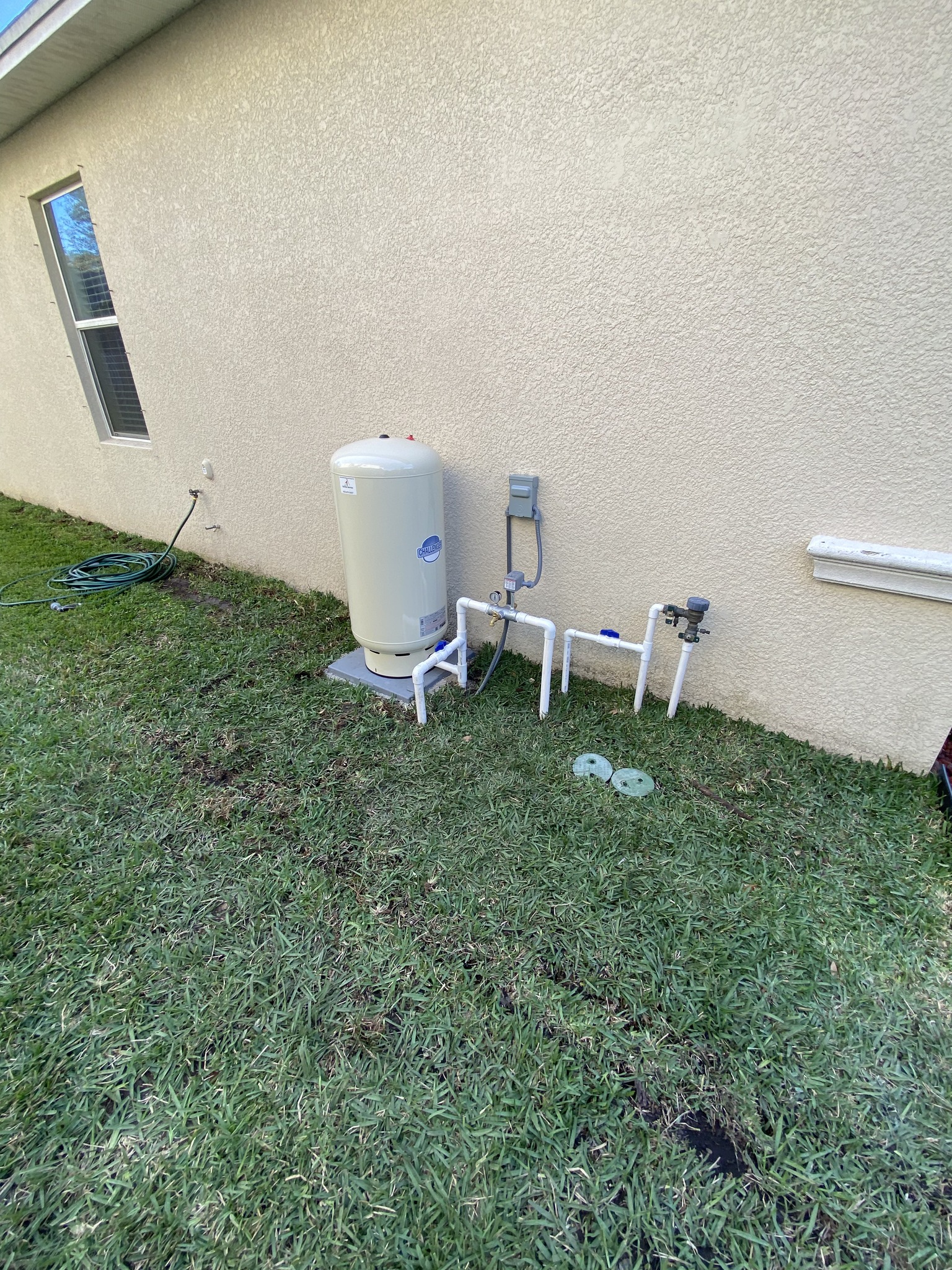
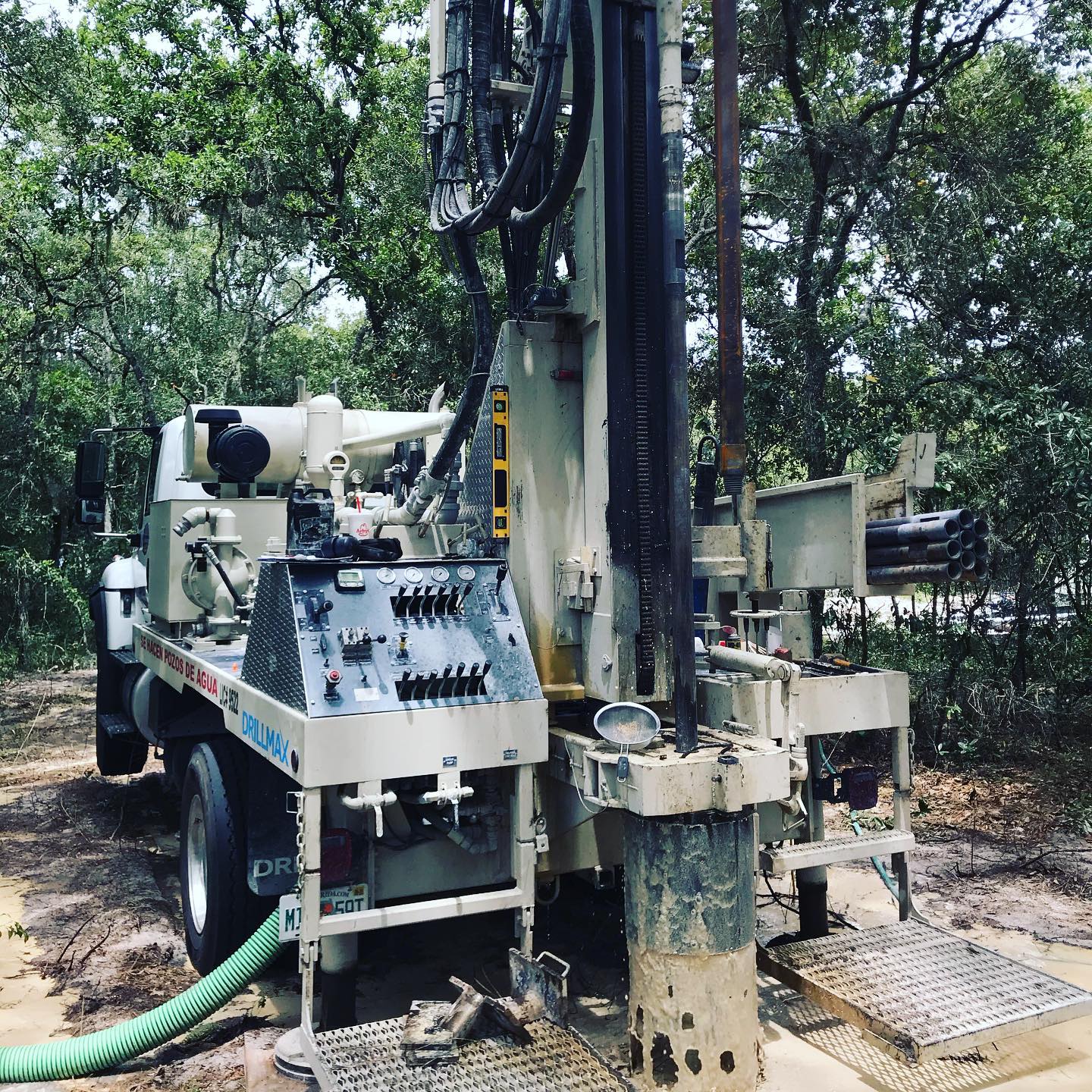
A well pump that runs continuously is usually telling you one thing: the system isn’t reaching the pressure required for the pump to shut off, or the controls aren’t responding correctly when that pressure is reached.
The cause could be a plumbing leak, pressure-switch problem, reduced pump performance, inadequate water supply, or another issue within the well system.
If the pump has been running continuously, don’t assume that letting it run longer will solve the problem. Extended operation can put unnecessary stress on the equipment.
✅ How a Well Pump Normally Knows When to Stop
Most conventional residential well systems use a pressure switch to control pump operation.
As you use water, system pressure falls. At the switch’s cut-in pressure, the pump starts. The pump then replenishes the system until the cut-out pressure is reached, at which point the switch shuts it off.
So when a pump won’t stop, the useful diagnostic question isn’t simply:
“Why is the pump running?”
It’s:
“Why isn’t the system reaching—or responding to—the shutoff pressure?”
That distinction helps narrow the problem considerably.
1. A Leak May Be Preventing the System From Building Pressure
A substantial water leak can cause the pump to run continuously because water is escaping almost as quickly as the pump supplies it.
The leak could be somewhere in:
- Household plumbing
- Outdoor plumbing
- Irrigation equipment
- The line between the well and the house
- Well-system piping or connections
Some leaks are obvious. Others aren’t.
A simple observation can provide a useful clue
Turn off faucets, appliances, irrigation, and other intentional water use.
If the pump continues operating when nobody should be using water, something deserves investigation.
That doesn’t prove there’s a leak, but it helps establish that ordinary household demand isn’t keeping the pump running.
2. The Pump May No Longer Be Producing Enough Pressure
A pump doesn’t necessarily stop working all at once.
Equipment wear can sometimes result in a pump that still moves water but struggles to develop sufficient pressure.
Imagine a system that needs to reach its shutoff pressure but can only get close to it. The pump may continue operating because the pressure switch never receives the condition that tells it to stop.
Other symptoms may include:
- Weaker water pressure
- Longer pump cycles
- Reduced flow
- Difficulty supplying multiple fixtures
- Gradual decline in system performance
This is why a pump that is visibly or audibly running shouldn’t automatically be considered healthy.
3. The Pressure Switch May Not Be Working Correctly
The pressure switch is responsible for starting and stopping the pump in many well systems.
Problems involving the switch or its ability to sense system pressure can interfere with normal operation.
A technician may need to determine whether:
- System pressure is actually reaching the expected range
- The switch responds correctly
- Electrical contacts are functioning properly
- The pressure-sensing connection is clear and operating as intended
Because the switch involves electricity, homeowners should avoid opening or adjusting energized components.
4. The Well May Not Be Supplying Enough Water
Sometimes the problem isn’t primarily mechanical.
If the well cannot provide water at the rate the pump is attempting to deliver it, the system may struggle to recover and build normal pressure.
Possible symptoms can include:
- Reduced flow
- Air or sputtering from faucets
- Water service that becomes worse during heavy use
- A pump that runs for unusually long periods
Determining whether water availability is involved requires more than checking whether the pump turns on.
The condition of the well itself matters.
5. A Problem in the Water Line Can Keep Pressure From Recovering
The pump and pressure equipment may be working, but water can still be lost before reaching its intended destination.
Problems with piping or connections can prevent the system from reaching normal pressure.
This is particularly important because an underground problem may not be immediately visible from inside the home.
Replacing a pump without identifying a piping problem wouldn’t solve the underlying issue.
What About the Pressure Tank?
A pressure tank is closely connected to pump operation, so it’s reasonable to suspect it when cycling behavior changes.
But a pump that runs continuously is not the same symptom as a pump that starts and stops too frequently.
A failing or improperly functioning pressure tank is strongly associated with short cycling because the system loses its normal reserve of pressurized water.
Continuous running, on the other hand, should prompt investigation into why the system cannot reach or respond to shutoff pressure.
The complete pressure system still needs to be evaluated rather than diagnosing the problem from one symptom.
Short Cycling vs. Constant Running
These two problems are easy to confuse, but they describe different system behavior.
| Symptom | What You’re Seeing | What Needs Investigation |
|---|---|---|
| Short cycling | Pump starts and stops unusually often | Pressure tank, pressure control and system demand |
| Constant running | Pump starts but doesn’t shut off normally | Ability to build pressure, leaks, controls, pump performance and water supply |
| No pump operation | Pump doesn’t start when pressure falls | Power, controls, pump and electrical system |
These aren’t diagnoses. They’re useful starting points for determining where troubleshooting should begin.
✅ What Can You Check Without Taking the System Apart?
You don’t need to dismantle well equipment to gather useful information.
Stop intentional water use
Turn off faucets, water-using appliances, and irrigation.
Observe whether the pump continues running.
Look at the pressure gauge
If your system has an accessible pressure gauge, note what happens while the pump operates.
Does pressure rise?
Does it rise and then stop increasing?
Does it appear to reach its normal upper range while the pump continues operating?
Those behaviors can help a professional distinguish between a pressure-generation problem and a control problem.
Look for visible water
Without excavating or disassembling anything, check accessible areas for:
- Wet plumbing connections
- Water around well equipment
- Unexplained saturated areas
- Obvious household leaks
Pay attention to other symptoms
Make note of low pressure, air at faucets, unusual noises, dirty water, or recent changes in pump behavior.
Several symptoms occurring together can provide much more diagnostic value than one symptom alone.
❌ What Shouldn’t You Do?
Avoid trying to force the system back into normal operation by randomly adjusting components.
In particular:
- Don’t repeatedly cycle the breaker.
- Don’t alter pressure-switch settings without understanding the system.
- Don’t work on energized electrical components.
- Don’t allow a pump to run indefinitely while producing little or no water.
- Don’t replace the pump solely because it runs continuously.
The last point can save homeowners from an expensive mistake.
If the real problem is a leak, control issue, or insufficient water supply, a new pump may behave exactly like the old one.
When Does Constant Running Require Prompt Attention?
If the pump briefly runs longer than usual during unusually heavy water use, that alone doesn’t establish a failure.
The situation becomes more concerning when the pump:
- Doesn’t shut off after water use stops
- Cannot restore normal pressure
- Runs while very little water reaches the house
- Produces unusual sounds
- Is accompanied by air or sputtering at fixtures
- Suddenly behaves differently from its normal pattern
A major change in normal operation is more useful diagnostically than simply counting how many minutes the pump has been running.
What Will a Well Professional Need to Determine?
Good troubleshooting follows the water and pressure through the system instead of immediately replacing a component.
Depending on the equipment installed, diagnosis may focus on questions such as:
Is the well providing adequate water?
Is the pump moving that water effectively?
Can the system build and hold pressure?
Is water escaping somewhere?
Does the pressure-control system respond correctly?
Once those questions are answered, repair decisions become much more targeted.
Need the system diagnosed?
If your pump continues running after household water use has stopped, Galan Well Drilling & Pump Inc. can inspect the well and pump system to determine why normal pressure isn’t being restored before recommending the appropriate repair.
Can You Prevent a Well Pump From Running Continuously?
Not every failure is preventable, but changes in system behavior often provide an opportunity to investigate before water service is lost completely.
Pay attention when:
- Pump cycles become noticeably longer
- Household pressure gradually declines
- The pump begins operating when nobody is using water
- Water delivery becomes inconsistent
- You begin hearing new equipment noises
These observations are more useful than replacing components according to an arbitrary schedule.
✅ The Bottom Line
If your well pump runs constantly, the pump itself is only one possible cause.
The more important question is why the system isn’t reaching or responding to the pressure that should shut the pump off. A leak, pressure-control problem, declining pump performance, piping issue, or inadequate water supply can all produce similar behavior.
Avoid guessing based on the symptom alone.
Galan Well Drilling & Pump Inc. can evaluate the complete well system and identify the source of the problem so the repair addresses the actual failure rather than simply replacing parts.
Frequently Asked Questions
Why won’t my well pump shut off?
The system may not be reaching its shutoff pressure, or the controls may not be responding correctly. Possible causes include leaks, pump-performance problems, pressure-control issues, piping problems, or inadequate water supply.
Should my well pump run when no water is being used?
A conventional system should eventually satisfy its pressure requirement and shut the pump off. If it continues running after household water demand stops, the system should be investigated.
Can a water leak make a well pump run continuously?
Yes. If enough water escapes from the system, pressure may never reach the point required to shut the pump off.
Is a constantly running pump the same as short cycling?
No. Short cycling means the pump starts and stops excessively. Constant running means the pump remains on longer than expected or doesn’t shut off. The two symptoms can point troubleshooting in different directions.
Does a constantly running pump mean it needs replacement?
Not necessarily. The pump may be worn, but leaks, pressure controls, piping, or water availability can produce similar symptoms. Diagnosis should come before replacement.
Can I keep using water while the pump runs continuously?
Reducing unnecessary water use is sensible until the cause is identified. If the pump cannot build pressure, produces little water, or continues running without shutting off, arrange service promptly rather than allowing prolonged operation.