A new water well installation involves much more than drilling a hole in the ground. The process requires evaluating the property, selecting an appropriate well location, drilling into the subsurface, constructing the well, installing the pumping equipment, and making sure the completed system can reliably deliver water.
The exact process varies from property to property because well depth, groundwater conditions, site access, water demand, and equipment requirements are not identical everywhere.
Understanding the basic process can help you know what to expect before drilling begins.
✅ Step 1: Evaluating the Property
Before drilling, the contractor needs to understand the property and determine where a well can appropriately be located.
The evaluation may consider factors such as:
- Property layout
- Access for drilling equipment
- Existing structures
- Existing utilities
- Septic-system components where applicable
- Site conditions
- The intended use of the well
- Applicable well-location requirements
This stage matters because the location of the well affects both the drilling process and the long-term accessibility of the system.
A convenient drilling location isn’t automatically the right well location.
✅ Step 2: Determining What the Well Needs to Supply
Not every property places the same demands on a well.
A household’s expected water use, irrigation needs, property configuration, and other water requirements can influence decisions about the completed system.
The goal isn’t simply to reach groundwater.
The goal is to create a system capable of delivering water appropriately for the property’s intended use.
That means the well and the equipment serving it need to be considered together.
✅ Step 3: Preparing the Drilling Area
Well drilling requires specialized equipment and enough room to operate it safely.
Before drilling begins, access to the selected area needs to be established.
Homeowners should expect activity around the drilling location. The exact amount of space and site preparation required depends on the equipment, property, and conditions encountered.
If landscaping, fencing, gates, overhead obstacles, or other access restrictions exist, discussing them before the project begins can prevent problems once equipment arrives.
✅ Step 4: Drilling the Well
Once the site is ready, drilling begins.
The drilling equipment advances through the subsurface toward water-bearing formations.
This is one reason homeowners should be cautious about anyone promising an exact well depth before site conditions are known.
Two properties can have different subsurface conditions even when they’re located in the same general region.
The necessary depth is determined by the conditions encountered and the requirements of the completed well—not simply by choosing a standard number beforehand.
✅ Step 5: Constructing and Protecting the Well
Drilling creates the borehole, but a functioning water well also requires proper construction.
Well casing and other components are used as appropriate to create and protect the well structure.
An important objective is to help separate the water-producing portion of the well from unwanted surface influences and unstable surrounding material.
This is why well construction matters just as much as reaching water.
A well is a permanent part of the property, so decisions made during construction can affect how the system performs and how it can be serviced later.
✅ Step 6: Evaluating the Water Supply
Finding water doesn’t necessarily mean the work is finished.
The contractor needs to understand how the well performs.
One of the important questions is whether the well can provide water at a rate suitable for the property’s expected needs.
This distinction is important:
Water being present in a well and a well providing an adequate usable supply are not necessarily the same thing.
The well’s performance helps inform decisions about the pumping system and how water will be delivered to the property.
✅ Step 7: Installing the Well Pump
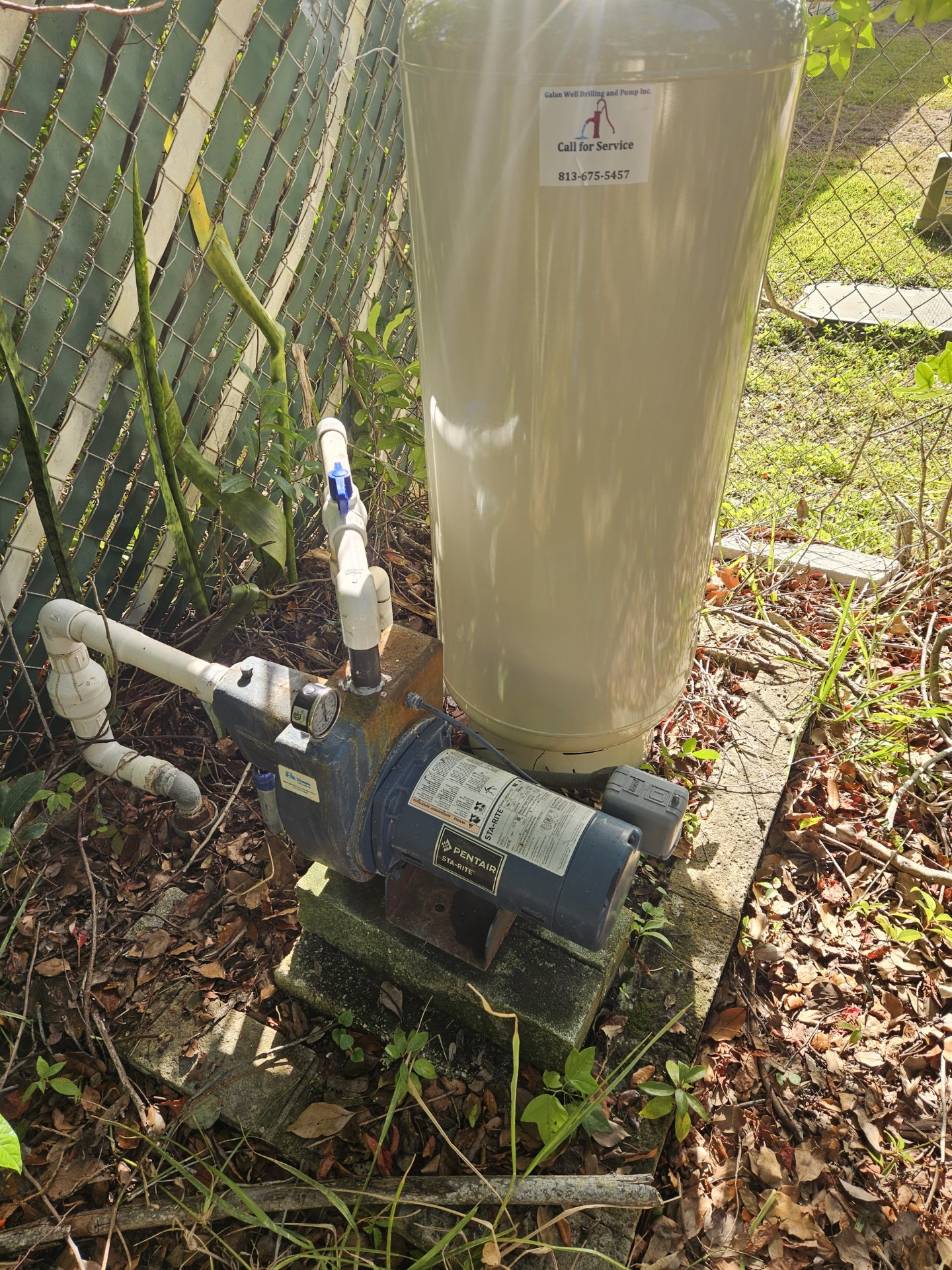
Once the well itself is established, the system needs a way to move water from the well to the property.
That’s the job of the well pump.
The appropriate pump configuration depends on the well and the requirements of the water system.
Pump selection shouldn’t be treated as an isolated decision based only on price or horsepower. The equipment needs to work with the characteristics of the well and the pressure and water demands of the property.
An improperly matched system can create performance problems even when the well itself is capable of supplying adequate water.
✅ Step 8: Setting Up the Pressure System
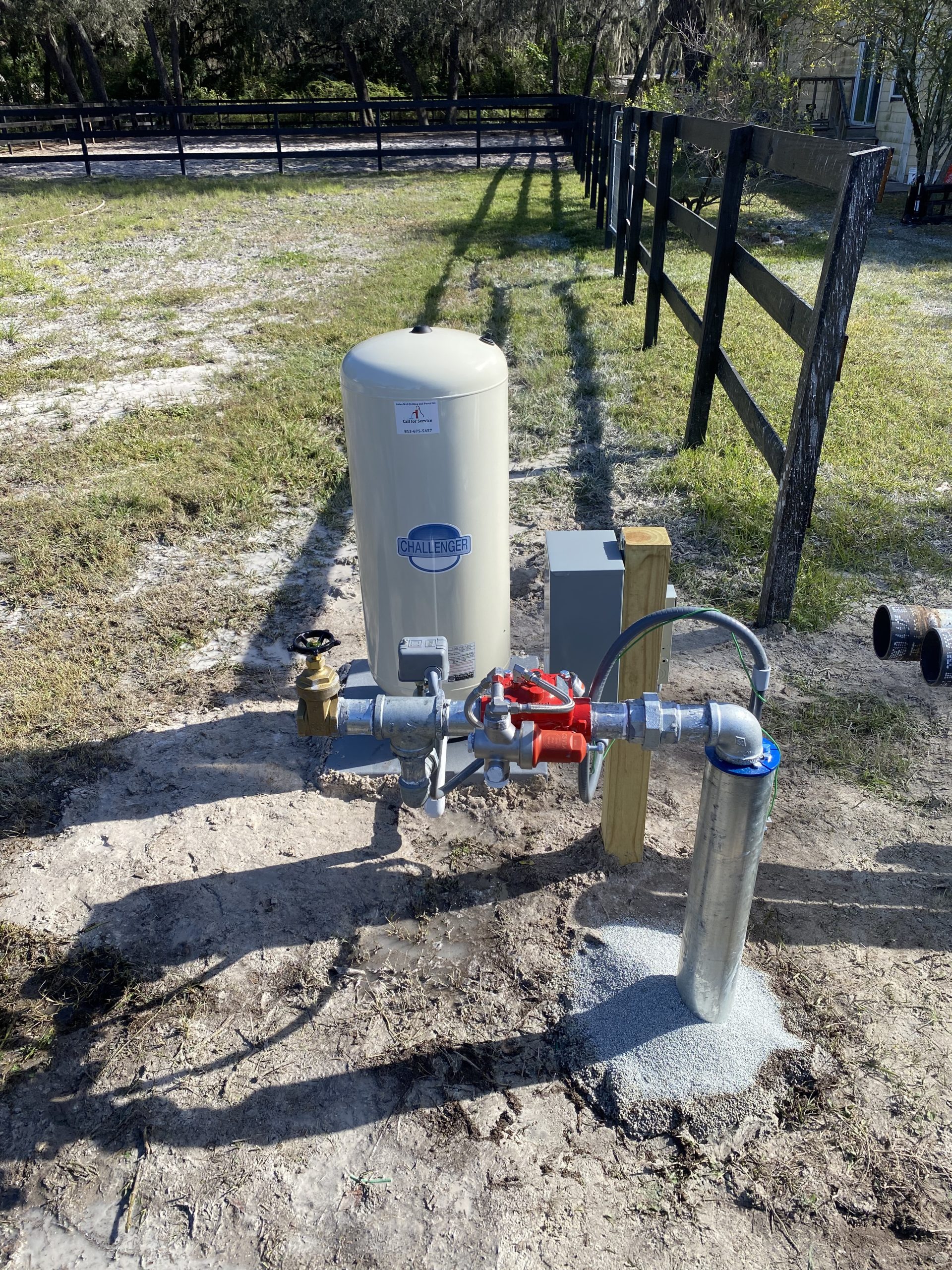
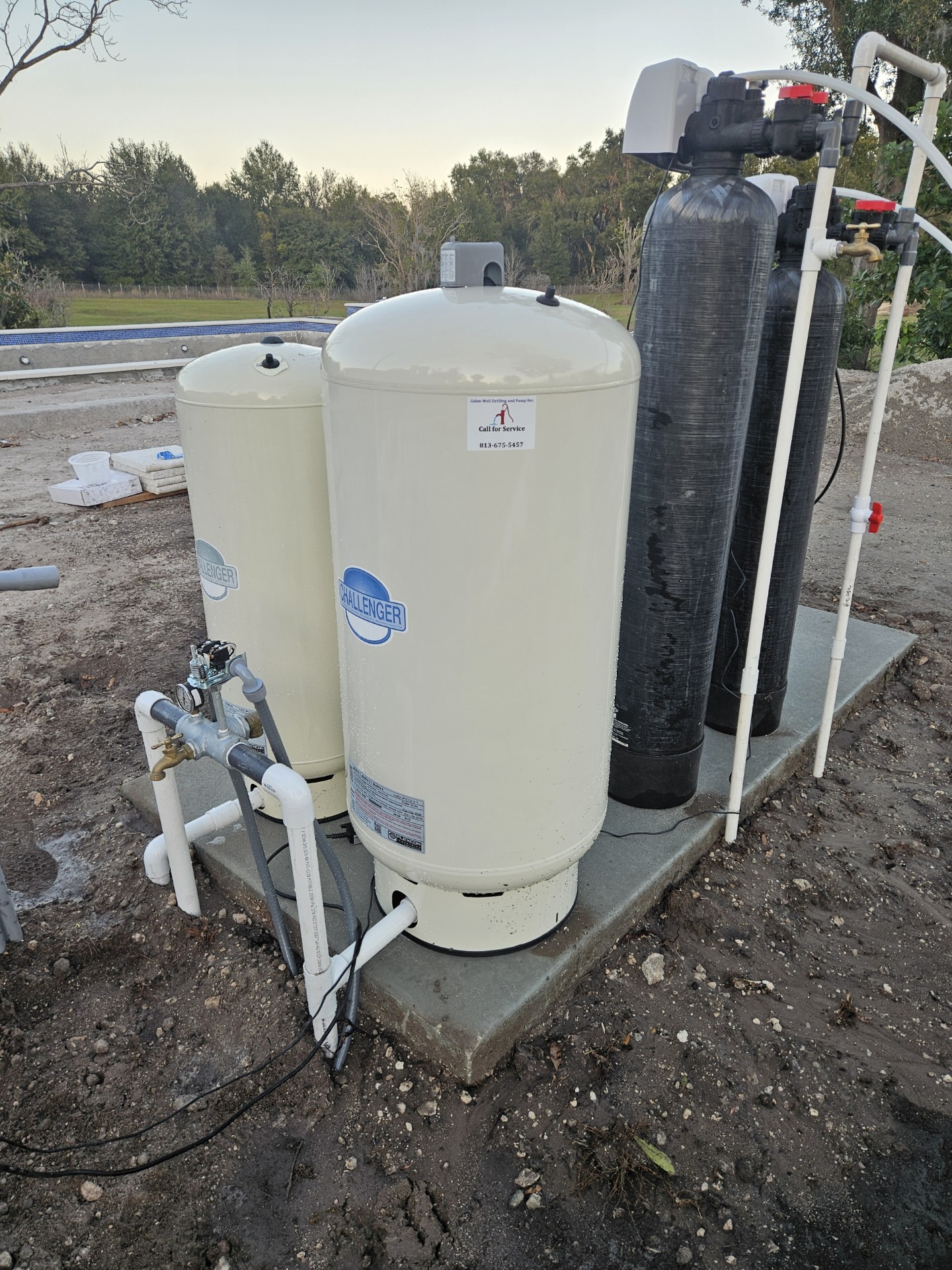
Most residential well systems also need equipment that manages water pressure and pump operation.
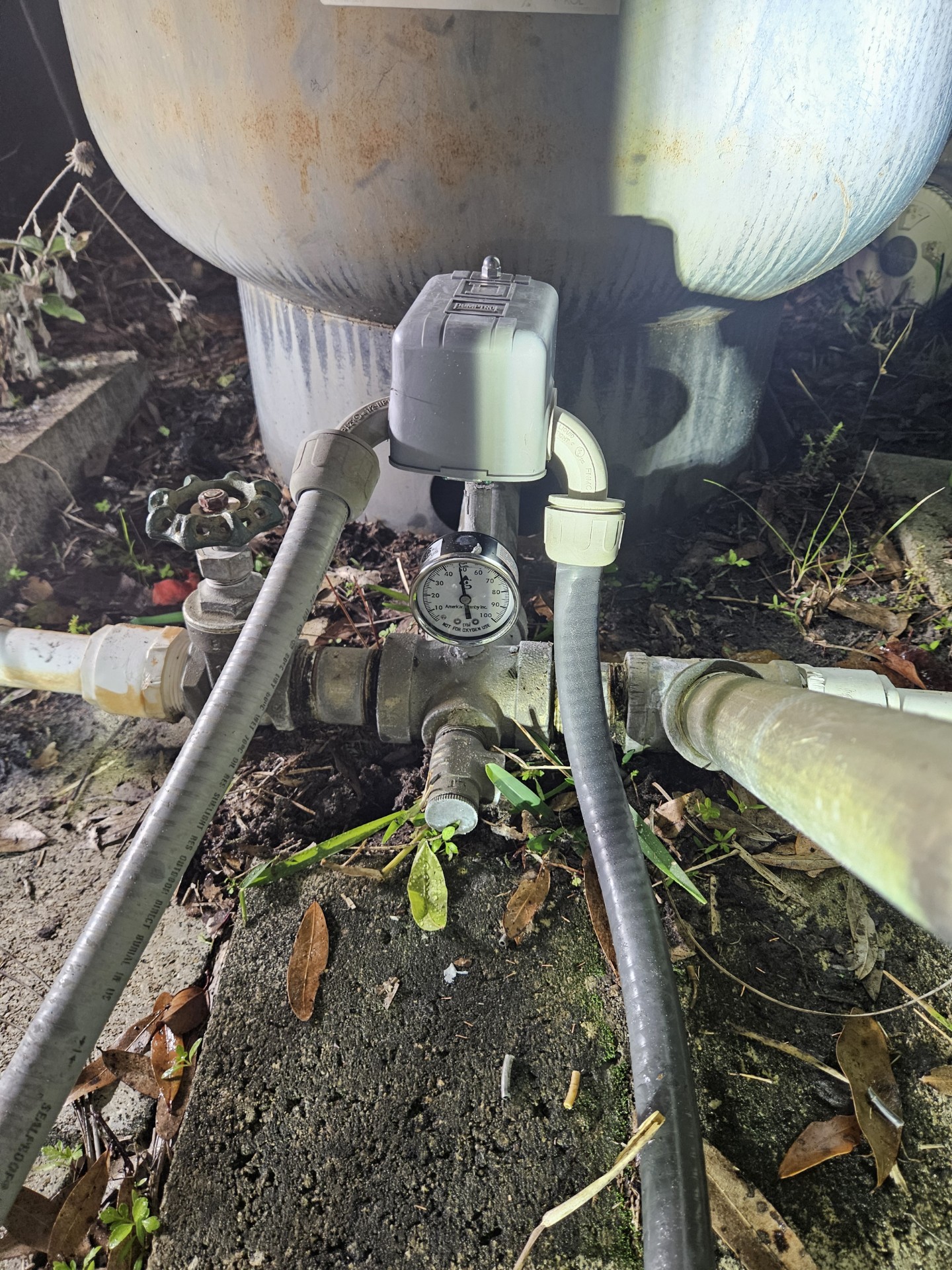
Depending on the system, this can include components such as:
- Pressure tank
- Pressure controls
- Pressure gauge
- Valves
- Piping
- Electrical controls
These components work together with the pump.
When water is used inside the home, the system needs to deliver appropriate pressure while controlling when the pump operates.
This is why a new well installation should be viewed as a complete water-delivery system, not simply a drilled well plus a pump.
✅ Step 9: Connecting the Well to the Property
Water must then travel from the well system to the location where it will be used.
The installation therefore includes the necessary water line and related connections between the well and the property’s plumbing system.
The specific configuration depends on the property.
Once connected, the contractor can evaluate how the complete system behaves under actual operating conditions.
✅ Step 10: Checking System Operation
Before considering the installation complete, the well and pumping system should operate as intended.
This means looking beyond the simple question:
“Does water come out of the faucet?”
A functioning system also needs to:
- Move water effectively
- Build appropriate pressure
- Respond correctly to water demand
- Start and stop as intended
- Maintain dependable water delivery
Problems identified at this stage can be investigated before the system enters normal household use.
How Long Does Water Well Installation Take?
There isn’t one reliable timeline that applies to every well.
The duration of a project can depend on:
- Site access
- Drilling conditions
- Required well depth
- Equipment installation
- Property-specific complications
- Required inspections or permitting processes
A straightforward project and a difficult drilling site shouldn’t be expected to follow identical schedules.
For homeowners, a realistic project-specific estimate is more useful than a generic promise.
How Deep Will My New Well Be?
This is one of the most common questions homeowners ask before drilling.
There isn’t a universal depth that applies to every property.
Well depth depends on the conditions encountered at the site and where an appropriate water supply can be established.
Nearby wells can sometimes provide useful context, but they don’t guarantee that a new well will encounter identical conditions.
The appropriate depth should therefore be based on the actual property and drilling conditions.
What Should You Ask Before Hiring a Well Drilling Contractor?
A good conversation before drilling can prevent misunderstandings later.
Consider asking:
- What is included in the proposed work?
- How will the drilling location be evaluated?
- What equipment access is required?
- What happens if drilling conditions differ from expectations?
- What pump and pressure equipment will be included?
- How will the completed system be evaluated?
- What should I expect around the drilling area?
- What information will I receive when the project is complete?
You should understand what is being installed rather than receiving only a price for “drilling a well.”
New Well Installation vs. Repairing an Existing Well
If your property already has a well that isn’t performing correctly, a completely new well may not necessarily be the first solution.
Symptoms such as low pressure, intermittent water, or complete water loss can also originate from:
- Pump problems
- Pressure-system failures
- Electrical issues
- Piping problems
- Changes in well performance
The existing system should be evaluated before assuming that drilling another well is necessary.
If the well itself can still provide an appropriate water supply, repairing the existing system may be the more appropriate approach.
If the well can no longer meet the property’s needs, then new well drilling becomes a different conversation.
✅ What Makes a Good Well Installation?
A successful installation isn’t defined only by reaching water.
It requires the pieces of the system to work together:
The well must provide water.
The pump must move it.
The pressure system must manage delivery.
The piping must carry it where it’s needed.
The controls must operate the equipment correctly.
Weakness in any one of those areas can affect the performance homeowners experience at the faucet.
That’s why treating the project as a complete system is so important.
Planning a New Water Well?
If you’re considering a new well, start with the property rather than trying to determine the equipment or well depth yourself.
Galan Well Drilling & Pump Inc. can evaluate the site, discuss the property’s water needs, and determine the appropriate approach for the well and pumping system.
The objective is not simply to drill until water appears. It’s to create a water system that works appropriately for the property.
Frequently Asked Questions
What happens first when drilling a new well?
The process begins with evaluating the property, intended water use, drilling access, and an appropriate location for the well before drilling equipment begins operating.
How deep does a residential water well need to be?
There is no single depth that applies to every property. The required depth depends on site-specific subsurface and groundwater conditions encountered during the project.
Does drilling a well include installing the pump?
A complete water-delivery system requires pumping and pressure equipment, but homeowners should confirm exactly what is included in a contractor’s proposal before work begins.
Can a contractor tell me exactly how deep my well will be before drilling?
Site information may help establish expectations, but actual drilling conditions ultimately determine the completed well depth.
Does finding groundwater mean the well is finished?
No. The well still needs to be properly constructed and integrated with the pumping, pressure, piping, and control components required to deliver water to the property.
Do I need a new well if my existing well stops producing water?
Not automatically. Pump, pressure, electrical, and piping problems can cause symptoms that resemble a failed well. The existing system should be evaluated before deciding that new well drilling is necessary.