When a private well stops providing reliable water, drilling a new well isn’t automatically the solution.
Many symptoms that appear to indicate a failing well can actually originate elsewhere in the system. A worn pump, pressure-system problem, damaged water line, electrical failure, or control issue can reduce or completely interrupt water service even when the well itself is still capable of providing water.
The first question shouldn’t be “Do I need a new well?”
It should be “What part of my existing water system is actually failing?”
✅ Start by Separating the Well From the Pump System
Homeowners often refer to everything involved in their private water supply as “the well.”
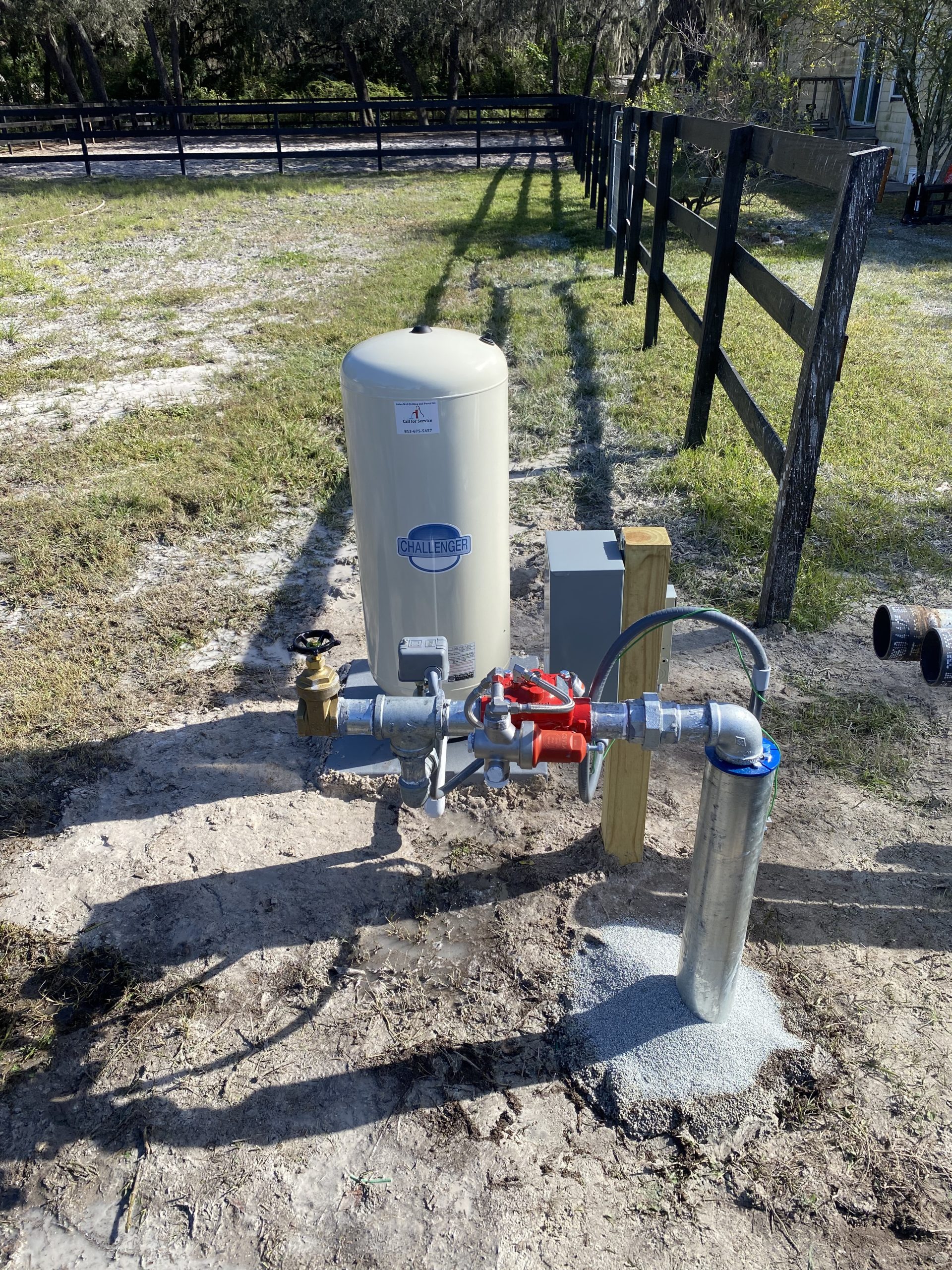
In reality, several components work together to deliver water to the house.
These can include:
- The well itself
- Well casing and related construction
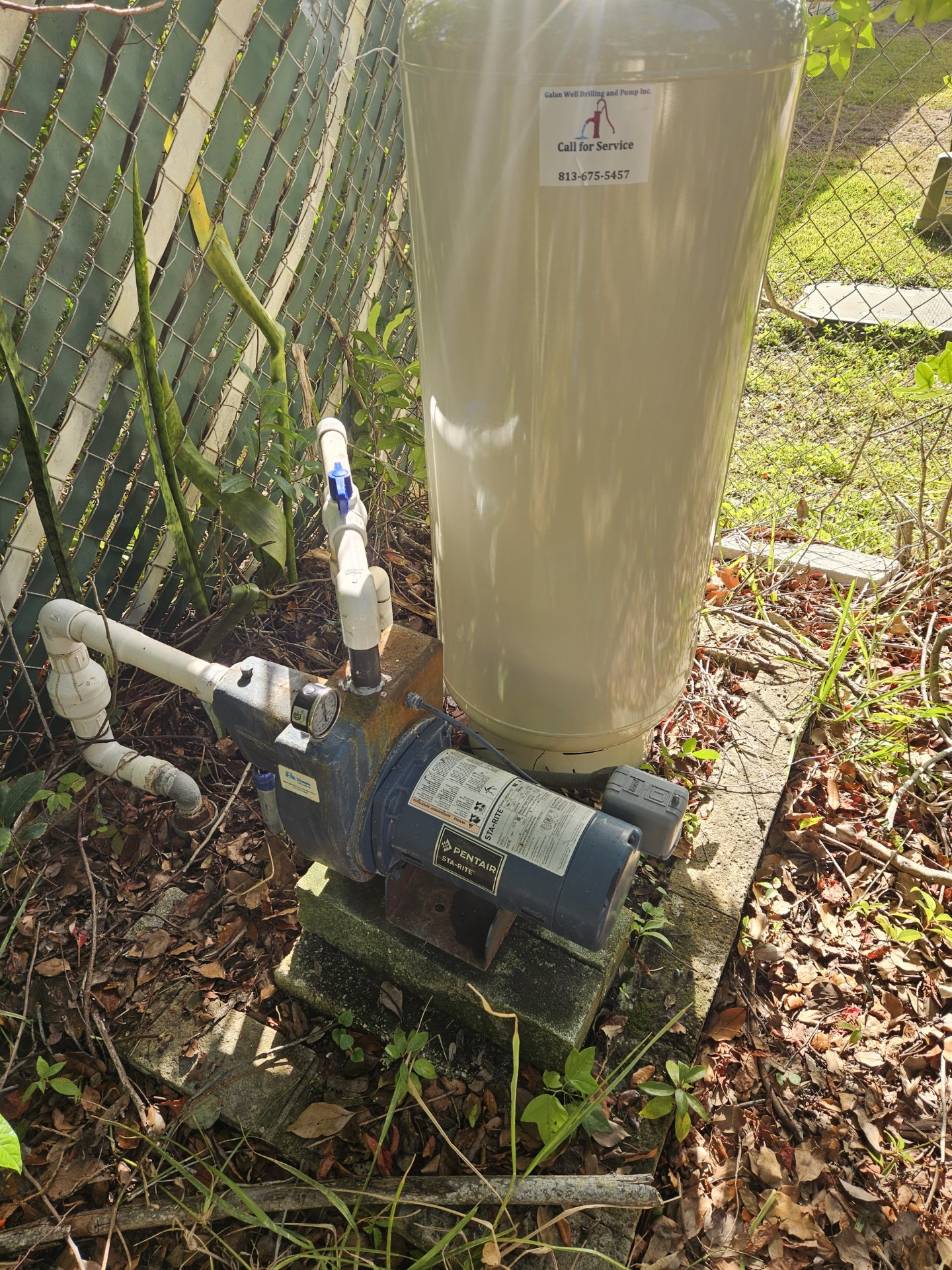
- Well pump
- Water lines
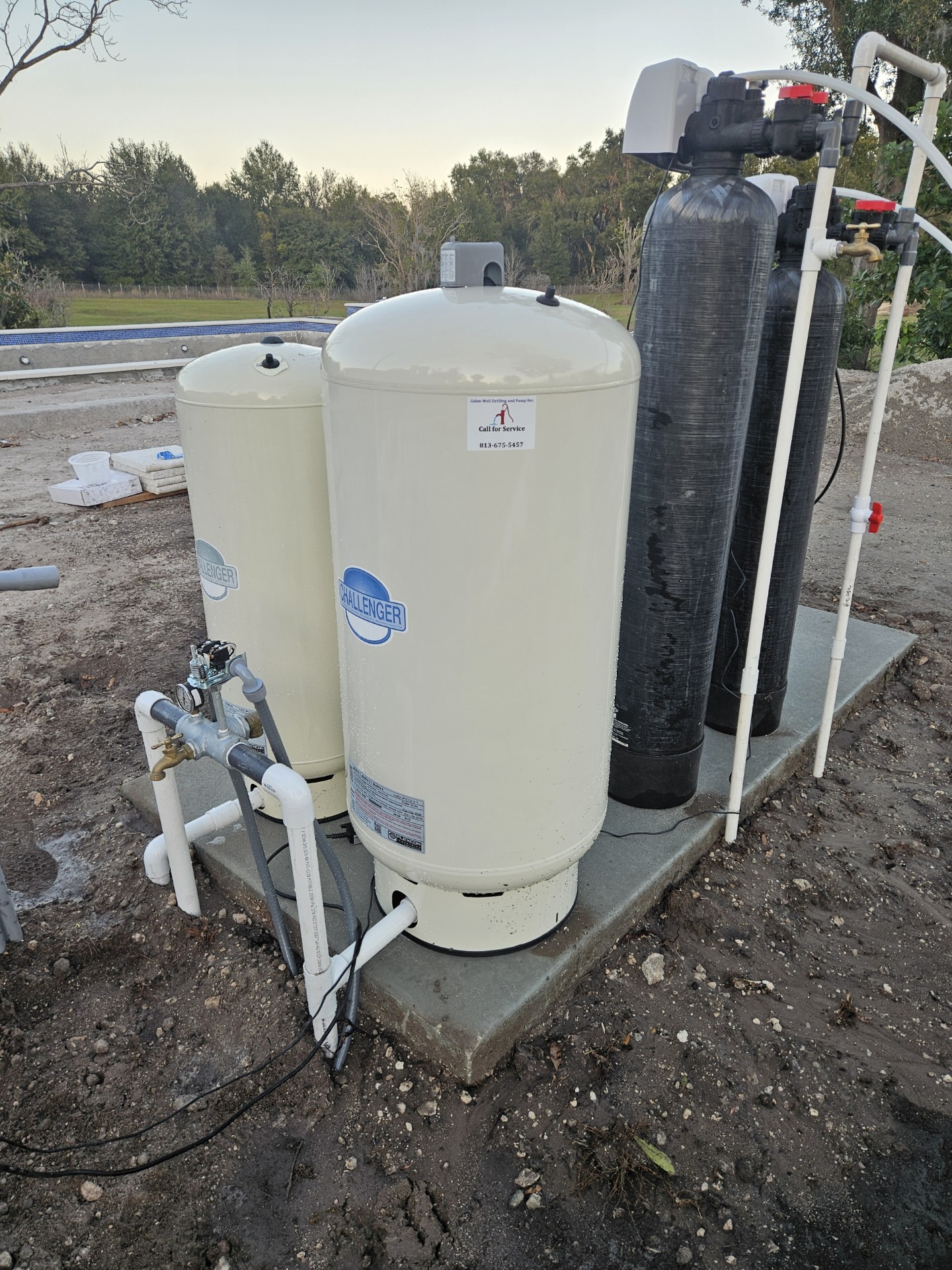
- Pressure tank
- Pressure switch or other controls
- Electrical components
A failure in any part of this chain can affect what happens at your faucets.
That distinction is critical when deciding between repair and new well drilling.
When Well Repair May Be the Right Direction
If the existing well can still provide an adequate water supply, repairing the equipment or another part of the system may restore normal operation.
Here are several situations where troubleshooting should come before assuming a new well is necessary.
1. Your Well Pump Has Failed
A failed pump can leave a home with no water even though water remains available in the well.
Pump problems can produce symptoms such as:
- No water
- Weak water pressure
- Intermittent water delivery
- Unusually long pump operation
- Failure to build normal pressure
If testing shows that the well has adequate water but the pump cannot deliver it properly, the solution may involve the pumping system rather than drilling a new well.
2. The Pressure System Isn’t Working Correctly
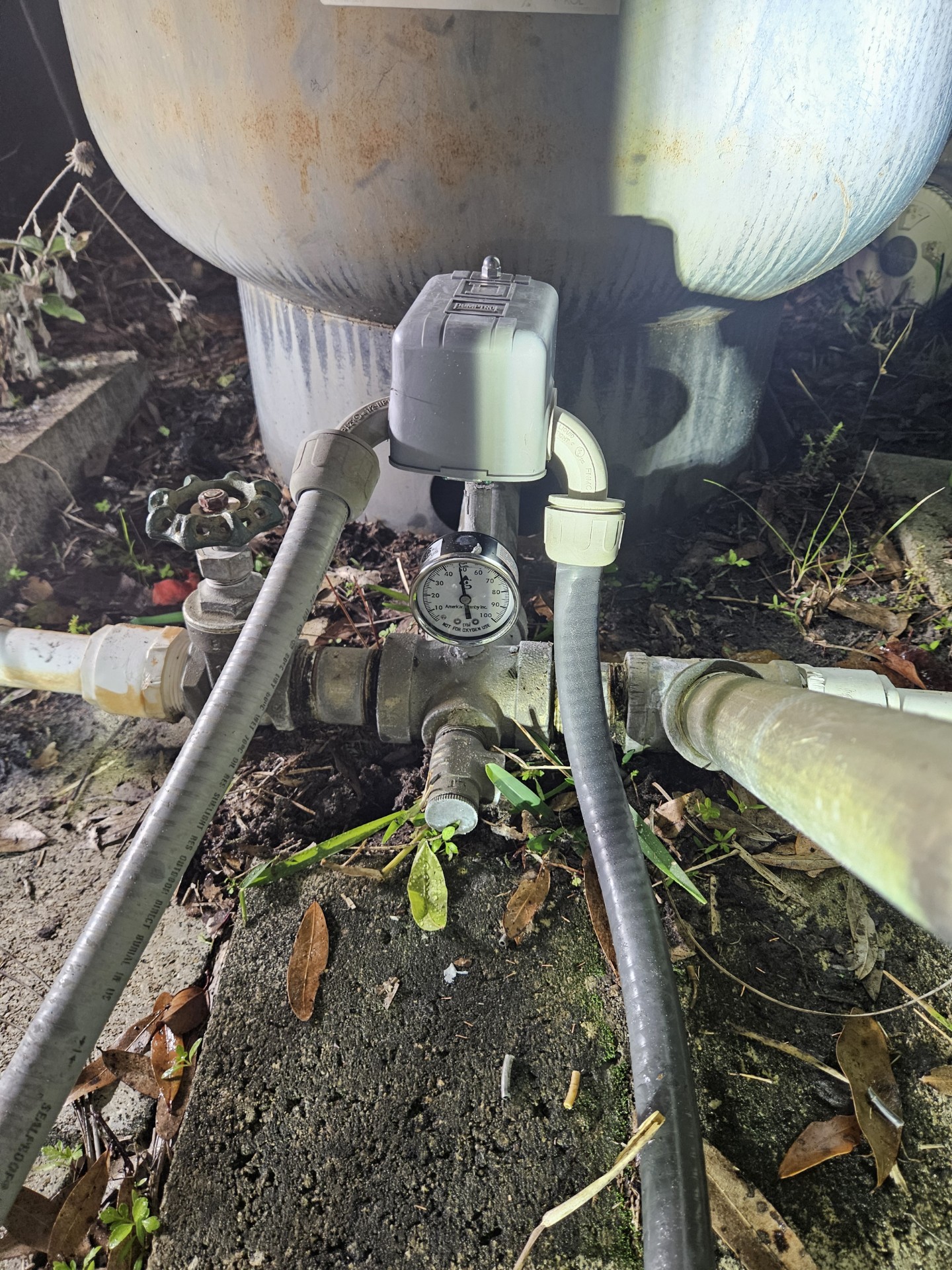
A private well system needs more than a functioning pump.
Pressure tanks and pressure controls help manage how water is delivered and when the pump operates.
Problems in this part of the system may cause:
- Pressure fluctuations
- Frequent pump cycling
- Poor water delivery
- Abnormal pump operation
These symptoms can make the entire well appear unreliable even when the water source itself isn’t the problem.
3. A Water Line Is Damaged
Water may be leaving the well but failing to reach the home efficiently.
A damaged or leaking line can cause:
- Reduced pressure
- Long pump run times
- Difficulty building system pressure
- Unexpected pump operation
Because some water lines are underground, the failure may not be immediately visible.
Drilling another well wouldn’t solve a leak in the existing distribution system.
4. An Electrical or Control Problem Is Preventing Pump Operation
Sometimes a no-water problem isn’t hydraulic at all.
The pump may not be receiving or responding to electrical power correctly.
Depending on the system, troubleshooting may involve evaluating electrical supply and pump controls before considering more extensive well work.
Electrical components should be handled appropriately rather than repeatedly resetting breakers or experimenting with energized equipment.
When Might New Well Drilling Need to Be Considered?
There are situations where the well itself becomes the focus rather than the equipment attached to it.
The decision should be based on an evaluation of the existing well—not simply on its age or one household symptom.
1. The Existing Well Can No Longer Provide an Adequate Water Supply
A well needs to provide enough water for the property’s intended use.
If evaluation shows that the existing well cannot reliably meet that demand, the options become different from those for a simple pump failure.
For example, a homeowner may experience water during light use but repeatedly lose adequate supply during sustained demand.
If the pump and other equipment are functioning correctly, the well’s ability to supply water becomes increasingly important to investigate.
2. The Existing Well Has a Significant Structural Problem
The physical condition of the well matters.
Problems involving the well structure may require a different response than replacing a pump or pressure component.
Whether an existing well can be repaired depends on the nature of the problem, its construction, and what an on-site evaluation reveals.
3. The Property’s Water Requirements Have Changed
A well system should be considered in relation to what the property actually needs.
If water demand changes substantially, an existing system may need to be evaluated to determine whether it remains appropriate.
That doesn’t automatically mean another well must be drilled.
It means the current well and pumping system need to be compared with the property’s present water requirements.
4. Repairing Equipment Won’t Correct the Underlying Well Problem
Replacing components makes sense when those components are actually responsible for the failure.
It makes much less sense to repeatedly replace pumps, pressure equipment, or controls when the underlying issue involves the well itself.
Good diagnosis should prevent this cycle.
New Well vs. Repair: A Simple Way to Think About It
The decision can be simplified into two separate questions.
Question 1: Can the existing well provide the water the property needs?
If yes, investigate whether the pump, pressure equipment, controls, or piping are preventing that water from being delivered properly.
If no, the well itself requires further evaluation.
Question 2: Can the existing well problem reasonably be corrected?
If the well itself has a significant problem, the contractor needs to determine whether an appropriate repair is possible or whether new well drilling should be considered.
This approach is far more reliable than making the decision from one symptom.
Symptoms That Don’t Automatically Mean You Need a New Well
Several common problems can make homeowners fear that their well has failed permanently.
No water
Could involve the pump, electrical system, controls, piping, or water availability.
Low water pressure
Could involve the pump, pressure system, household plumbing, water lines, or well performance.
Air from faucets
Could involve water availability, pump operation, piping, or loss of prime on applicable systems.
Pump running constantly
Could involve a leak, reduced pump performance, pressure controls, piping, or inadequate water supply.
Pump short cycling
Often directs troubleshooting toward the pressure system and controls rather than immediately toward new well drilling.
The symptom tells you where to begin investigating, not necessarily what needs to be replaced.
✅ Why Diagnosis Before Drilling Can Save You From the Wrong Repair
Consider two homes with no water.
At the first property, the well has adequate water but the pump has failed.
At the second property, the pump is operational but the well isn’t providing enough water.
The homeowner experiences the same result:
Nothing comes from the faucet.
But the appropriate solutions are completely different.
Replacing the first home’s pump may restore water.
Installing the same pump at the second property may accomplish nothing.
That’s why diagnosing the relationship between the well, pump, pressure system, and water demand should come before deciding what work is needed.
Should You Keep Repairing an Older Well System?
Age alone shouldn’t make the decision.
Instead, consider what is failing and how the overall system is performing.
An older well with a repairable equipment problem isn’t necessarily a candidate for replacement.
At the same time, repeatedly spending money on equipment without investigating an underlying well problem can become expensive without solving the cause.
The important question is not:
“How old is the system?”
It is:
“What is failing, and will this repair actually correct it?”
What Should Be Evaluated Before Drilling a New Well?
Before concluding that a new well is necessary, it may be appropriate to evaluate:
- Existing well performance
- Water availability
- Pump operation
- Ability to build and maintain pressure
- Pressure equipment
- Electrical controls
- Water lines and accessible connections
- Property water requirements
Not every situation requires every diagnostic step. The symptoms and system configuration determine where evaluation should begin.
What Happens If a New Well Is the Better Option?
If the existing well can’t reasonably provide the required water supply or its condition makes replacement the appropriate path, the project shifts from repair to new well planning.
That means evaluating:
- The property
- An appropriate drilling location
- Equipment access
- Expected water demand
- Well construction
- Pump requirements
- Pressure-system requirements
- Connection to the property
A new well should be planned as a complete water-delivery system rather than simply as a new hole in the ground.
✅ Repair What Needs Repairing—Not What You Assume Is Broken
When a well system develops problems, the most expensive option isn’t necessarily the best one.
Neither is the cheapest immediate repair.
The goal is to identify the failure accurately and choose the solution that addresses its cause.
If the existing well is capable of supplying water, repairing the pump or related equipment may be appropriate.
If the well itself can no longer meet the property’s needs, continuing to replace equipment may not solve the problem.
Galan Well Drilling & Pump Inc. can evaluate the existing well and pumping system to determine whether the problem calls for well repair, pump service, or consideration of a new water well.
Frequently Asked Questions
How do I know if I need a new well or just a new pump?
The well’s ability to provide water needs to be separated from the pump’s ability to deliver it. If adequate water is available but the pump isn’t moving it correctly, the pumping system may be the problem.
Does no water mean my well has failed?
No. Pump failures, electrical problems, pressure-system issues, piping problems, and inadequate water availability can all result in no water at the faucets.
Is low water pressure a reason to drill a new well?
Not by itself. Low pressure can originate from several parts of the water-delivery system and should be diagnosed before well drilling is considered.
Can an existing water well be repaired?
Some well problems may be repairable, while others may make a different solution more appropriate. The answer depends on the construction and condition of the existing well and the nature of the problem.
Should I replace an old well just because of its age?
Age alone doesn’t establish that a well needs replacement. Its condition, water-producing ability, system performance, and the nature of any current problems are more useful factors.
Should the existing well be inspected before drilling a new one?
If an existing well is present, evaluating why it isn’t meeting the property’s needs can help determine whether repair, pump work, or new well drilling is the appropriate solution.