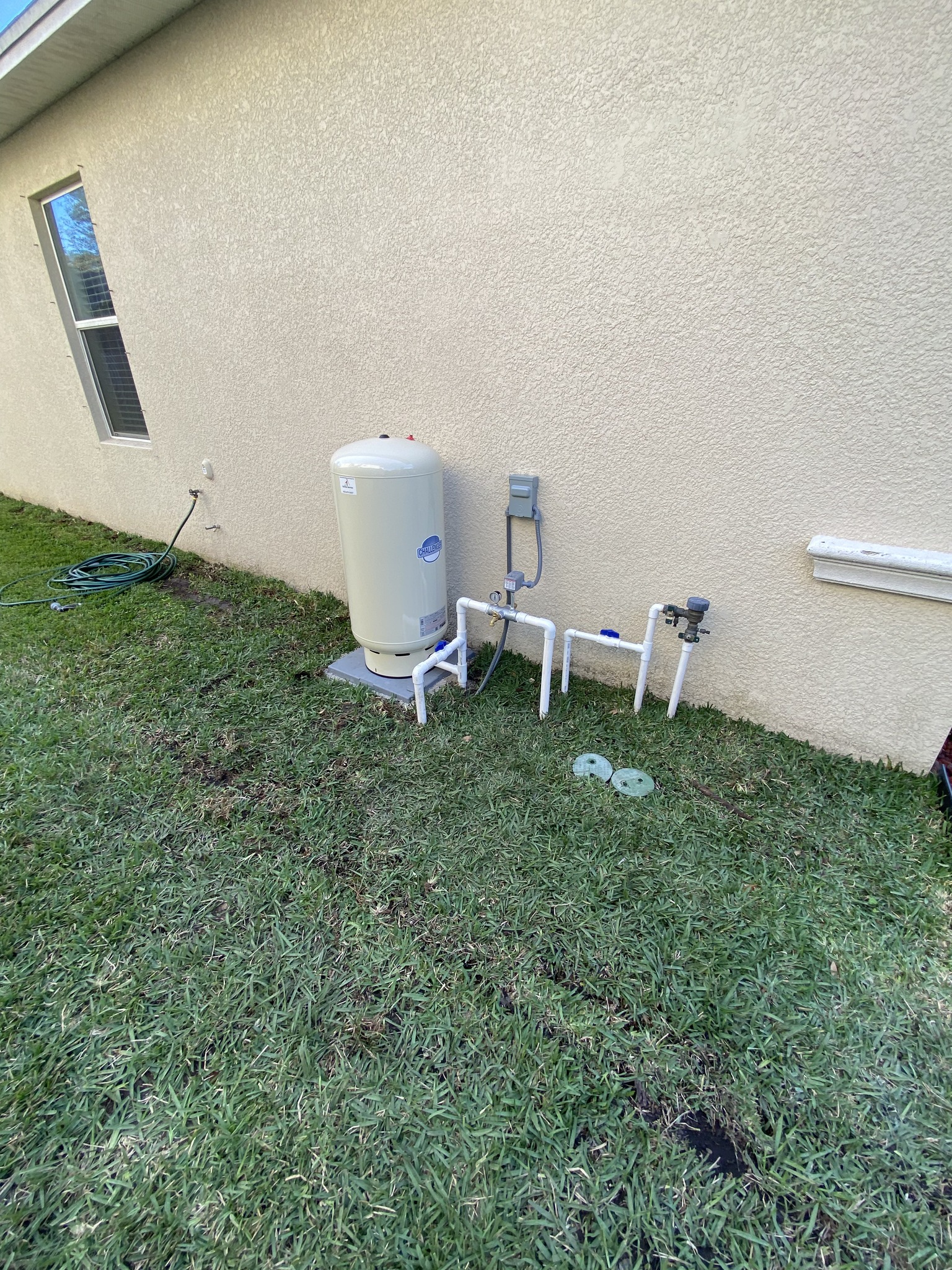
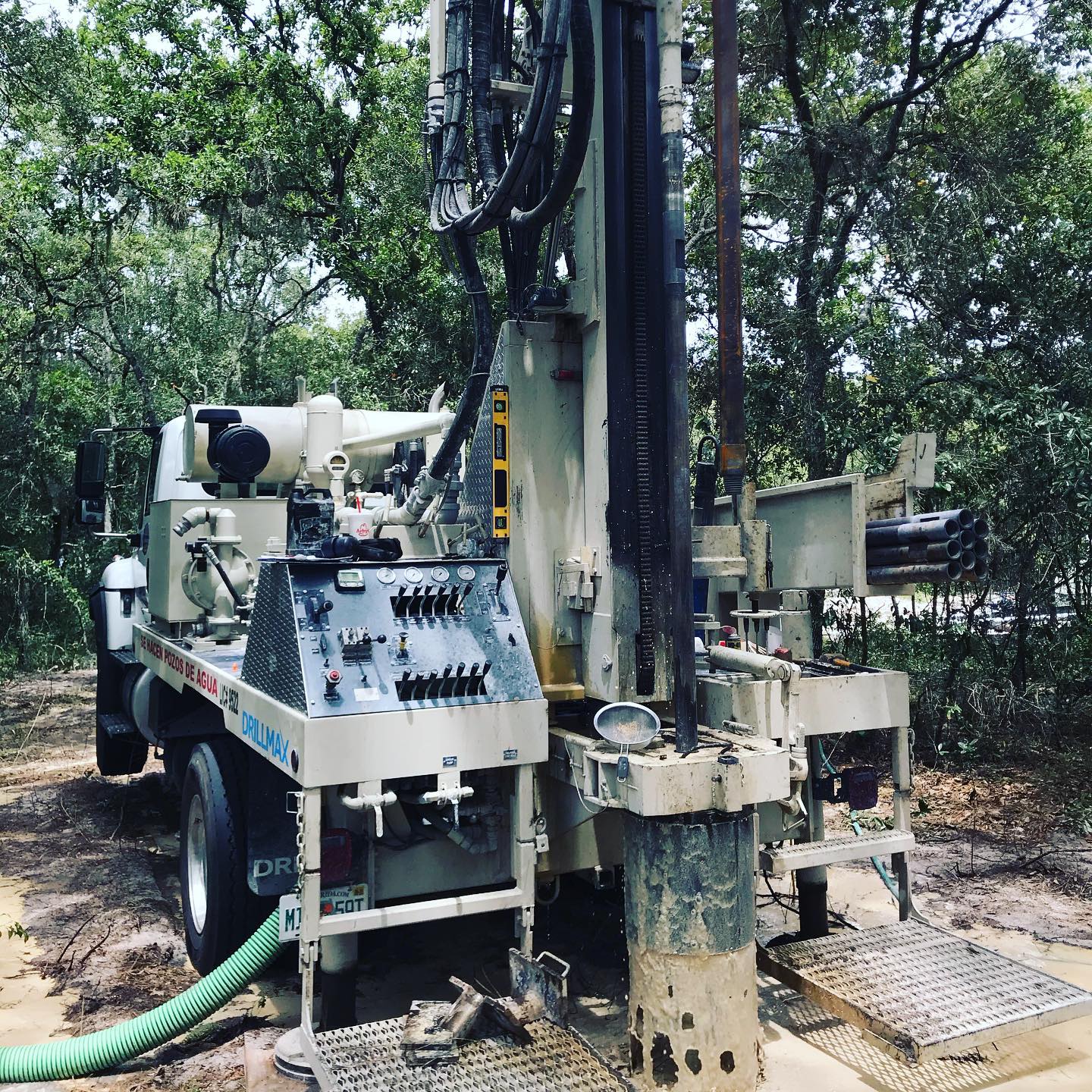
A rotten egg smell coming from your faucet is one of the most common water quality concerns for homeowners with private wells. The odor is unpleasant, can make water difficult to use, and often raises questions about whether the water is safe.
In many cases, the smell is caused by naturally occurring hydrogen sulfide gas or sulfur-related bacteria. Less commonly, it may be linked to a water heater or another part of the plumbing system. Identifying where the odor originates is the first step toward solving the problem.
✅ What Causes the Rotten Egg Smell?
The characteristic sulfur odor usually comes from hydrogen sulfide gas, a naturally occurring gas that can dissolve into groundwater.
Hydrogen sulfide may develop when:
- Organic matter breaks down underground
- Sulfur-reducing bacteria are present
- Groundwater naturally contains sulfur compounds
Even small amounts can produce a noticeable odor.
While the smell is unpleasant, the source should be identified before deciding on treatment or repairs.
✅ Does the Smell Come From Every Faucet?
One of the easiest ways to narrow down the cause is to determine where the odor occurs.
Ask yourself:
- Does the smell come from every faucet?
- Is it only noticeable in hot water?
- Is it stronger after the water has been sitting unused?
- Does it affect both indoor and outdoor faucets?
These observations can help determine whether the issue involves the well, the plumbing system, or the water heater.
✅ Could the Water Heater Be Responsible?
If the odor only occurs when using hot water, the water heater may be contributing to the problem.
Some water heaters contain components that can react with naturally occurring sulfates in the water, creating hydrogen sulfide gas.
If only hot water has the odor, inspecting the water heater is often an appropriate first step.
✅ Sulfur Bacteria in a Well
Sulfur-reducing bacteria naturally occur in some groundwater environments.
These bacteria are not the same as disease-causing bacteria, but they can produce hydrogen sulfide as they grow.
Possible signs include:
- Rotten egg odor
- Slime buildup around plumbing fixtures
- Black stains
- Persistent sulfur smell after periods of low water use
A water test can help determine whether bacteria are contributing to the problem.
✅ Is Rotten Egg Smelling Water Safe?
An unpleasant odor does not automatically mean the water is unsafe.
However, smell alone cannot determine water quality.
If your well water suddenly develops an odor or changes in appearance, consider scheduling water testing to evaluate:
- Bacteria
- Mineral content
- pH
- Other water quality characteristics
Testing provides a clearer picture of what is affecting your water and whether treatment is needed.
✅ Other Signs That May Point to a Well System Issue
A sulfur smell accompanied by other symptoms could indicate a broader well system problem.
Watch for:
- Low water pressure
- Cloudy water
- Sand or sediment
- Rust-colored water
- Frequent pump cycling
- Air coming from faucets
These symptoms may suggest the need for a complete well system inspection rather than water treatment alone.
✅ Can Heavy Rain Affect Well Water?
Significant rainfall can temporarily change groundwater conditions around some wells.
After storms, homeowners may notice changes such as:
- Different odors
- Cloudy water
- Increased sediment
If changes persist after the weather improves, the well should be inspected to determine whether additional action is necessary.
✅ How Is the Cause Diagnosed?
Because several different issues can create similar odors, identifying the source is important before choosing a solution.
A professional evaluation may include:
- Reviewing where the odor occurs
- Inspecting the well system
- Evaluating the pressure tank and pump
- Water quality testing
- Checking plumbing components
- Inspecting the water heater if needed
Proper diagnosis helps avoid unnecessary repairs or treatment equipment.
✅ Can the Problem Be Prevented?
Some causes of sulfur odors are naturally occurring and cannot be completely prevented.
However, routine maintenance can help identify developing issues early.
Recommended practices include:
- Annual well inspections
- Regular water quality testing
- Inspecting the well cap
- Replacing water filters as recommended
- Addressing changes in water quality promptly
Regular maintenance helps ensure your well continues to provide dependable water for your household.
✅ When Should You Call a Professional?
It’s a good idea to schedule an inspection if:
- The odor appears suddenly
- The smell continues to worsen
- Multiple faucets are affected
- Water quality changes along with the odor
- You notice pressure or pump problems at the same time
Ignoring persistent water quality changes can make it more difficult to identify the original cause.
✅ Protect Your Water Quality
Your private well is a valuable part of your home, and changes in water smell should never be ignored. While a rotten egg odor is often linked to naturally occurring sulfur compounds, it can also point to conditions that deserve professional evaluation.
At Galan Well Drilling & Pump Inc., we help homeowners throughout the Tampa Bay area diagnose well water problems, inspect well systems, and recommend practical solutions based on the condition of the water and the equipment.
✅ Frequently Asked Questions
Why does my well water smell like rotten eggs?
The most common cause is hydrogen sulfide gas, which may occur naturally in groundwater or be produced by sulfur-related bacteria.
Is rotten egg-smelling water dangerous?
Not necessarily, but odor alone cannot determine water safety. Water testing is the best way to evaluate overall water quality.
Why does only my hot water smell?
If the odor only occurs with hot water, the water heater may be contributing to the problem rather than the well itself.
Can sulfur bacteria damage my well?
Sulfur bacteria primarily affect water quality and odor, but they can also contribute to slime buildup within parts of the system.
Should I test my well water if it suddenly smells different?
Yes. Any sudden change in odor, taste, or appearance is a good reason to schedule water testing and a well system inspection.
How often should private well water be tested?
Routine testing is recommended at least annually, with additional testing whenever noticeable changes in water quality occur.
Service Areas
Galan Well Drilling & Pump Inc. provides well inspections, water quality evaluations, well pump repair, pressure tank service, and complete well system solutions for homeowners throughout the Tampa Bay area. Whether you’re dealing with unusual water odors or other well-related concerns, our team can help identify the cause and recommend the appropriate solution.