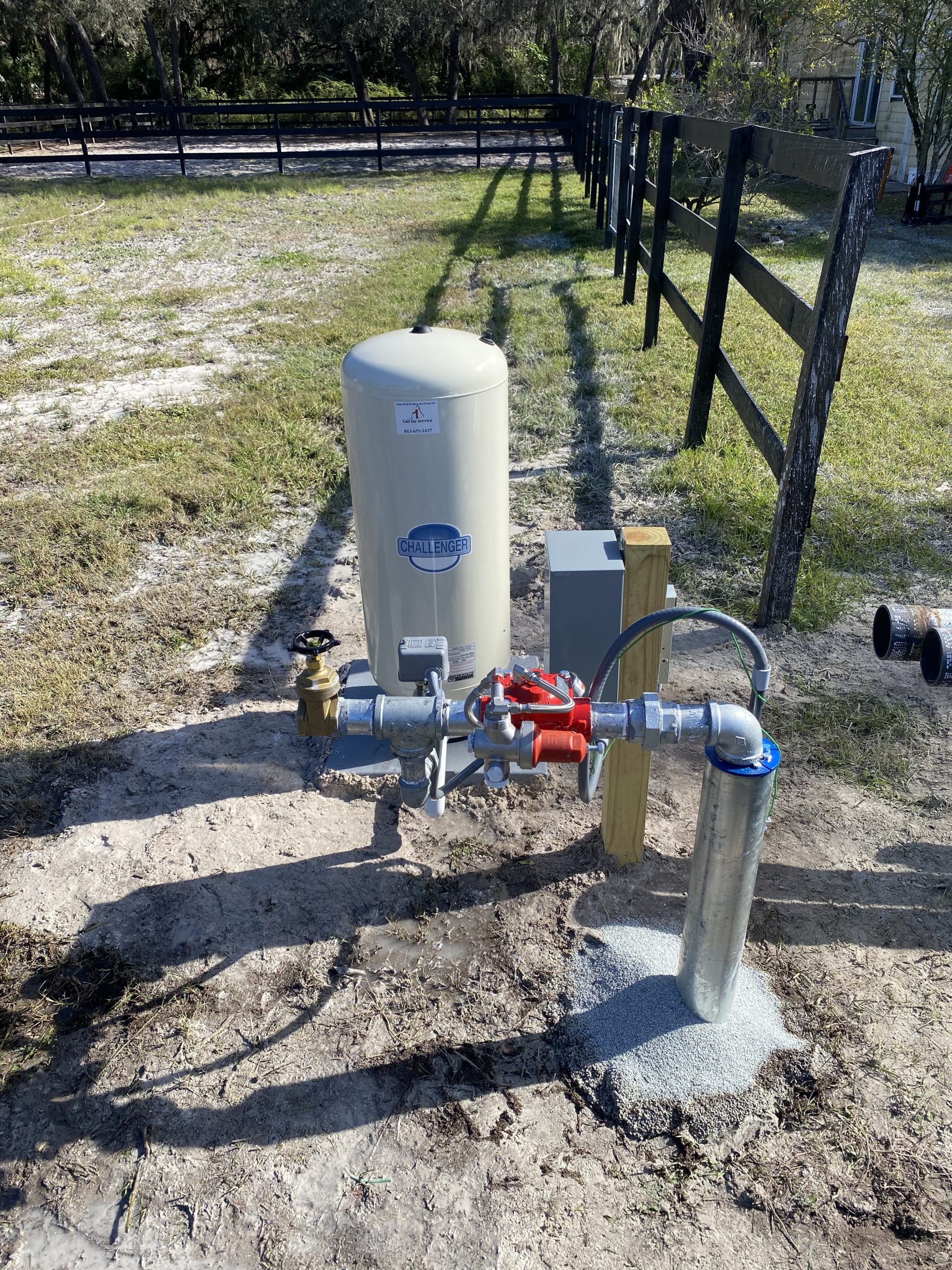
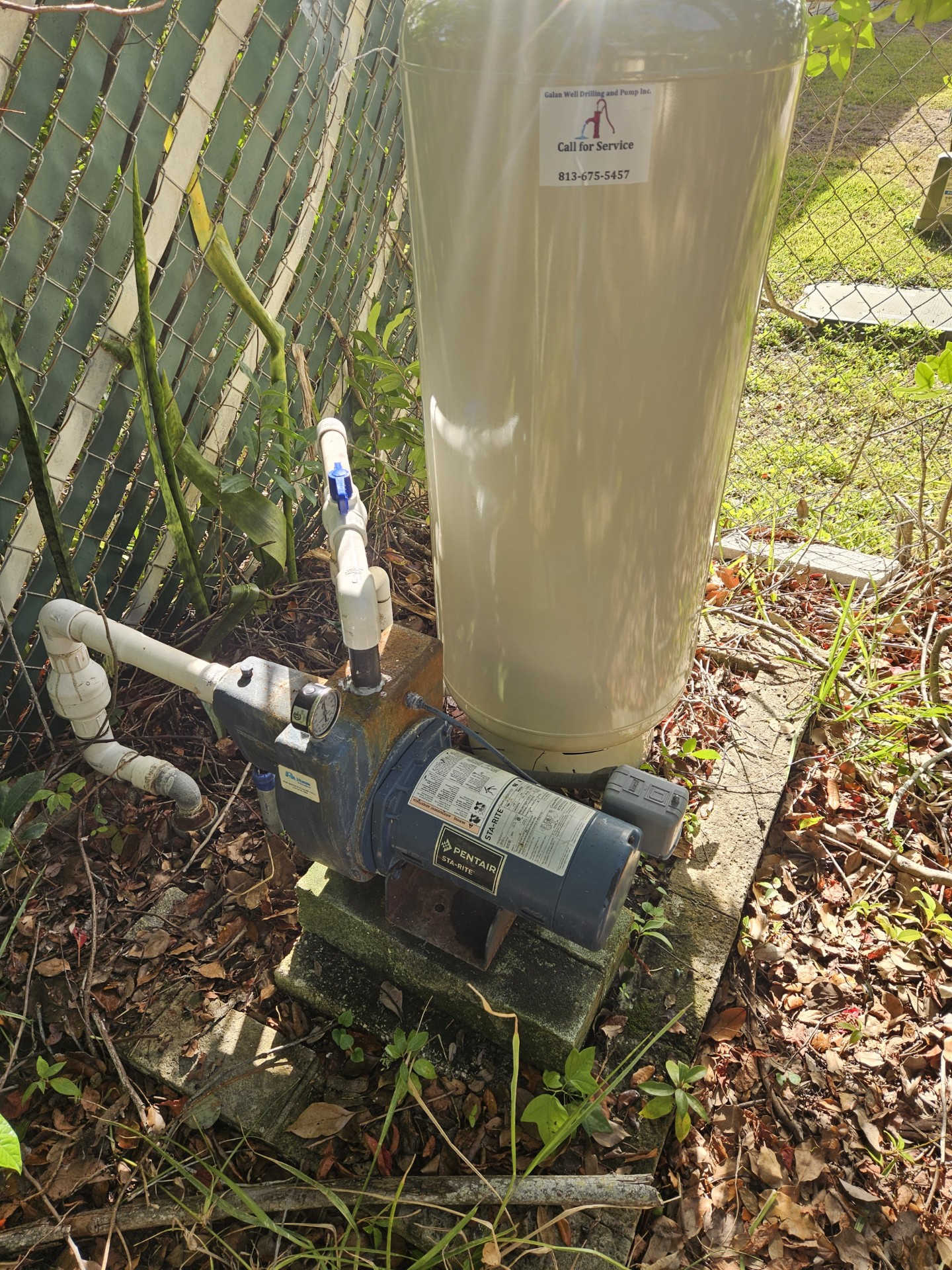
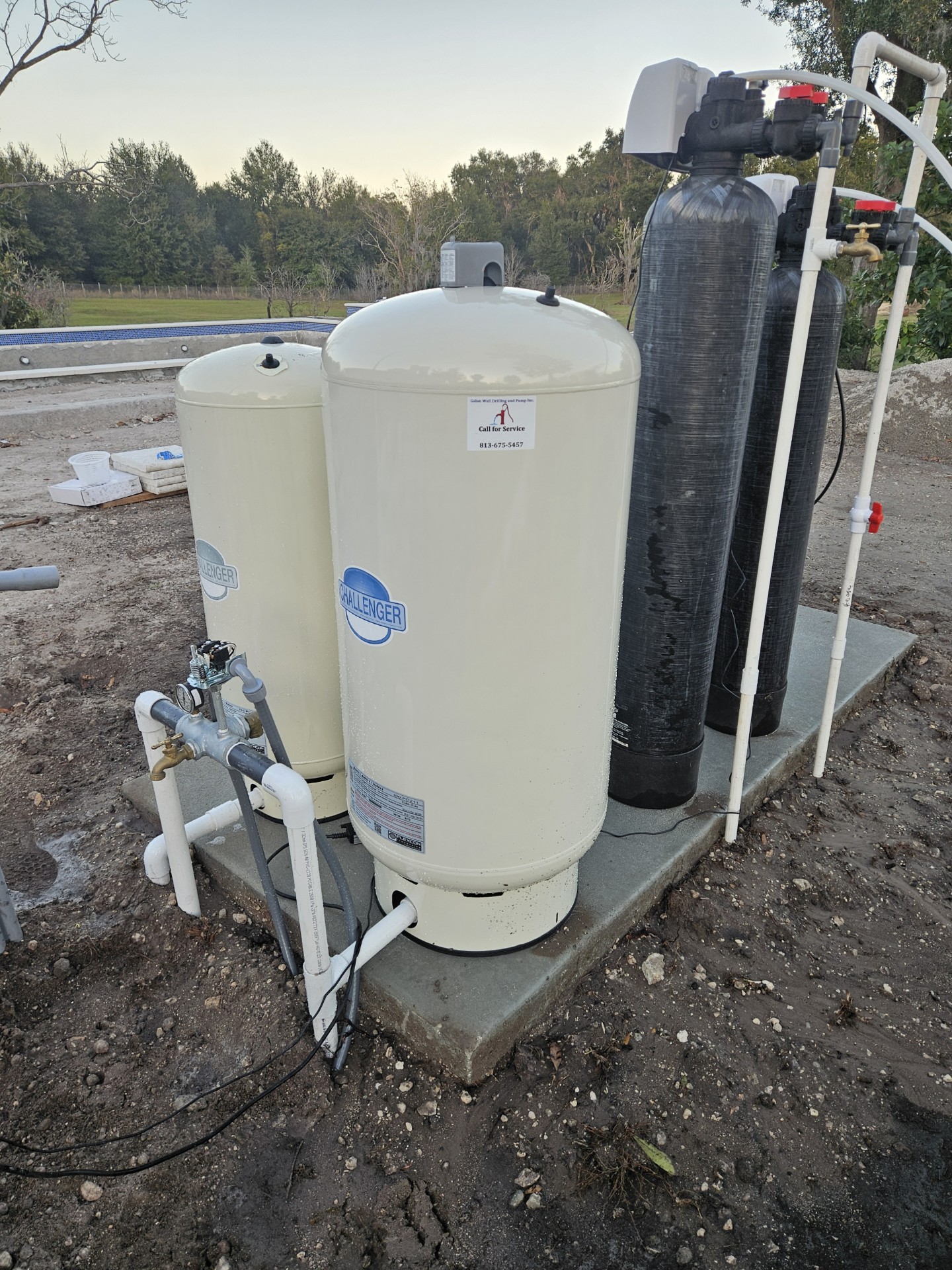
Many homeowners assume the well pump is responsible whenever water pressure problems occur. In reality, the pressure tank plays an equally important role in your well system. When a pressure tank begins to fail, it can cause fluctuating water pressure, increased utility costs, unnecessary wear on your pump, and even complete system failure.
Recognizing the warning signs early can help you avoid costly repairs and extend the life of your entire well system.
✅ What Does a Well Pressure Tank Do?
A pressure tank stores water under pressure and helps regulate water flow throughout your home.
Without a properly functioning pressure tank, the well pump would need to start every time a faucet, toilet, shower, or appliance uses water. The tank reduces pump cycling and provides a steady supply of pressurized water when needed.
A healthy pressure tank helps:
✅ Maintain consistent water pressure
✅ Reduce wear on the well pump
✅ Lower energy consumption
✅ Improve system efficiency
✅ Extend equipment lifespan
When the tank begins to fail, every component of the well system can be affected.
✅ Water Pressure Fluctuates Throughout the Day
One of the first signs of a failing pressure tank is inconsistent water pressure.
You may notice:
- Strong pressure that suddenly weakens
- Pressure surges while showering
- Water flow that changes unexpectedly
- Faucets sputtering during use
These symptoms often indicate the tank is no longer maintaining proper air pressure inside the system.
✅ The Well Pump Turns On and Off Frequently
Short cycling is among the most common indicators of pressure tank failure.
A healthy pressure tank allows water to be used without immediately activating the pump. When the tank loses its air charge or becomes waterlogged, the pump must turn on repeatedly.
Signs of short cycling include:
- Pump activating every few seconds
- Frequent clicking sounds
- Constant starting and stopping
- Increased electrical usage
Short cycling places tremendous stress on pump motors and can significantly reduce pump life.
✅ Higher Electric Bills Without Explanation
Many homeowners are surprised to learn that a failing pressure tank can increase utility costs.
When the tank is no longer functioning efficiently, the pump operates more frequently than necessary. Over time, this extra workload increases electricity consumption.
If your electric bill has risen while water usage remains unchanged, the pressure tank may deserve inspection.
✅ Strange Noises Coming From the Tank
Pressure tanks generally operate quietly.
Unusual sounds can indicate internal problems.
Listen for:
- Clicking
- Popping
- Banging
- Humming
- Vibrations
These noises may suggest damaged internal components or improper pressure levels inside the tank.
✅ Waterlogged Pressure Tanks
A waterlogged tank is one of the most common reasons homeowners require replacement.
Inside most modern tanks is a bladder that separates water from compressed air. If this bladder fails, the tank can fill entirely with water.
Common symptoms include:
- Severe pressure fluctuations
- Rapid pump cycling
- Heavy tank weight
- Reduced water delivery
Once the internal bladder fails, replacement is often the most practical solution.
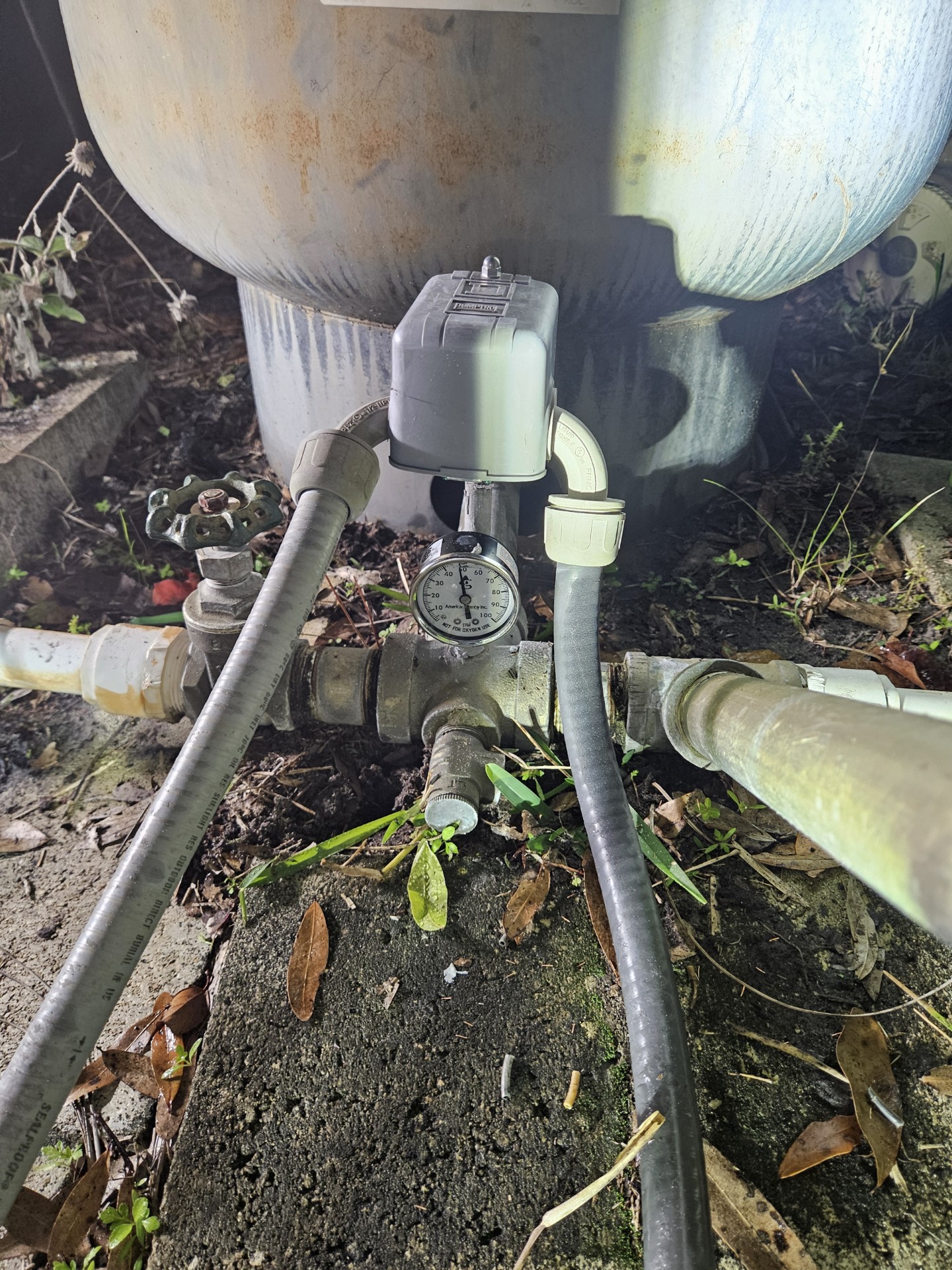
✅ Rust and Corrosion Around the Tank
Florida’s humid environment can accelerate corrosion over time.
Visible rust on the exterior of the tank may indicate:
- Condensation issues
- Tank deterioration
- Internal corrosion
- Potential leaks
Small rust spots can quickly develop into larger structural problems that compromise system performance.
✅ Water Around the Base of the Tank
A leaking pressure tank should never be ignored.
Even small leaks can indicate significant internal deterioration.
Watch for:
- Damp flooring
- Puddles around the tank
- Water stains
- Corrosion near fittings
Leaks generally worsen over time and can eventually result in complete tank failure.
✅ Your Well Pump Is Failing More Often
Many pump failures actually begin with pressure tank problems.
When a tank loses efficiency, the pump must work harder to maintain household demand. This additional workload accelerates wear on motors, pressure switches, and electrical components.
Replacing a failing tank early can often prevent a much more expensive pump replacement later.
✅ How Long Do Pressure Tanks Typically Last?
Most well pressure tanks last between 8 and 15 years.
Several factors influence lifespan:
- Water quality
- Installation quality
- Frequency of use
- Maintenance practices
- Environmental conditions
Florida homeowners may experience shorter lifespans due to humidity, mineral content, and heavy system usage.
✅ Repair or Replace?
Not every pressure tank problem requires replacement.
Some issues can be corrected through:
- Air pressure adjustments
- Pressure switch repairs
- Valve replacements
- Minor plumbing repairs
However, replacement is often recommended when:
- The bladder has failed
- The tank is severely corroded
- The tank leaks
- Repeated repairs become necessary
A professional inspection can determine the most cost-effective solution.
✅ Protect Your Entire Well System
A pressure tank is much more than a storage vessel. It helps regulate the performance of your entire well system.
Ignoring warning signs can lead to:
- Pump burnout
- Higher utility bills
- Water pressure issues
- Emergency repairs
- Unexpected water outages
Routine inspections and timely replacements help homeowners avoid these costly disruptions while maintaining dependable water service.
✅ Keep Your Water System Running Smoothly
For Florida homeowners who rely on well water, a healthy pressure tank is essential for consistent performance. If you’ve noticed pressure fluctuations, short cycling, leaks, or unusual noises, it’s worth having the system evaluated before a minor issue becomes a major repair.
A properly functioning pressure tank helps protect your pump, improve efficiency, and ensure reliable water pressure throughout your home.
✅ Frequently Asked Questions
How do I know if my pressure tank is bad?
Common signs include fluctuating water pressure, rapid pump cycling, leaks, rust, unusual noises, and increasing electric bills.
Can a pressure tank be repaired?
Some issues can be repaired, but tanks with failed internal bladders, severe corrosion, or leaks often require replacement.
How long should a pressure tank last?
Most pressure tanks last between 8 and 15 years, depending on maintenance, water quality, and usage.
What happens if I ignore a failing pressure tank?
Ignoring the problem can lead to excessive pump wear, higher utility costs, reduced water pressure, and eventual system failure.
Can a bad pressure tank damage my well pump?
Yes. Frequent pump cycling caused by a failing tank is one of the leading causes of premature well pump failure.
Is pressure tank replacement expensive?
Costs vary based on tank size, system design, and installation requirements. Replacing a failing tank early is often less expensive than replacing both the tank and pump later.