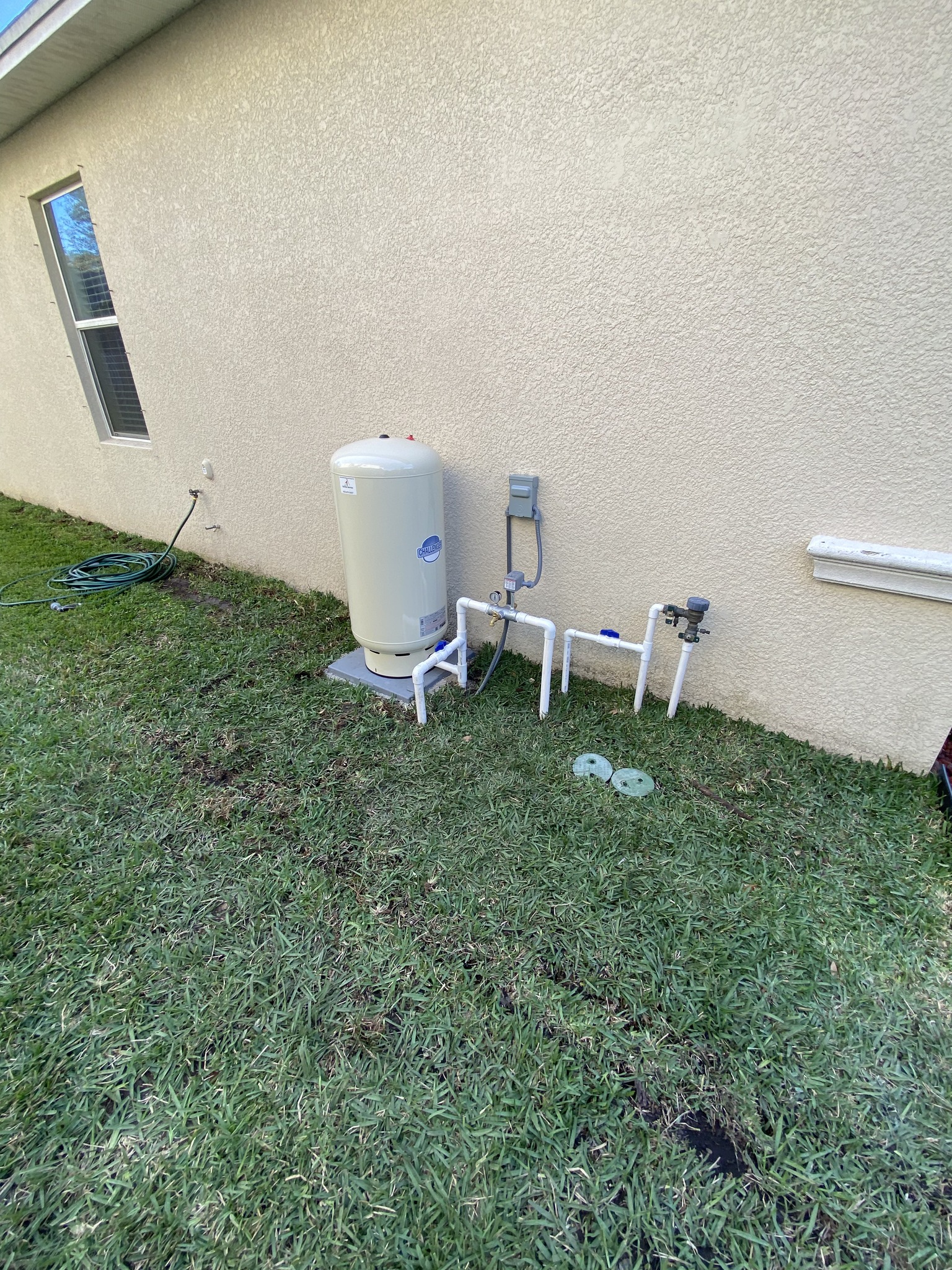
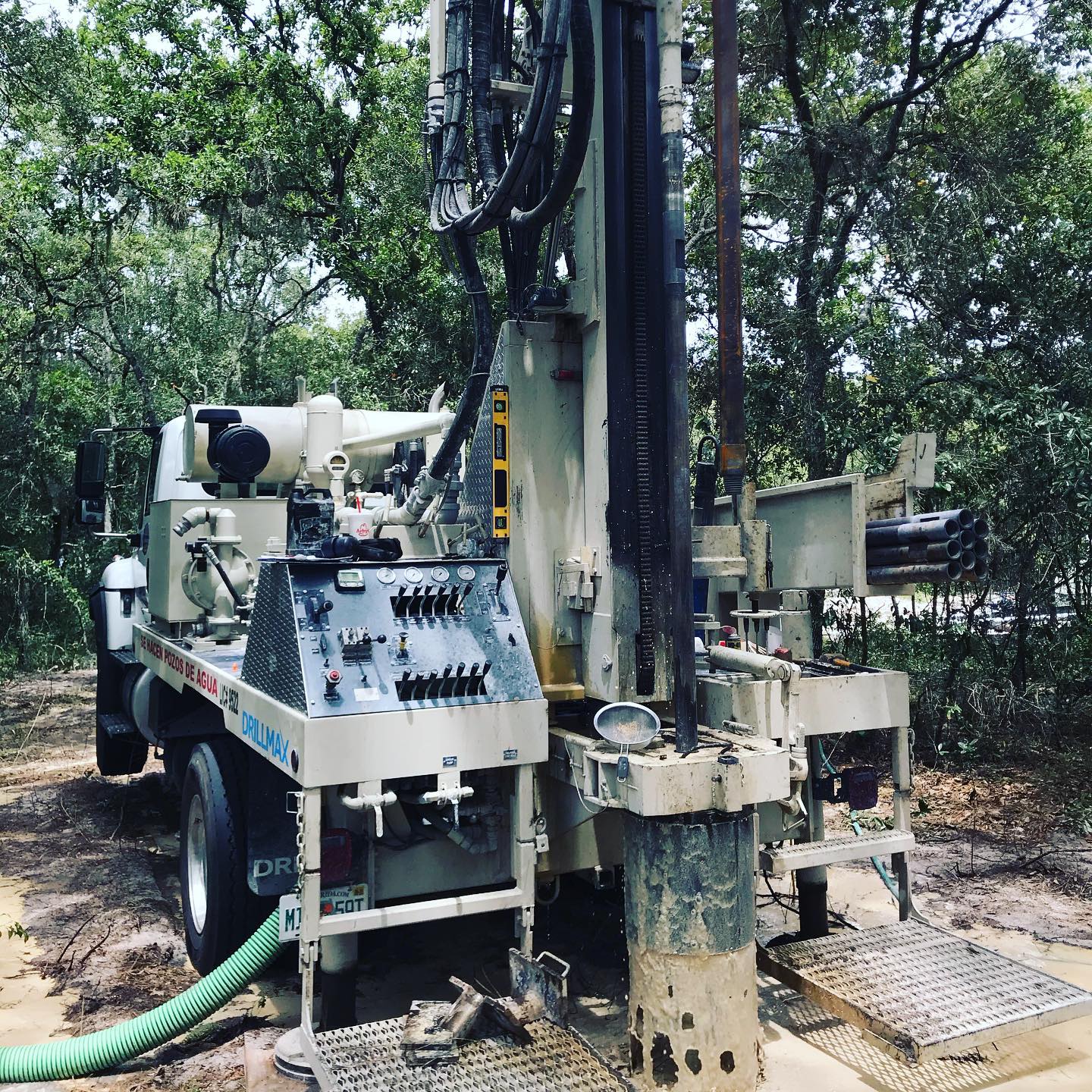
Heavy rain can temporarily affect private well systems, but the impact depends on factors such as the condition of the well, surrounding drainage, and local groundwater conditions. While many wells continue operating normally after a storm, changes in water quality or system performance should never be ignored.
If you’ve noticed cloudy water, unusual odors, sediment, or changes in water pressure after significant rainfall, it’s worth taking a closer look at your well system.
✅ Can Rainwater Get Into a Well?
A properly constructed and maintained well is designed to help keep surface water out.
However, problems can occur if:
- The well cap is damaged or missing
- The casing has deteriorated
- Floodwater reaches the wellhead
- Drainage around the well directs water toward the casing
Surface water can carry sediment, organic material, and other contaminants, making it important to inspect the system if flooding occurs near the well.
✅ Common Changes You May Notice After Heavy Rain
Not every change indicates a major problem, but it’s important to pay attention if your water suddenly looks or behaves differently.
Possible symptoms include:
- Cloudy water
- Increased sediment
- Changes in taste
- Unusual odors
- Lower water pressure
- Air coming from faucets
If these changes persist after the weather clears, your well should be evaluated.
✅ Why Water May Become Cloudy
Cloudy water after heavy rainfall is often caused by suspended sediment entering the water supply or changes in groundwater movement.
Depending on the cause, the water may clear on its own or continue to appear cloudy.
Persistent cloudiness should be investigated rather than assumed to be temporary.
✅ Can Heavy Rain Damage a Well Pump?
Rain itself usually doesn’t damage a well pump.
However, storms can contribute to problems such as:
- Electrical outages
- Lightning-related electrical damage
- Flooding around above-ground equipment
- Water intrusion into electrical components
If your pump stops working immediately after a storm, electrical components should be inspected before assuming the pump has failed.
✅ What If Your Water Pressure Changes?
Changes in water pressure following severe weather don’t always mean the rainfall is directly responsible.
Low pressure may indicate:
- Electrical problems
- Pressure switch issues
- Pressure tank concerns
- Pump problems
- Another issue within the well system
If pressure doesn’t return to normal after power has been restored, professional diagnostics are recommended.
✅ Is It Safe to Drink Well Water After Flooding?
If floodwater has reached your wellhead, it’s wise to treat the situation seriously.
Flooding can introduce materials that don’t normally enter a properly protected well.
A professional inspection and appropriate water testing can help determine whether the water remains suitable for household use.
✅ How to Protect Your Well During Storm Season
While you can’t control the weather, you can reduce the likelihood of storm-related well problems by maintaining your system.
Helpful steps include:
- Inspect the well cap regularly
- Keep the area around the well free of debris
- Ensure drainage directs water away from the well
- Schedule routine well inspections
- Address damaged components promptly
Preventive maintenance helps reduce the risk of water quality issues after major storms.
✅ Signs Your Well Needs Immediate Attention
Contact a well professional if you notice:
- Water that remains cloudy for an extended period
- Significant sediment in the water
- A sudden loss of water pressure
- No water at all
- Floodwater surrounding the wellhead
- Unusual noises from the well equipment
Prompt evaluation can help identify problems before they lead to more extensive repairs.
✅ Should You Test Your Water After Heavy Rain?
If your well has been exposed to flooding or you’ve noticed changes in water quality, water testing is a practical next step.
Testing can help identify changes that aren’t visible to the eye and provide a clearer understanding of your water’s condition.
If your water appears, smells, or tastes different after a storm, don’t rely on appearance alone to determine whether everything is normal.
✅ Routine Maintenance Makes a Difference
Regular inspections help identify developing issues long before severe weather puts additional stress on your well system.
An annual inspection can include:
- Evaluating pump performance
- Inspecting the pressure tank
- Checking electrical components
- Looking for visible damage
- Reviewing the condition of the wellhead
These inspections provide valuable information about the overall health of your well system and may help reduce the likelihood of unexpected problems.
✅ Keep Your Well Ready for Florida’s Rainy Season
Heavy rain doesn’t automatically mean your well has a problem, but changes in water quality or system performance deserve attention. Monitoring your well after major storms and scheduling inspections when needed can help protect your water supply and your equipment.
If you’ve experienced water quality concerns, pressure changes, or storm-related well issues, Galan Well Drilling & Pump Inc. provides well inspections, pump diagnostics, pressure tank service, and complete well system repairs throughout the Tampa Bay area.
✅ Frequently Asked Questions
Can heavy rain make well water cloudy?
Yes. Heavy rainfall can contribute to temporary changes in groundwater conditions or introduce sediment if the well has been compromised.
Should I use my well water after flooding?
If floodwater reached the wellhead, it’s advisable to have the system inspected and the water tested before assuming it is suitable for normal household use.
Can storms damage a well pump?
Storms may affect electrical components through power outages or lightning, but rain itself does not typically damage the pump.
Why did my water pressure drop after a storm?
The cause may involve electrical issues, pressure tank problems, pressure switch failure, or another component of the well system rather than the rain itself.
How can I protect my well from heavy rain?
Maintaining a secure well cap, ensuring proper drainage, and scheduling routine inspections can help reduce the risk of storm-related problems.
When should I call a well professional after heavy rain?
If you notice persistent cloudy water, unusual odors, sediment, reduced water pressure, flooding around the wellhead, or a complete loss of water, it’s a good idea to schedule an inspection.
Service Areas
Galan Well Drilling & Pump Inc. proudly serves homeowners throughout the Tampa Bay area with professional well inspections, well pump repair, pressure tank replacement, water quality evaluations, and complete well system services. Whether you’re dealing with storm-related concerns or routine maintenance, our team is here to help keep your well operating safely and reliably.