A private well is a major investment, but unlike many household systems, it doesn’t come with automatic reminders for maintenance. Because most well equipment is out of sight, small problems can go unnoticed until they affect your water supply.
Routine well inspections help identify developing issues before they become expensive repairs. They also provide an opportunity to evaluate water quality, equipment performance, and the overall condition of your well system.
✅ Why Are Well Inspections Important?
A well inspection is about more than checking whether water comes out of the faucet.
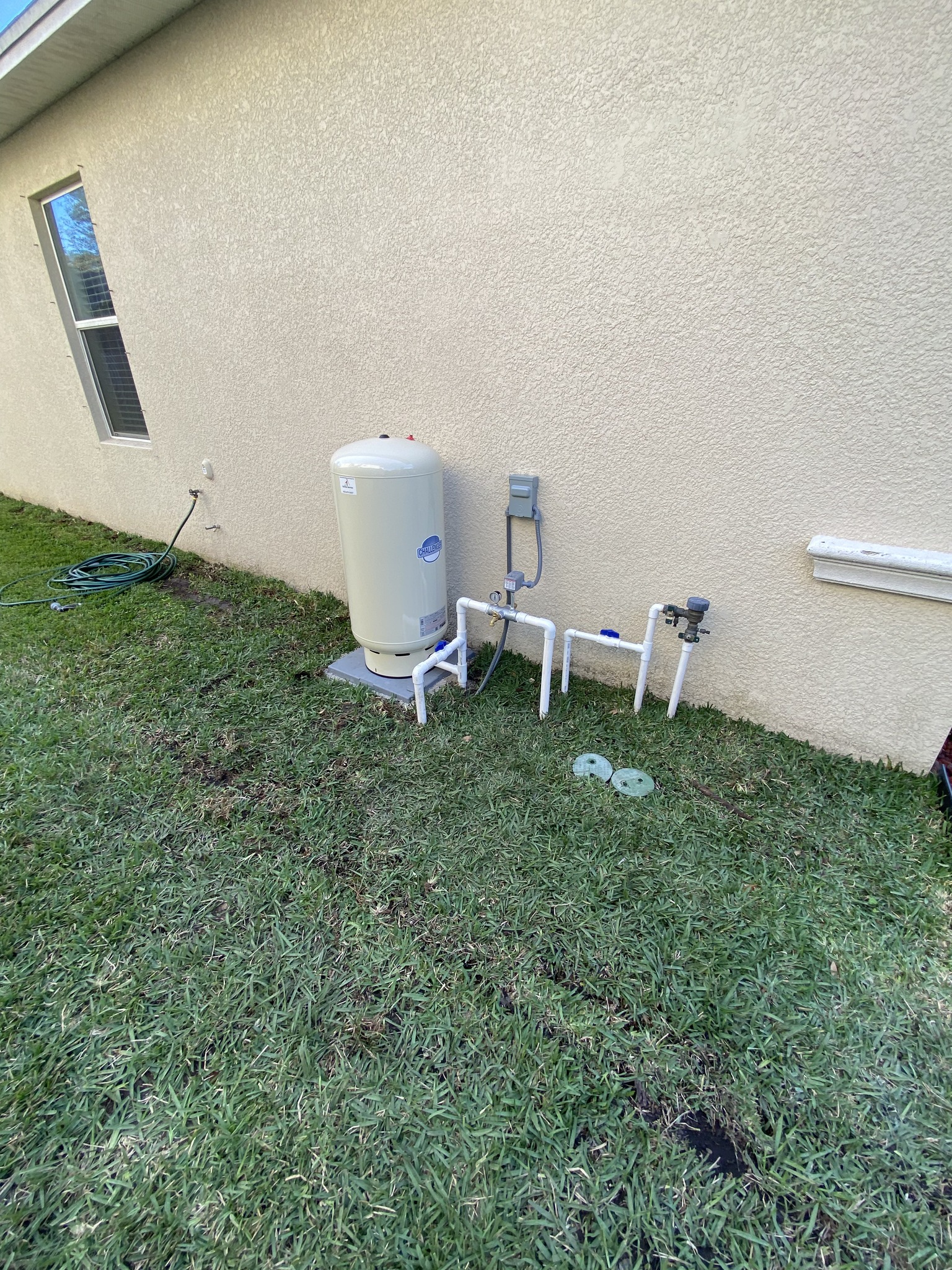
A properly functioning well system depends on several components working together, including the well pump, pressure tank, pressure switch, plumbing connections, and electrical controls.
An inspection can help identify problems such as:
- Declining pump performance
- Pressure tank issues
- Electrical concerns
- Water pressure irregularities
- Signs of equipment wear
- Water quality changes
Finding these issues early often reduces repair costs and helps extend the life of the entire system.
✅ How Often Should a Private Well Be Inspected?
For most homeowners, a professional well inspection once a year is a practical maintenance schedule.
Annual inspections help establish a record of how the system is performing over time, making it easier to spot gradual changes before they lead to unexpected failures.
You may also want an inspection:
- Before buying a home with a private well
- After major plumbing work
- Following flooding around the well
- If the system has been unused for an extended period
- Whenever water pressure or water quality changes noticeably
✅ Signs Your Well Should Be Inspected Sooner
Don’t wait for your yearly appointment if you notice changes in how your well system performs.
Schedule an inspection if you experience:
- Low or inconsistent water pressure
- No water at all
- Air coming from faucets
- Cloudy or discolored water
- Sand or sediment in the water
- Unusual tastes or odors
- Frequent pump cycling
- Higher-than-normal electric bills
These symptoms may point to a problem that is easier and less expensive to correct when caught early.
✅ What Happens During a Well Inspection?
Every property is different, but a professional inspection generally focuses on the condition and performance of the well system.
An inspection may include:
- Checking pump operation
- Measuring system pressure
- Inspecting the pressure tank
- Testing the pressure switch
- Examining visible plumbing connections
- Inspecting electrical components
- Looking for leaks or corrosion
- Evaluating overall system performance
If water quality concerns are present, additional testing may also be recommended.
✅ Water Testing and Well Inspections
Although they’re often scheduled together, a well inspection and water test are not the same thing.
A well inspection focuses on how the equipment is functioning.
A water test evaluates the quality of the water itself.
Depending on your concerns, water testing may check for:
- Bacteria
- Nitrates
- Iron
- Manganese
- pH levels
- Other naturally occurring substances
If you’ve noticed changes in taste, odor, or appearance, combining a well inspection with water testing provides a more complete picture of your system.
✅ Can Regular Inspections Save Money?
Routine maintenance often costs less than emergency repairs.
Small issues, such as a weakening pressure switch or an aging pressure tank, can usually be addressed before they cause damage to the well pump or other components.
Preventive inspections may help reduce:
- Unexpected breakdowns
- Emergency service calls
- Premature pump replacement
- Higher energy costs
- Water supply interruptions
While no inspection can prevent every problem, regular maintenance helps reduce the likelihood of major failures.
✅ Seasonal Changes Can Affect Your Well
Changes in weather or groundwater conditions can influence how your well performs throughout the year.
While many systems continue operating without issue, seasonal changes may contribute to:
- Variations in water levels
- Temporary changes in water clarity
- Increased sediment after heavy rainfall
- Differences in household water demand
If you notice changes after a prolonged dry spell or significant rainfall, it’s worth having the system evaluated.
✅ Tips for Homeowners Between Inspections
There are a few simple habits that can help you identify problems early.
Pay attention to:
- Changes in water pressure
- Unusual pump noises
- Water quality changes
- Pump running more often than usual
- Wet areas near the well equipment
- Sudden increases in electricity usage
Keeping track of these changes makes it easier to describe symptoms if professional service becomes necessary.
✅ When to Schedule an Inspection Immediately
Don’t wait for routine maintenance if:
- Your home suddenly loses water
- The pump won’t stop running
- Breakers repeatedly trip
- Water becomes heavily discolored
- You notice flooding around the wellhead
- Equipment begins making unusual noises
These situations should be evaluated promptly to prevent additional damage.
✅ Protect Your Well Investment
Your well system supplies one of the most important resources in your home. Regular inspections help ensure that every component is operating as intended while providing an opportunity to identify developing problems before they become major repairs.
Whether your well has been operating for years or you’ve recently purchased a home with a private well, a proactive maintenance schedule can help protect your water supply and extend the life of your equipment.
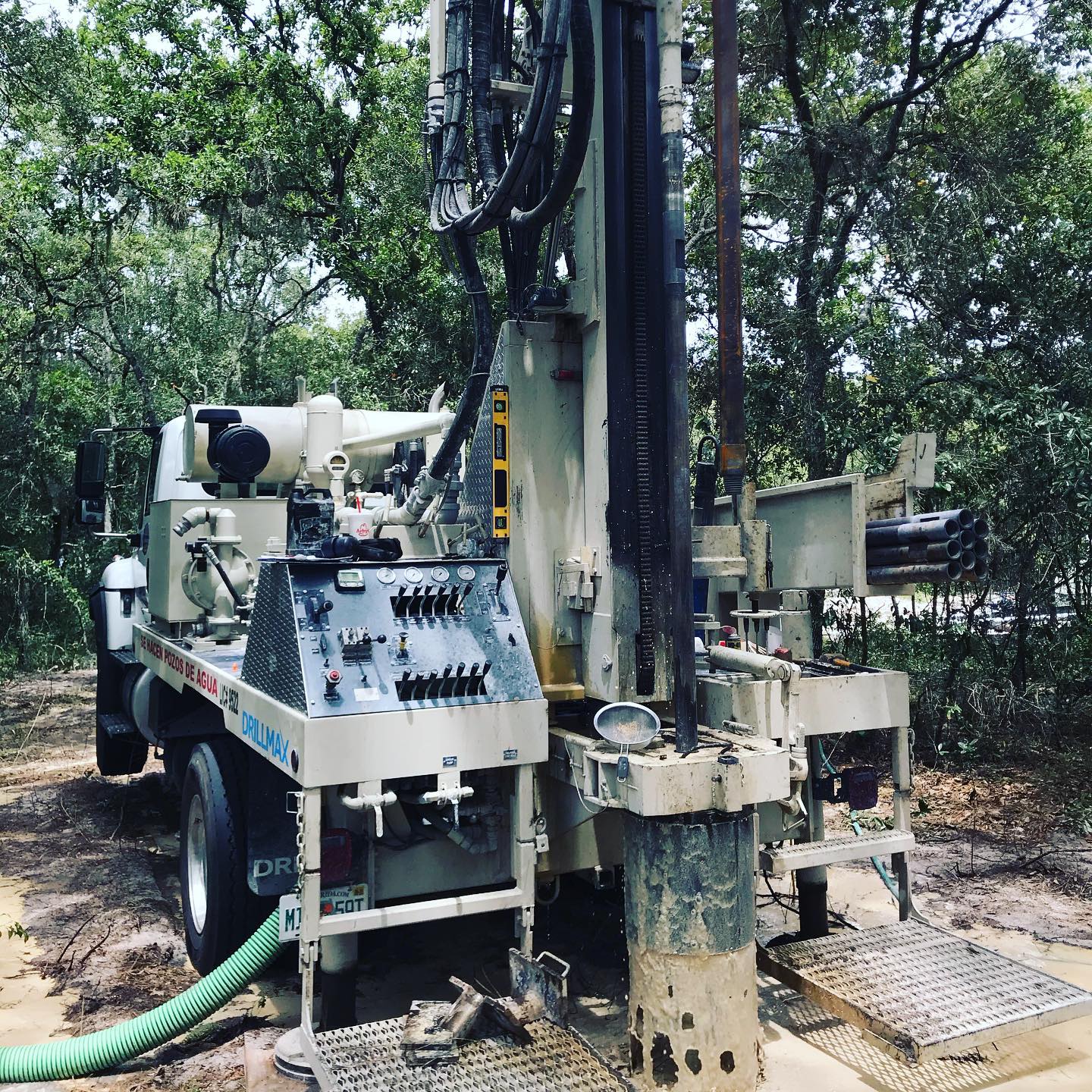
If you’re due for a well inspection or have noticed changes in your water system, Galan Well Drilling & Pump Inc. provides professional inspections, well pump service, pressure tank repairs, and complete well system diagnostics throughout the Tampa Bay area.
✅ Frequently Asked Questions
How often should a private well be inspected?
Most homeowners should schedule a professional well inspection once a year to monitor equipment performance and identify developing problems.
Is a well inspection the same as a water test?
No. A well inspection evaluates the condition of the equipment, while a water test analyzes the quality and characteristics of the water itself.
What are the signs that my well needs an inspection?
Low water pressure, cloudy water, unusual odors, frequent pump cycling, higher electric bills, or a complete loss of water are all reasons to schedule an inspection.
Should I inspect my well after heavy rain?
If flooding occurs around the wellhead or you notice changes in water quality after heavy rainfall, an inspection is recommended.
Can routine inspections extend the life of my well pump?
Regular inspections help identify worn components early, reducing unnecessary strain on the pump and supporting the long-term performance of the entire system.
What should I do if my well suddenly stops working?
Check for obvious electrical issues, such as a tripped breaker, but avoid repeatedly resetting the system. If water service does not return, contact a qualified well professional for diagnosis.
Service Areas
Galan Well Drilling & Pump Inc. provides annual well inspections, well pump repair, pressure tank service, well drilling, and complete water system maintenance throughout the Tampa Bay area. Regular inspections help homeowners protect their water supply and keep their well systems operating efficiently for years to come.