Turning on your faucet and seeing cloudy, brown, rusty, or sandy water can be alarming. Whether the change happens suddenly or develops over time, dirty well water should never be ignored. It can indicate anything from a simple sediment issue to a failing well pump, damaged well casing, or changes in your groundwater supply.
Understanding the possible causes is the first step toward restoring clean, dependable water to your home.
✅ What Does Dirty Well Water Mean?
Dirty well water doesn’t always mean the water is unsafe, but it does mean your well system needs attention.
Changes in water clarity, color, or taste often point to problems with one or more parts of the system, including the well itself, the pump, plumbing, or water treatment equipment.
Common signs include:
- Cloudy water
- Brown or yellow water
- Rust-colored water
- Sand or grit in faucets
- Black particles
- Metallic taste
- Unpleasant odors
Each symptom can indicate a different underlying issue.
✅ Sand or Sediment in Your Water
Finding sand in your water is one of the most common complaints among well owners.
Possible causes include:
- A worn well pump
- Damaged pump impellers
- Low water levels
- Screen damage
- Aging wells
- Natural sediment movement
Small amounts of sediment may seem harmless, but over time they can damage plumbing fixtures, water heaters, appliances, and filtration systems.
✅ Brown or Rust-Colored Water
Brown water usually indicates one of two problems.
The first is naturally occurring iron or manganese in the groundwater. The second is corrosion somewhere within your plumbing or well system.
Potential causes include:
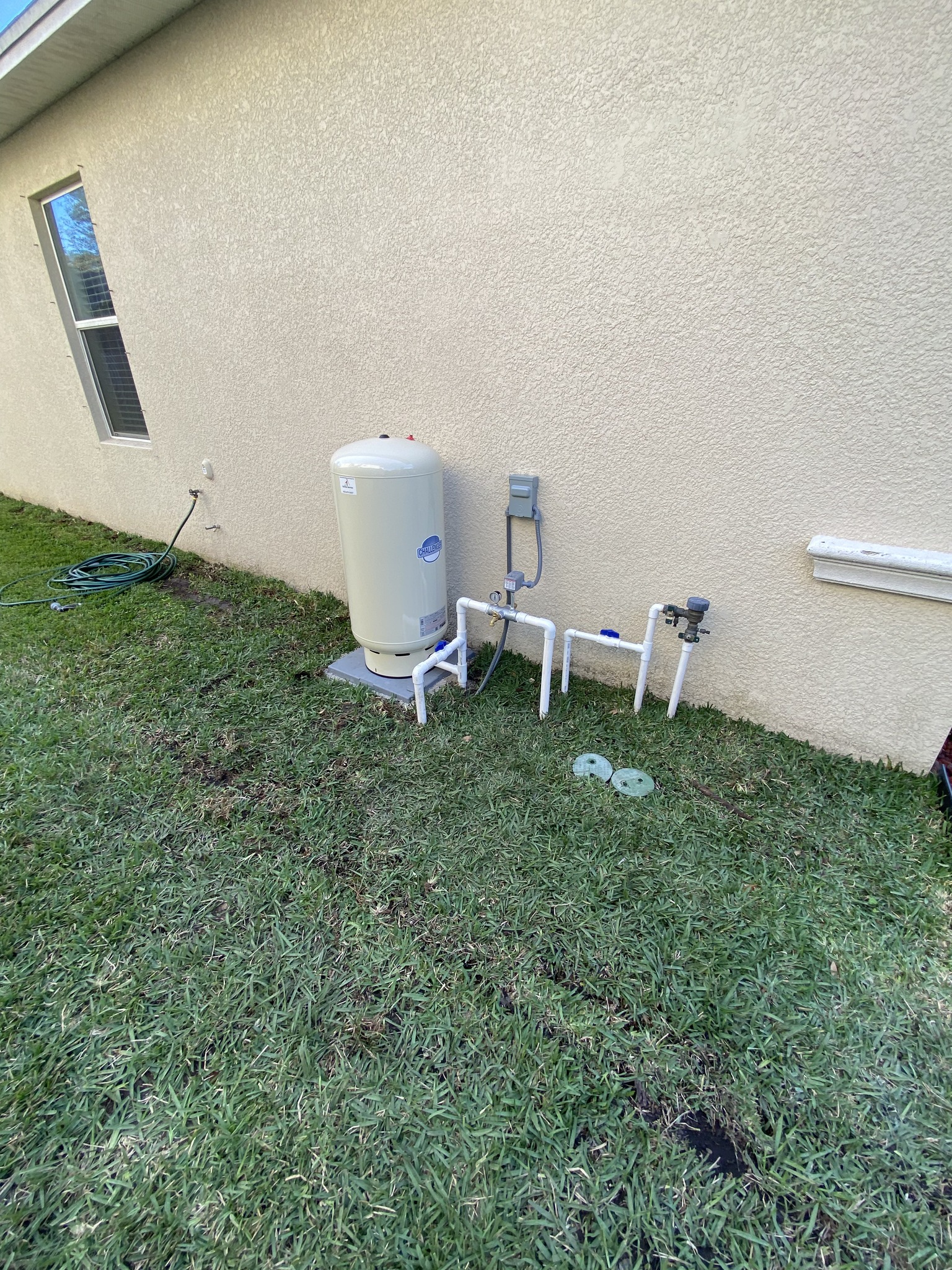
- Rusting pressure tanks
- Corroded pipes
- Iron-rich groundwater
- Aging well components
A professional inspection can determine whether the issue is cosmetic or requires repairs.
✅ Cloudy or Milky Water
Cloudy water often results from tiny air bubbles trapped in the water.
A simple test is to fill a clear glass and let it sit for a few minutes.
If the water clears from the bottom upward, trapped air is usually the cause.
If the cloudiness remains, the problem may involve:
- Sediment
- Minerals
- Water quality changes
- Well disturbances
Persistent cloudiness should be evaluated to identify the source.
✅ Rotten Egg Smell
A sulfur smell coming from your faucets is often caused by hydrogen sulfide gas.
Possible sources include:
- Naturally occurring bacteria
- Groundwater conditions
- Water heaters
- Organic matter within the well
While the smell is unpleasant, treatment options are available once the source is identified.
✅ Black Particles in the Water
Small black flakes or particles can originate from several places.
These include:
- Deteriorating rubber seals
- Water softeners
- Manganese deposits
- Aging plumbing components
Because multiple issues can produce similar symptoms, proper diagnosis is important before replacing equipment.
✅ Heavy Rain Can Affect Well Water
Florida’s weather can have a direct impact on private wells.
After periods of heavy rainfall, homeowners may notice:
- Cloudy water
- Increased sediment
- Surface water intrusion
- Temporary discoloration
Flooding around the wellhead can also introduce contaminants if the well isn’t properly sealed.
✅ Could the Well Pump Be the Problem?
Yes.
As well pumps wear over time, damaged impellers and internal components can disturb sediment at the bottom of the well.
Warning signs of pump-related issues include:
- Dirty water combined with low pressure
- Frequent pump cycling
- Reduced water flow
- Strange noises
- Air in the water lines
Ignoring these symptoms may lead to complete pump failure.
✅ The Importance of Water Testing
Not every water quality issue can be identified by appearance alone.
Routine water testing can detect:
- Bacteria
- Nitrates
- Iron
- Manganese
- pH imbalance
- Mineral content
- Other contaminants
Testing is especially important after flooding, repairs, or noticeable changes in water quality.
✅ How to Help Prevent Dirty Well Water
Regular maintenance is the best way to keep your well water clean and your system operating efficiently.
Recommended maintenance includes:
✅ Annual well inspections
✅ Routine water quality testing
✅ Pressure tank inspections
✅ Well cap inspections
✅ Filter replacement
✅ Prompt repairs when problems appear
Preventative maintenance helps catch small issues before they become expensive repairs.
✅ When Should You Call a Professional?
Some water quality problems can be temporary, while others indicate more serious equipment or well issues.
Schedule an inspection if:
- Water suddenly changes color
- Sediment continues to increase
- Water develops an unusual odor
- Pressure drops along with water quality
- You notice air coming from faucets
- Flooding has occurred around your well
Early diagnosis can often prevent larger repairs and help protect your family’s water supply.
✅ Protect Your Well and Your Water Quality
Clean water starts with a properly functioning well system. If you’ve noticed cloudy water, rust stains, sand, unusual smells, or changes in water pressure, don’t assume the problem will resolve itself.
Professional inspections, routine maintenance, and timely repairs help ensure your well continues to deliver clean, reliable water for years to come.
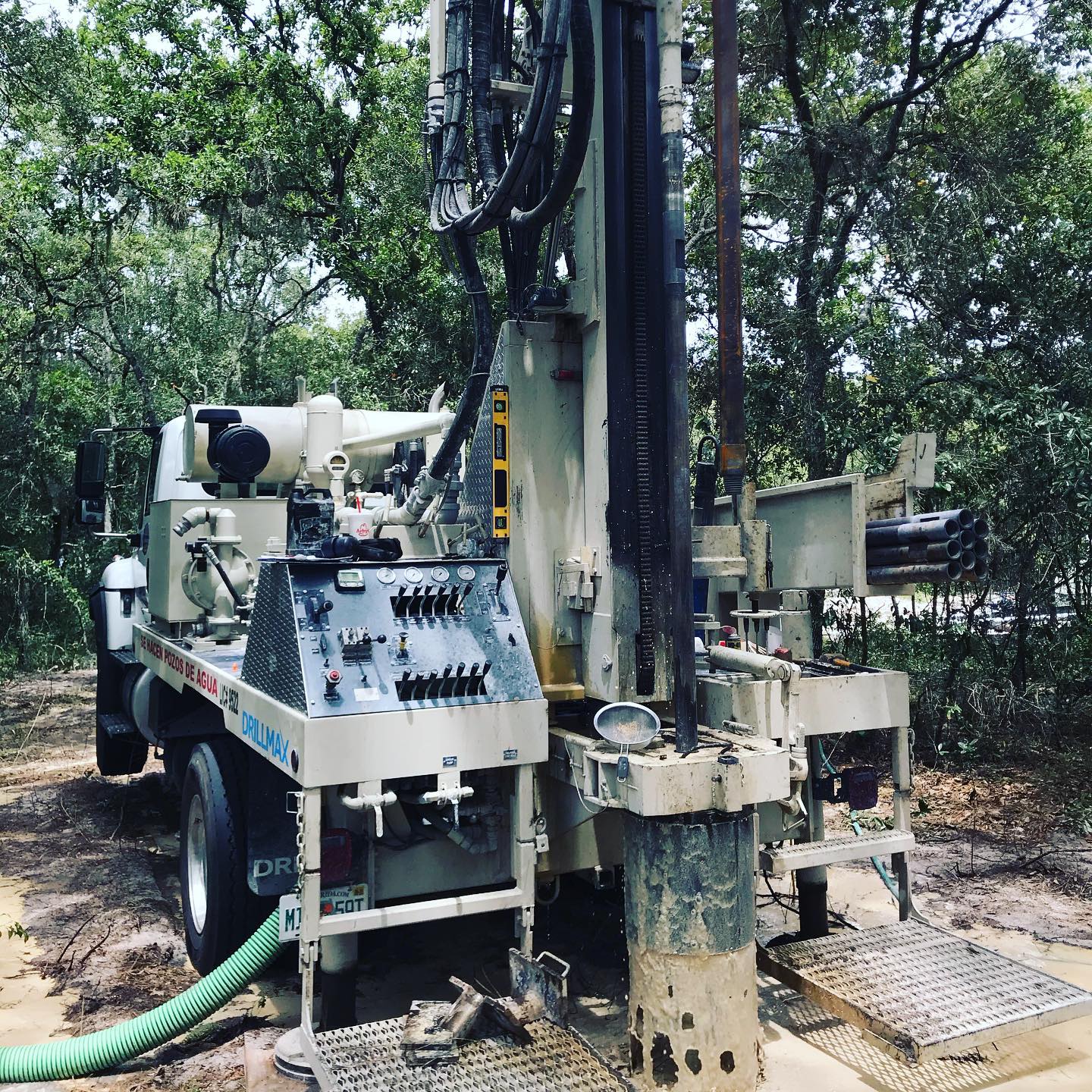
At Galan Well Drilling & Pump Inc., we help homeowners throughout the Tampa Bay area diagnose water quality issues, repair failing well systems, and keep private wells operating safely and efficiently.
✅ Frequently Asked Questions
Why is my well water suddenly dirty?
Dirty well water can result from sediment, pump problems, heavy rainfall, damaged well components, groundwater changes, or plumbing corrosion.
Is cloudy well water safe to drink?
Not always. While trapped air can cause harmless cloudiness, persistent cloudy water should be tested to rule out contamination or sediment issues.
Can a failing well pump cause dirty water?
Yes. Worn pump components can stir sediment and reduce water quality while also causing pressure problems.
Should I have my well water tested?
Yes. Annual water testing is recommended for private wells, and additional testing should be performed whenever water quality changes.
Can heavy rain affect well water?
Yes. Heavy rainfall can introduce sediment, increase groundwater movement, and temporarily affect water clarity if the well is not properly protected.
How can I keep my well water clean?
Routine inspections, water testing, proper well maintenance, and prompt repairs are the best ways to maintain clean and reliable well water.
Service Areas
Galan Well Drilling & Pump Inc. proudly provides well inspections, well pump repair, well drilling, pressure tank replacement, water system diagnostics, and complete well services throughout the Tampa Bay area, helping homeowners maintain clean, dependable water every day.