There is no single depth that every Florida water well needs to reach.
The appropriate depth depends on the groundwater conditions beneath the individual property, the water-bearing formations encountered during drilling, the intended use of the well, and how the completed well performs.
That means two properties in the same general area can have wells of different depths and still have properly functioning water systems.
✅ Why Can’t You Choose the Well Depth Before Drilling?
A water well isn’t drilled to an arbitrary depth and then declared finished.
The objective is to establish access to a suitable groundwater supply and construct a well that can reliably serve the property’s intended needs.
Before and during drilling, several factors can influence the final depth:
- Subsurface conditions
- Groundwater availability
- Water-producing formations
- Property water demand
- Well construction requirements
- Conditions encountered while drilling
Information about nearby wells may provide useful context, but it doesn’t guarantee what will be encountered on another property.
What Determines the Depth of a Florida Well?
Groundwater Conditions
The location and characteristics of groundwater beneath the property are fundamental to the project.
Groundwater isn’t simply a perfectly level underground lake sitting at one predictable depth.
Water moves through and is stored within subsurface materials and formations. A well needs to interact appropriately with those conditions to provide a usable supply.
The Water-Producing Formation
Reaching water is only part of the objective.
The well also needs to produce enough water for its intended use.
A contractor therefore isn’t simply asking:
“Have we reached water?”
The more useful question is:
“Can this well provide an appropriate water supply for this property?”
Those are not necessarily the same thing.
Property Water Requirements
A well intended for limited water use and a system expected to support substantial water demand may have different design considerations.
The contractor needs to understand how the water will be used before determining the appropriate well and pumping configuration.
Actual Drilling Conditions
What exists underground ultimately influences what happens above it.
Drilling conditions can vary from one site to another, which is why an exact final depth shouldn’t be treated as guaranteed before drilling begins.
Does a Deeper Well Automatically Provide Better Water?
No.
Deeper is not automatically better.
Well depth is one characteristic of the system—not a quality score.
Drilling unnecessarily deeper doesn’t automatically guarantee:
- More water
- Better pressure
- Better water quality
- Longer pump life
- A more reliable system
The appropriate goal is a properly constructed well suited to the actual conditions and needs of the property.
Does a Deeper Well Give You Better Water Pressure?
This is another common misconception.
Household water pressure isn’t determined simply by how deep the well was drilled.
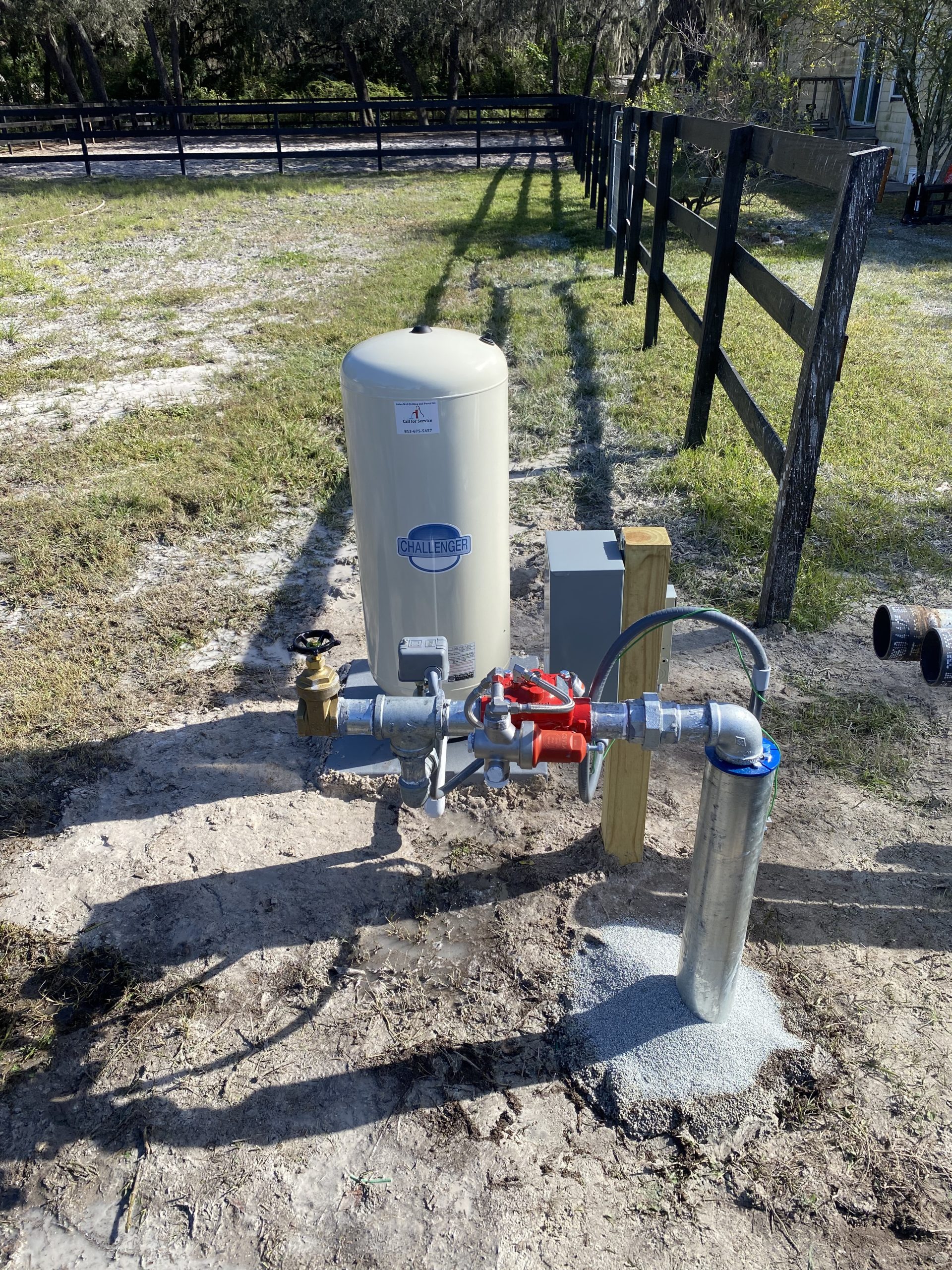
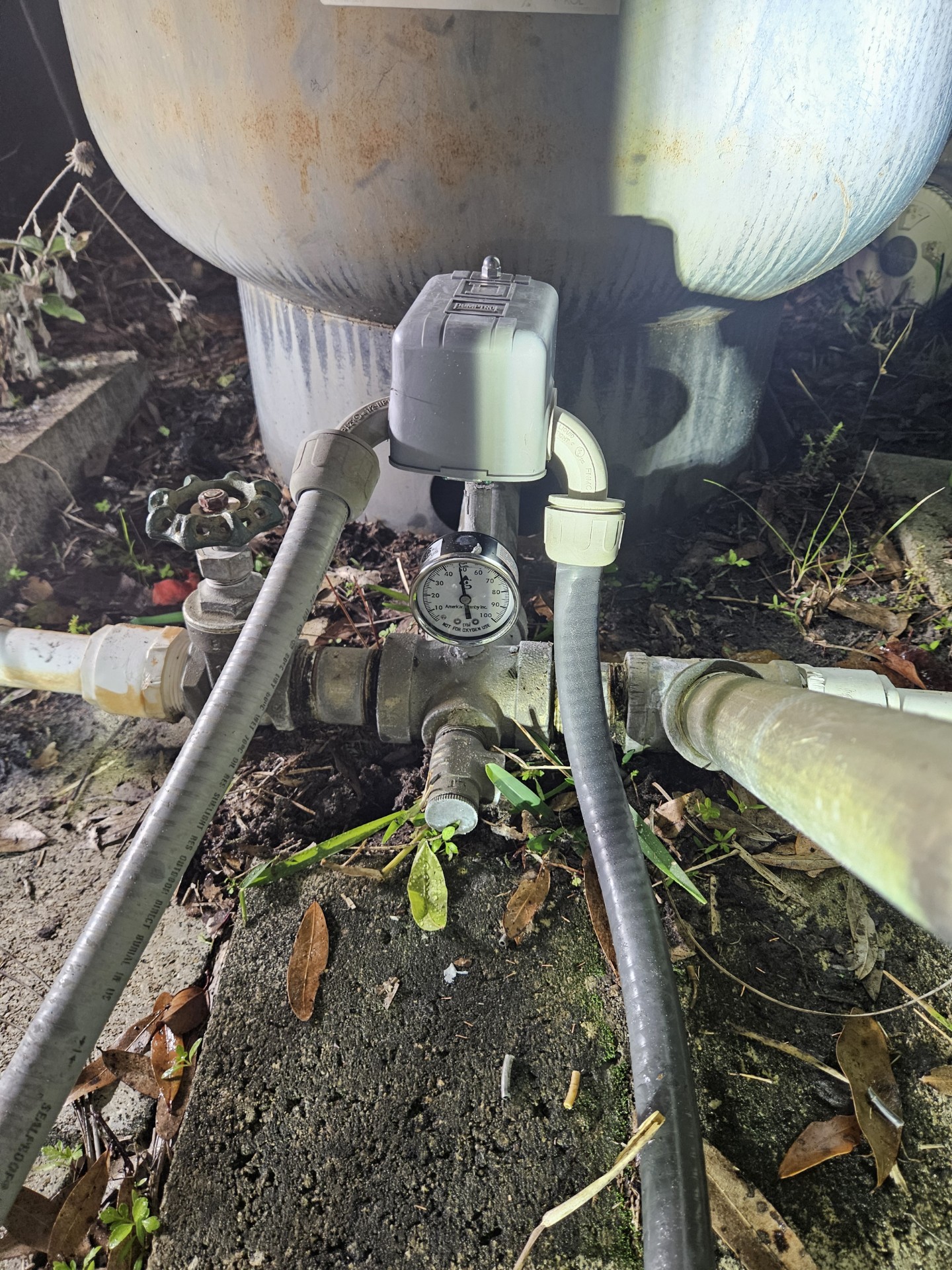
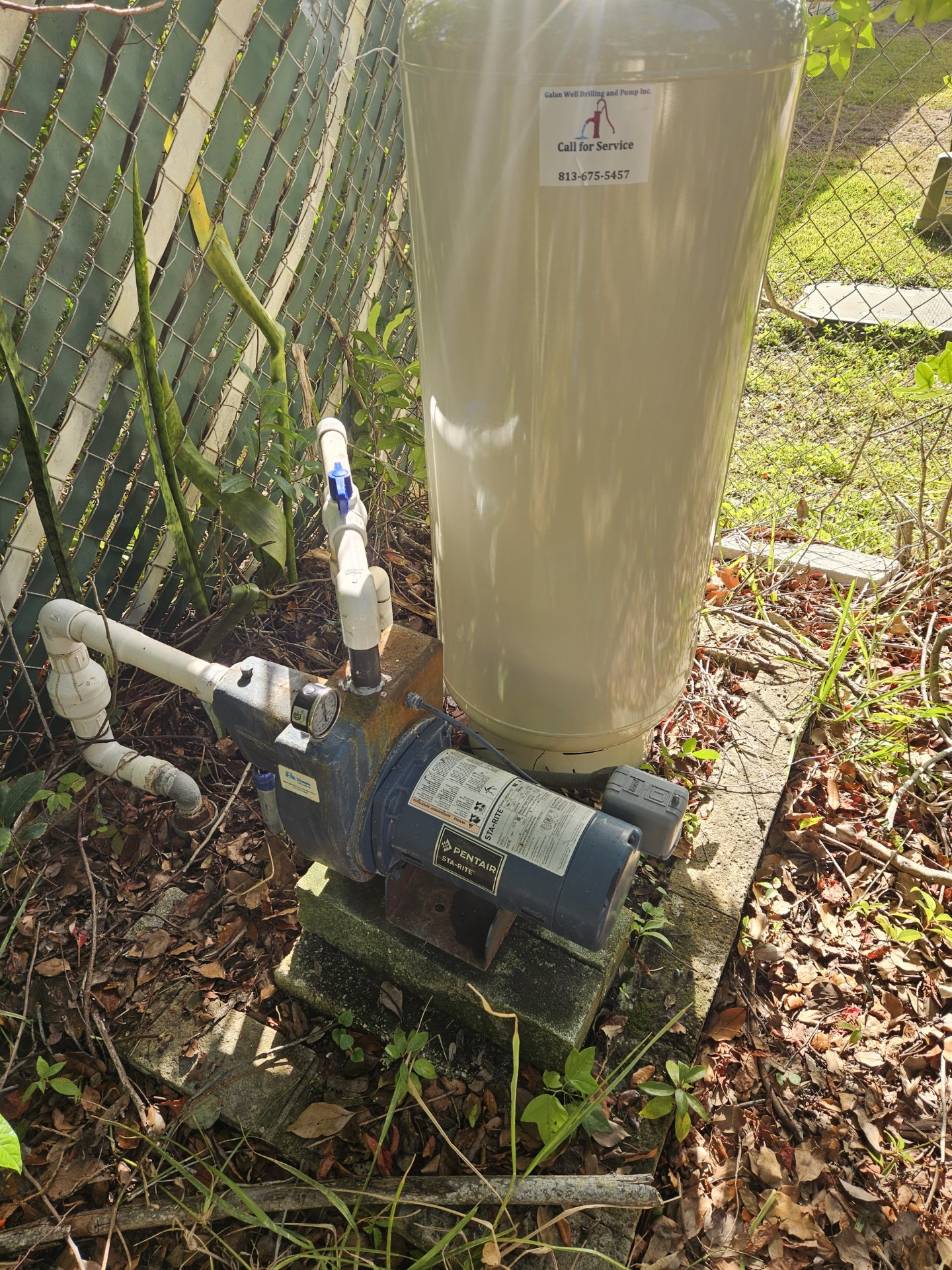
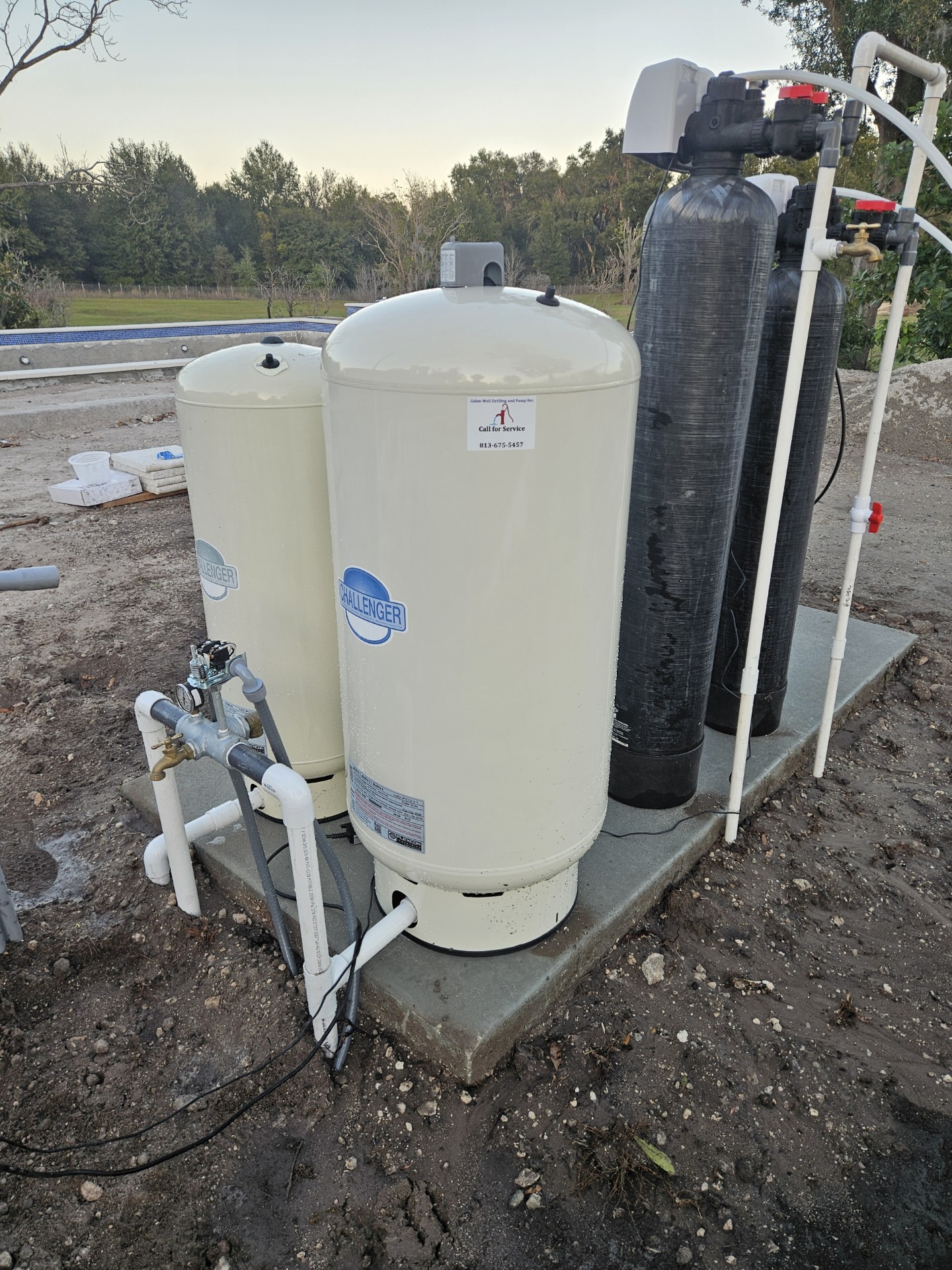
The water-delivery system includes several components working together, including the:
- Well
- Pump
- Pressure equipment
- Controls
- Piping
A deep well with an improperly performing pump system can still produce poor pressure at the faucets.
Likewise, pressure problems in an existing home don’t necessarily mean the well needs to be drilled deeper.
Well Depth and Pump Selection Are Related
Although depth doesn’t automatically determine water pressure, it does matter when designing the pumping system.
The pump needs to operate appropriately within the characteristics of the well while meeting the property’s water-delivery requirements.
That is why selecting a pump shouldn’t be separated from understanding the well itself.
A properly designed system considers the relationship between:
The available water → the well → the pump → the pressure system → the property’s demand.
Changing one part without understanding the others can create poor performance.
Can Your Neighbor’s Well Tell You How Deep Yours Will Be?
Nearby wells can provide useful background information about an area, but they shouldn’t be treated as a guarantee.
Imagine that your neighbor has a functioning well at a particular depth.
That tells you something about conditions encountered on that property.
It doesn’t prove that your property will encounter identical conditions at exactly the same depth.
Subsurface conditions can vary, and the requirements of the two properties may also be different.
So while neighboring wells can be informative, the actual drilling conditions on your property remain more important.
Why Online “Average Well Depth” Numbers Can Be Misleading
Homeowners researching a new well often search for an average Florida well depth.
An average can sound useful because it provides a simple number for budgeting or planning.
The problem is that an average doesn’t tell a contractor what exists beneath your property.
If one group of wells is relatively shallow and another is considerably deeper, averaging them doesn’t create a meaningful drilling specification for the next property.
This is why a site-specific evaluation is more useful than trying to design a well around a statewide number found online.
✅ What Matters More Than the Final Depth?
Instead of focusing only on footage, homeowners should think about the performance of the completed system.
Important questions include:
Does the well provide an appropriate water supply?
Simply encountering groundwater doesn’t establish that the well can meet the property’s needs.
Is the well properly constructed?
Depth alone says little about the quality of the completed installation.
Is the pump appropriate for the well?
The pumping equipment needs to match the characteristics of the well and the requirements of the property.
Does the system provide dependable water delivery?
Ultimately, the homeowner experiences the complete system—not the drilling depth written on a piece of paper.
What If an Existing Well Is No Longer Providing Enough Water?
Don’t immediately assume that the solution is drilling deeper.
Reduced water delivery can also be associated with problems involving:
- The well pump
- Pressure equipment
- Electrical controls
- Water lines
- Changes in well performance
- Water availability
The first step should be determining where the system is failing.
If the pump isn’t moving water effectively, drilling work won’t repair the pump.
If a piping problem is causing pressure loss, a deeper well won’t repair the pipe.
If the existing well itself is no longer capable of meeting the property’s needs, then well-related options can be considered based on an actual evaluation.
Questions to Ask Before Drilling a New Well
Instead of asking only, “How many feet will you drill?” homeowners can get more useful information by asking:
- How will the well location be evaluated?
- What factors determine when drilling is complete?
- How will the water supply be evaluated?
- How will the pump be selected?
- What pressure equipment will the system require?
- What is included in the installation?
- What happens if drilling conditions differ from expectations?
These questions focus the conversation on well performance, not simply well depth.
Planning a New Water Well in Florida?
If you’re considering a new well, avoid choosing equipment or assuming a required depth based solely on another property or a number found online.
Galan Well Drilling & Pump Inc. can evaluate the property and determine the appropriate approach based on the conditions encountered, the intended water use, and the requirements of the complete well system.
The goal isn’t to drill the deepest well possible.
It’s to build the right well for the property.
Frequently Asked Questions
What is the average depth of a water well in Florida?
Well depths vary significantly by location and site conditions, so a statewide average shouldn’t be used to determine how deep a particular property should be drilled.
Can you know exactly how deep a well will be before drilling?
Not necessarily. Existing information may help establish expectations, but actual subsurface and groundwater conditions encountered during drilling influence the final depth.
Is a deeper well always better?
No. Greater depth doesn’t automatically mean more water, better water quality, higher pressure, or a better-performing well.
Does well depth determine water pressure?
Not by itself. Household pressure depends on the complete water-delivery system, including the pump, pressure equipment, controls, piping, and system demand.
Will my well be the same depth as my neighbor’s?
Not necessarily. Nearby wells can provide useful context, but subsurface conditions and property requirements can vary.
Can an existing well simply be drilled deeper if it has problems?
That depends on what is actually causing the problem and the condition and construction of the existing well. Pump, pressure, electrical, and piping problems should be ruled out before assuming additional drilling is necessary.