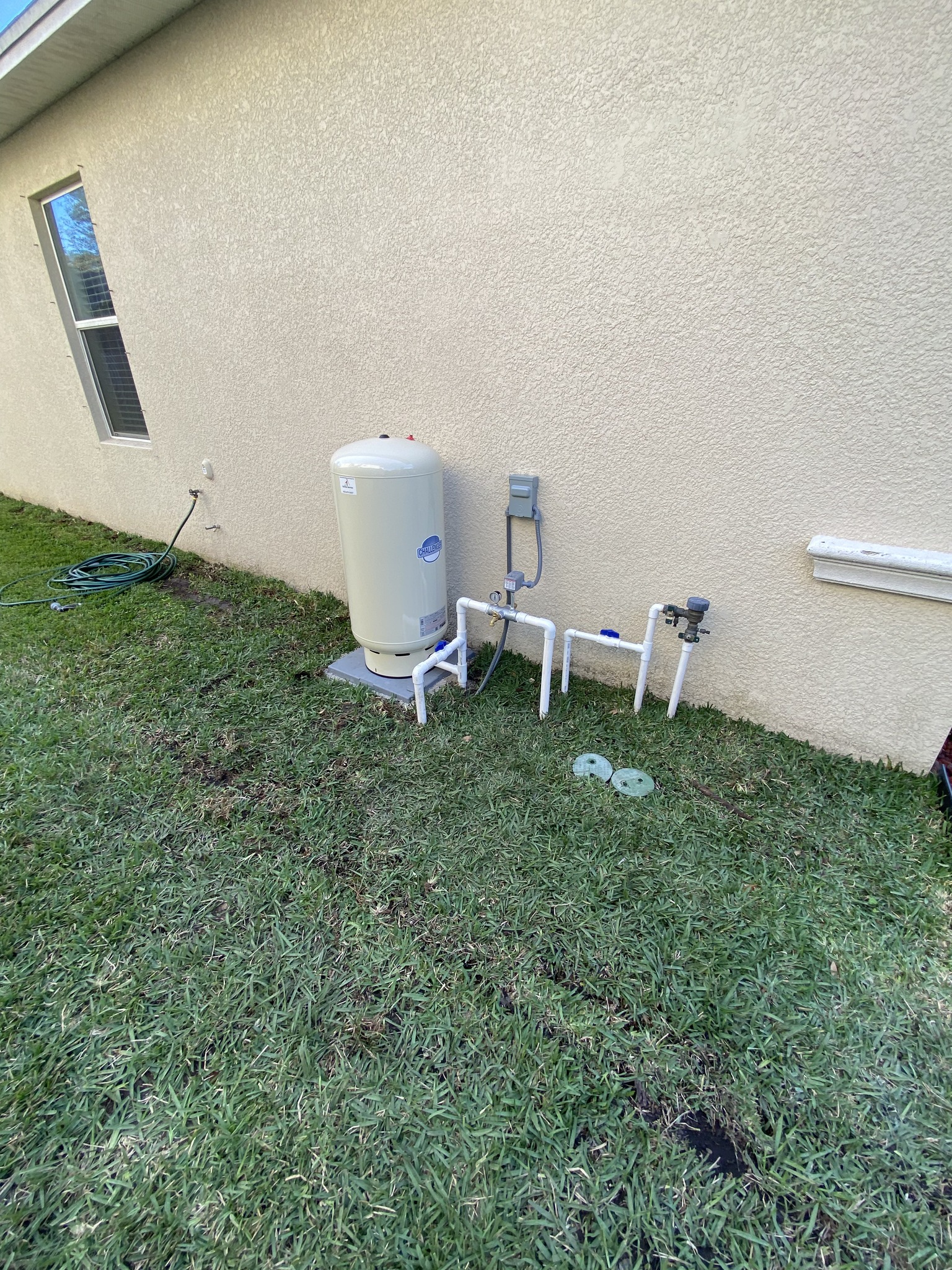
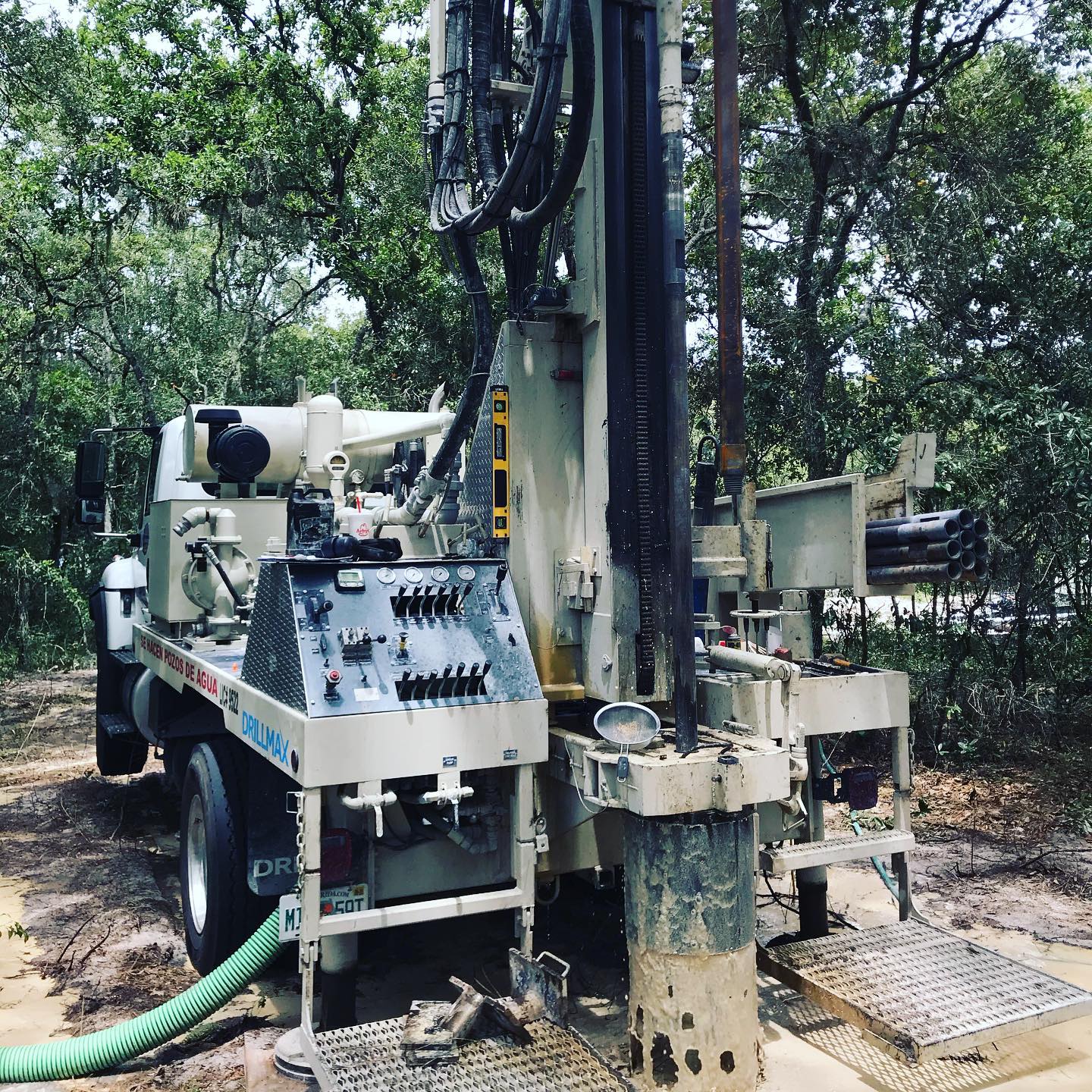
Losing water suddenly is one of the most stressful problems a homeowner on a private well can face. In Tampa Bay, where many homes rely on well systems, a loss of water is usually a sign that something in the pump, pressure system, or electrical components isn’t working correctly.
Understanding the most common causes helps homeowners act quickly, reduce damage, and avoid unnecessary downtime.
The Most Common Reasons a Well Suddenly Stops Producing Water
When a well system fails, the issue is rarely random. Most no-water situations fall into a few clear categories.
✅ Electrical failure within the well system
✅ Pressure switch or control box malfunction
✅ Submersible or jet pump failure
✅ Loss of pressure due to tank or line issues
✅ Pump short cycling or running until burnout
Florida’s climate, soil conditions, and water demand can accelerate wear on these components over time.
Electrical Problems Are a Leading Cause of No Water
Electrical issues are one of the most overlooked causes of well pump failure. A well pump relies on multiple electrical components working together, and when one fails, the system may shut down completely.
Common electrical-related causes include:
✅ Failed pressure switches that no longer signal the pump
✅ Control box malfunctions affecting submersible pumps
✅ Worn capacitors or motors unable to start the pump
✅ Magnetic starter issues in higher-demand systems
Because these components are tied to power, troubleshooting should always be handled by a professional to avoid safety risks.
Well Pump Failure vs. System Failure
Not every no-water situation means the pump itself is dead. In many cases, the pump is functional but can’t operate due to system-level problems.
Examples include:
✅ Pressure tanks that can’t hold or regulate pressure
✅ Electrical interruptions preventing pump activation
✅ Internal wear causing the pump to shut down under load
Proper diagnosis is critical before deciding whether repair or replacement is needed.
Florida-Specific Factors That Affect Well Systems
Tampa Bay well systems face unique challenges that homeowners in other regions may not experience.
✅ Sandy soil that shifts over time
✅ High humidity affecting electrical components
✅ Storms and power fluctuations
✅ Increased household water usage during hot months
These factors can contribute to sudden failures if a system hasn’t been inspected or maintained regularly.
What Homeowners Should Do Immediately When There’s No Water
If your well stops producing water, taking the right steps can prevent further damage.
✅ Avoid running fixtures repeatedly
✅ Do not reset breakers repeatedly without diagnosis
✅ Check for visible electrical or pressure issues only if safe
✅ Contact a licensed well professional for proper troubleshooting
Attempting DIY fixes on a well system can lead to electrical hazards or more costly damage.
Why Professional Diagnosis Matters
Well systems are complex and combine mechanical, electrical, and pressure-based components. A professional evaluation ensures:
✅ Accurate identification of the failure point
✅ Safe handling of electrical components
✅ Proper repair without unnecessary replacements
✅ Long-term system reliability
Licensed well professionals are trained to diagnose the full system, not just one part.
Frequently Asked Questions
What causes a well to suddenly stop producing water?
A sudden loss of water is commonly caused by electrical failures, pressure switch problems, control box issues, or pump malfunction. Florida environmental conditions can also accelerate wear on well components.
Can electrical problems stop a well pump from working?
Yes. Electrical issues are a leading cause of well pump failure and can prevent the pump from turning on or operating correctly.
Is no water always a sign that the pump needs to be replaced?
No. Many no-water situations are caused by system or electrical issues rather than pump failure. A professional diagnosis is required to determine the correct solution.
Should I shut off my well pump if there is no water?
If it is safe to do so, limiting pump operation can help prevent further damage. A licensed well professional should inspect the system before restarting it.
Do Tampa Bay well systems fail more often due to climate?
Florida’s sandy soil, humidity, storms, and high water demand can place additional stress on well systems, making regular inspection and maintenance important.