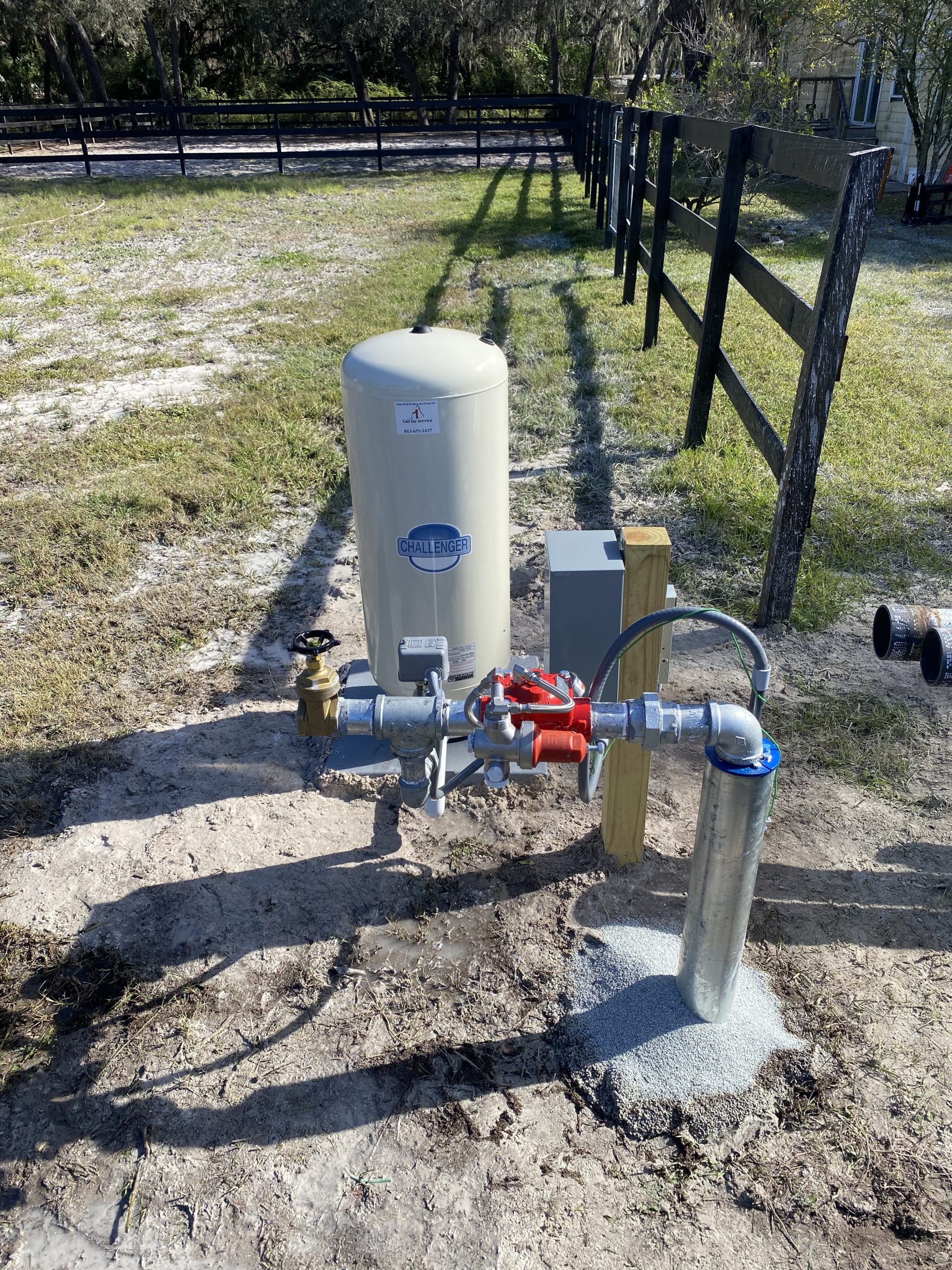
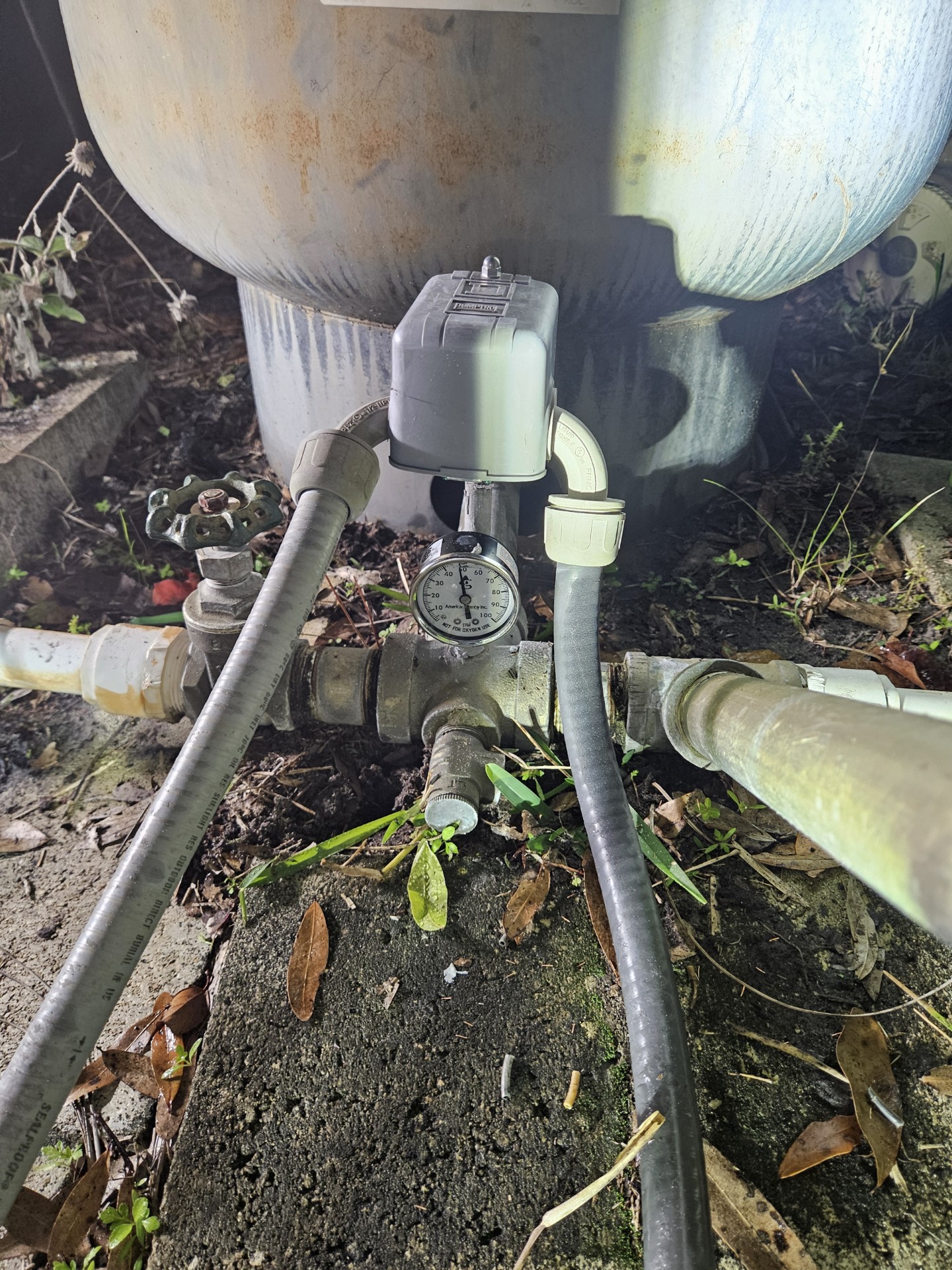
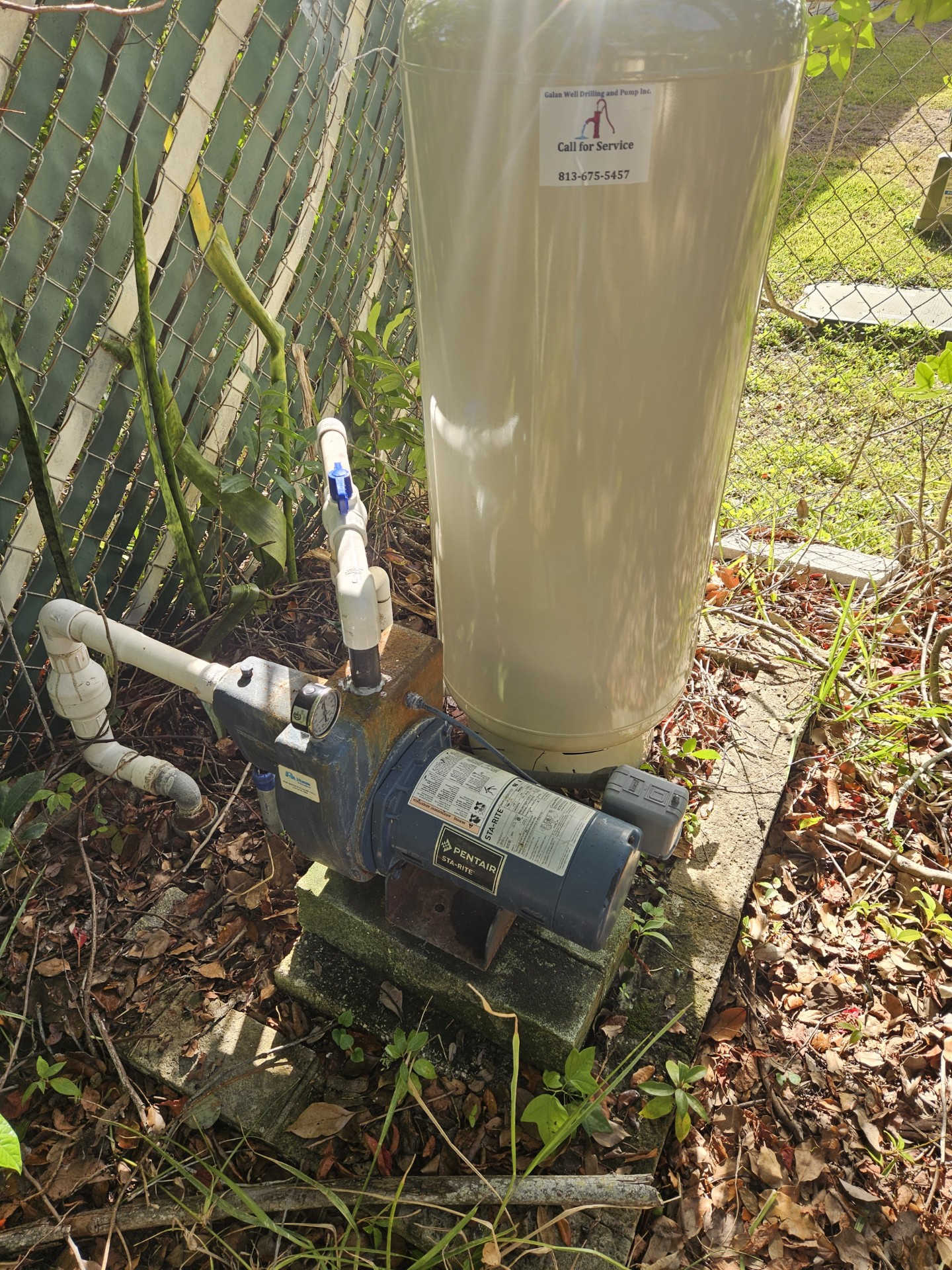
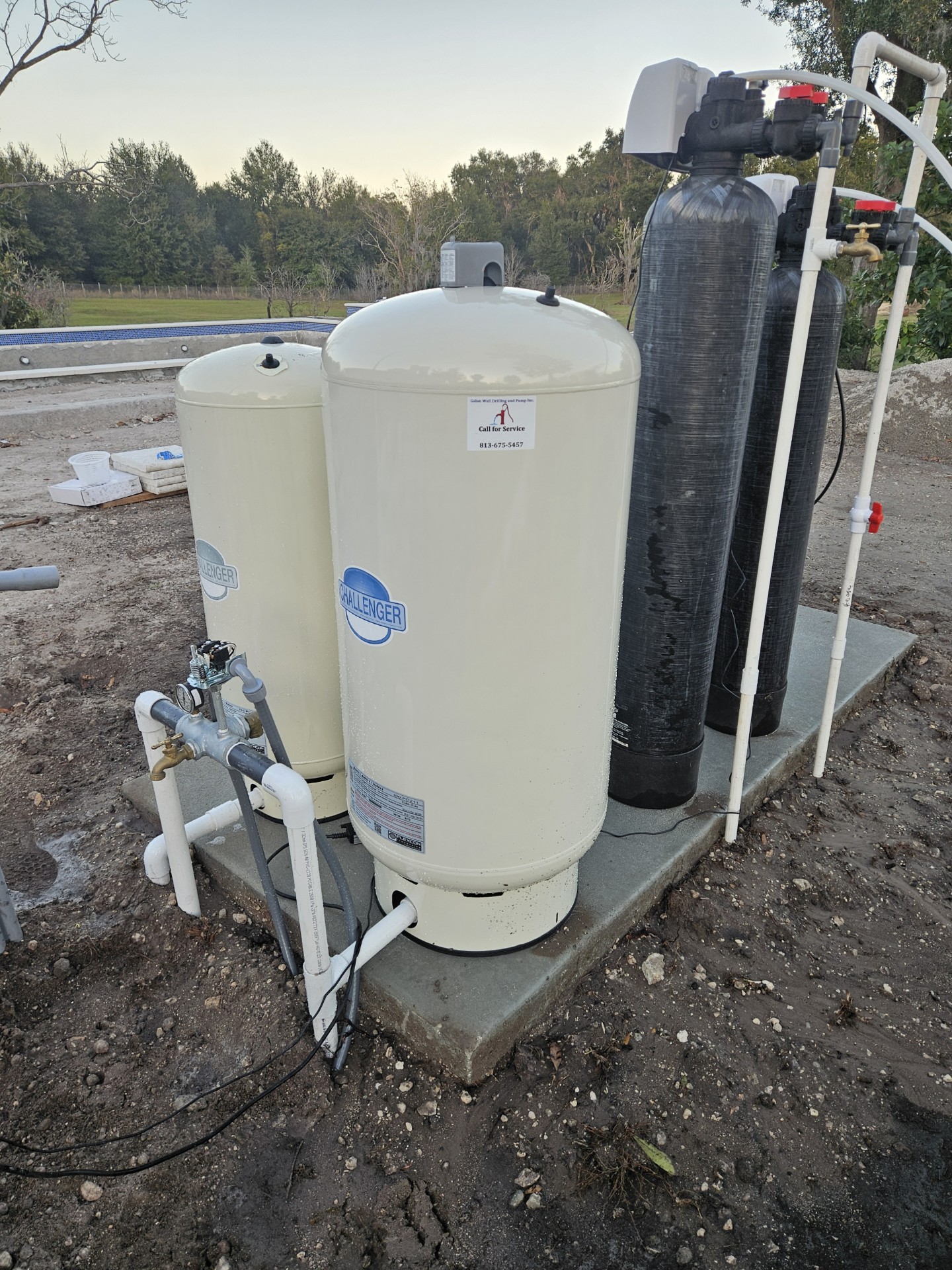
A well pump is one of the most important components of a private water system. It operates behind the scenes every day, delivering water for drinking, cooking, cleaning, bathing, and irrigation. Because it works so reliably, many homeowners rarely think about it until something goes wrong.
One of the most common questions we hear from well owners is simple: How long should a well pump last?
The answer depends on several factors, including the type of pump, water quality, installation quality, maintenance history, and how heavily the system is used.
✅ Average Lifespan of a Well Pump
Most residential well pumps last between 8 and 15 years.
However, some systems can exceed 20 years when properly maintained, while others may require replacement sooner due to environmental conditions or excessive demand.
Typical lifespans include:
- Submersible well pumps: 10–15 years
- Jet pumps: 8–12 years
- Constant pressure systems: 10–15 years
- Pressure tanks: 8–15 years
- Pressure switches: 5–10 years
It’s important to remember that every well system is unique.
✅ Why Florida Conditions Matter
Florida’s environment creates unique challenges for well systems.
Several factors can impact equipment lifespan:
- High humidity
- Sandy soil conditions
- Mineral-rich groundwater
- Frequent thunderstorms
- Heavy household water usage
- Seasonal groundwater fluctuations
These conditions can accelerate wear on electrical components, pressure tanks, control boxes, and pump motors.
✅ The Biggest Threat to Well Pump Longevity
Many homeowners assume age is what kills a well pump.
In reality, excessive cycling is often the biggest culprit.
A pump that turns on and off too frequently experiences far more wear than one operating under normal conditions.
Common causes of excessive cycling include:
- Failing pressure tanks
- Water leaks
- Improper tank pressure
- Faulty pressure switches
- Undersized system components
Addressing these issues early can dramatically extend pump life.
✅ Signs Your Well Pump Is Aging
Most well pumps don’t fail overnight.
They typically provide warning signs as components begin to wear.
Watch for:
- Reduced water pressure
- Intermittent water flow
- Air coming from faucets
- Sputtering fixtures
- Higher electric bills
- Strange noises
- Frequent pump operation
These symptoms don’t always mean replacement is necessary, but they do indicate the system should be inspected.
✅ Submersible Pumps vs. Jet Pumps
Not all well pumps are built the same.
✅ Submersible Pumps
Submersible pumps are installed inside the well and operate underwater.
Benefits include:
- Greater efficiency
- Quieter operation
- Longer lifespan
- Better performance in deeper wells
These pumps are common throughout Florida and often last longer than above-ground alternatives.
✅ Jet Pumps
Jet pumps are typically installed above ground and pull water from the well.
Advantages include:
- Easier access for maintenance
- Lower installation costs
- Simpler troubleshooting
However, they may experience slightly shorter lifespans due to exposure to environmental conditions.
✅ Water Quality Can Affect Pump Life
Groundwater quality plays a major role in system longevity.
Water containing excessive sand, sediment, or minerals can increase wear on pump components.
Potential issues include:
- Abrasive damage to impellers
- Sediment buildup
- Reduced efficiency
- Increased strain on motors
Regular water testing and filtration can help protect your equipment.
✅ The Pressure Tank’s Role in Pump Lifespan
Many well pump failures begin with a neglected pressure tank.
When the pressure tank fails, the pump must work significantly harder.
A failing pressure tank may cause:
- Short cycling
- Increased electrical usage
- Motor overheating
- Premature pump wear
Routine pressure tank inspections can often prevent major pump repairs.
✅ Can Maintenance Extend Well Pump Life?
Absolutely.
Preventative maintenance is one of the most effective ways to maximize equipment lifespan.
Recommended maintenance includes:
✅ Annual well inspections
✅ Pressure tank testing
✅ Pressure switch inspections
✅ Electrical system checks
✅ Water quality testing
✅ Sediment filter replacement
Routine service often identifies small issues before they become expensive failures.
✅ When Should You Replace a Well Pump?
Age alone doesn’t determine replacement timing.
Instead, replacement should be considered when:
- Repairs become frequent
- Efficiency decreases significantly
- Water pressure remains inconsistent
- Electrical issues become common
- Major internal components fail
In many cases, repairing a pump can extend its life. In others, replacement becomes the more cost-effective long-term solution.
✅ Repair vs. Replacement: Which Makes More Sense?
Homeowners often wonder whether they should repair an aging pump or install a new one.
Repair may be appropriate when:
- The pump is relatively new
- The problem is isolated
- Replacement parts are available
- Overall system health is good
Replacement often makes sense when:
- The pump is approaching the end of its expected lifespan
- Multiple repairs are needed
- Efficiency has declined
- Reliability has become a concern
A professional evaluation can help determine the best course of action.
✅ Protecting Your Investment
Your well pump is the heart of your water system. While no mechanical equipment lasts forever, proper maintenance and early intervention can significantly increase its lifespan.
By monitoring performance, addressing pressure issues quickly, and scheduling routine inspections, homeowners can often avoid unexpected breakdowns and extend the life of their entire well system.
✅ Frequently Asked Questions
How long should a well pump last in Florida?
Most residential well pumps last between 8 and 15 years, although proper maintenance can sometimes extend lifespan beyond 20 years.
What causes a well pump to fail early?
Common causes include excessive cycling, pressure tank failure, sediment buildup, electrical problems, and lack of maintenance.
Can a pressure tank affect well pump lifespan?
Yes. A failing pressure tank can force the pump to cycle more frequently, significantly increasing wear and reducing its lifespan.
How do I know if my well pump needs replacement?
Signs may include low water pressure, rising energy costs, repeated repairs, strange noises, and inconsistent water delivery.
Should I repair or replace my well pump?
The answer depends on the pump’s age, condition, repair history, and overall system performance. A professional inspection can help determine the most cost-effective option.
How often should a well system be serviced?
Most well professionals recommend annual inspections to identify problems early and maintain system performance.