Few household problems are as frustrating as turning on a faucet and finding no water. For homeowners who rely on a private well, a sudden loss of water often points to a problem somewhere within the well system. While a failed well pump is one possibility, many no-water situations are caused by other components that can be diagnosed and repaired.
Knowing what to check first can save time, reduce stress, and help determine whether you are facing a simple issue or a more serious repair.
✅ Confirm the Problem Is Limited to Your Home
Before assuming your well pump has failed, determine whether the issue affects only your property.
Ask yourself:
- Do all faucets have no water?
- Is the problem affecting hot and cold water?
- Are neighbors with municipal water experiencing issues?
- Has there been a recent power outage?
A complete loss of water throughout the home usually points to a well system issue rather than a plumbing fixture problem.
✅ Check Your Electrical Breaker
One of the first things to inspect is the electrical panel.
Well pumps require electricity to operate, and a tripped breaker can immediately shut down the entire system.
Look for:
- Tripped breakers
- Blown fuses
- Signs of electrical damage
- Burnt odors near electrical equipment
If the breaker continues to trip after being reset, stop troubleshooting and contact a professional. Repeated tripping often indicates a larger electrical or pump problem.
✅ Listen for Signs of Pump Activity
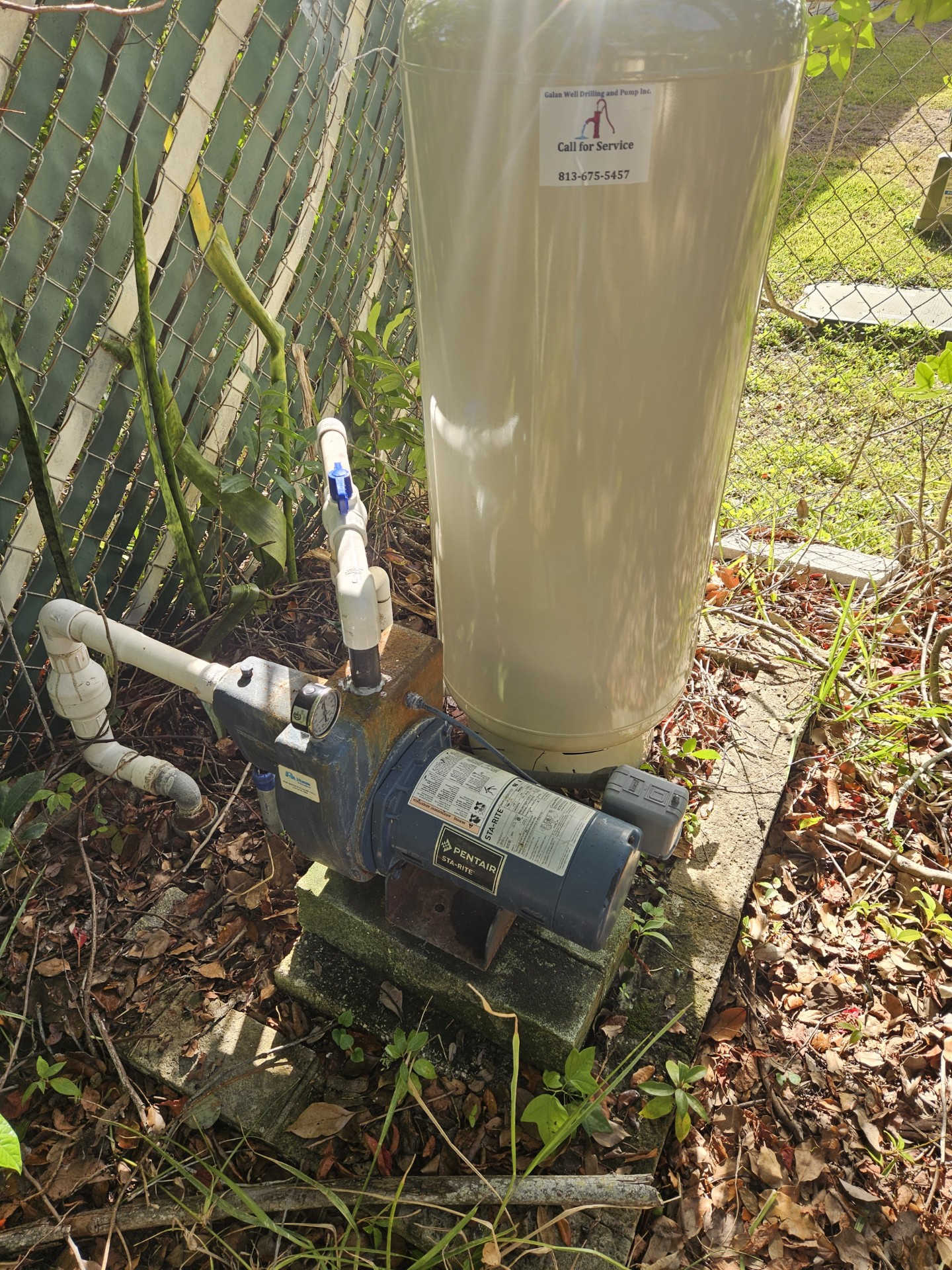
If your well pump normally produces a slight humming sound, listen carefully near the pressure tank or control box.
Questions to consider:
- Do you hear the pump running?
- Is the pump completely silent?
- Are there clicking sounds?
- Do you hear buzzing or grinding noises?
These sounds can provide valuable clues regarding the source of the failure.
✅ Inspect the Pressure Switch
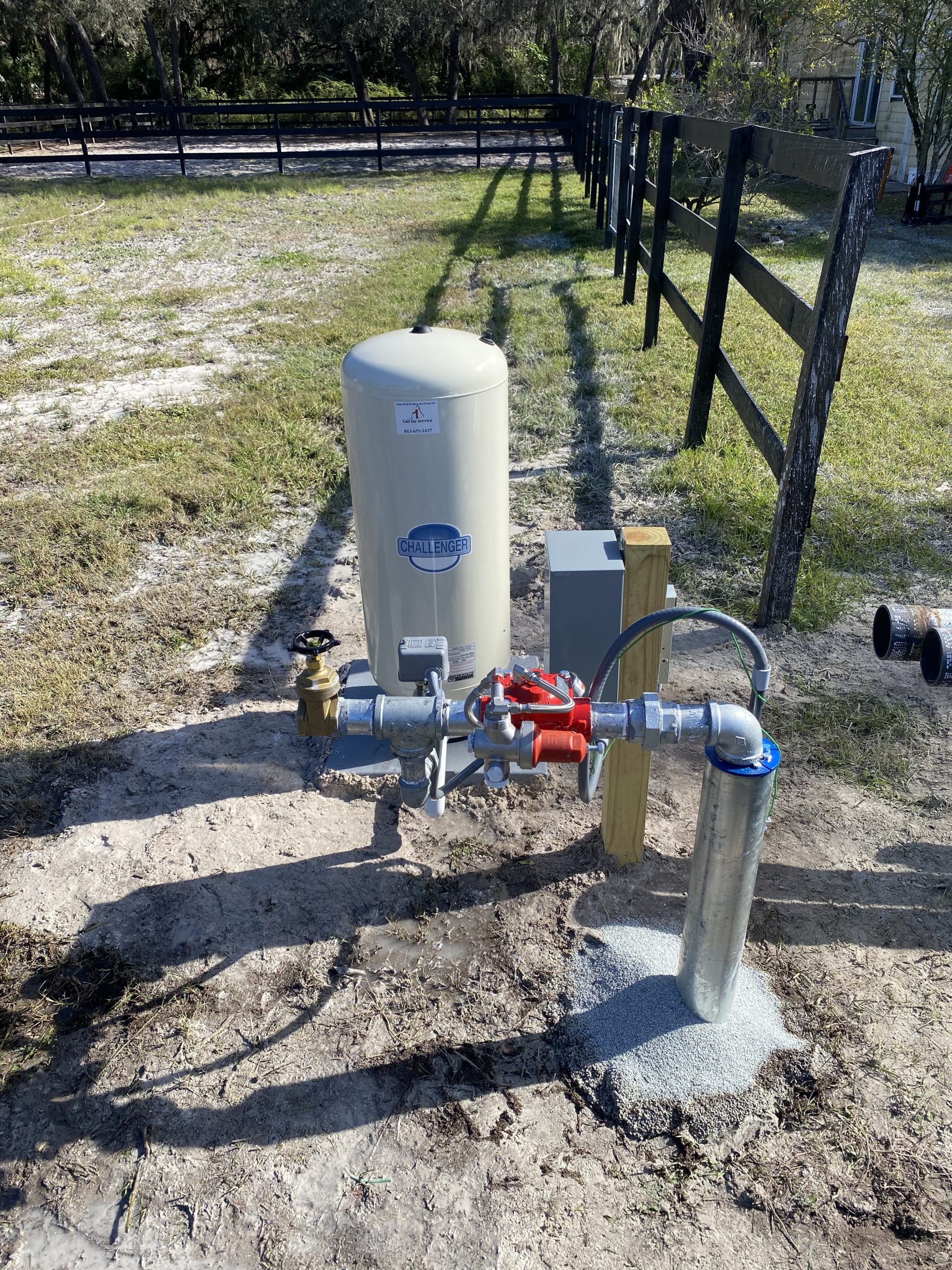
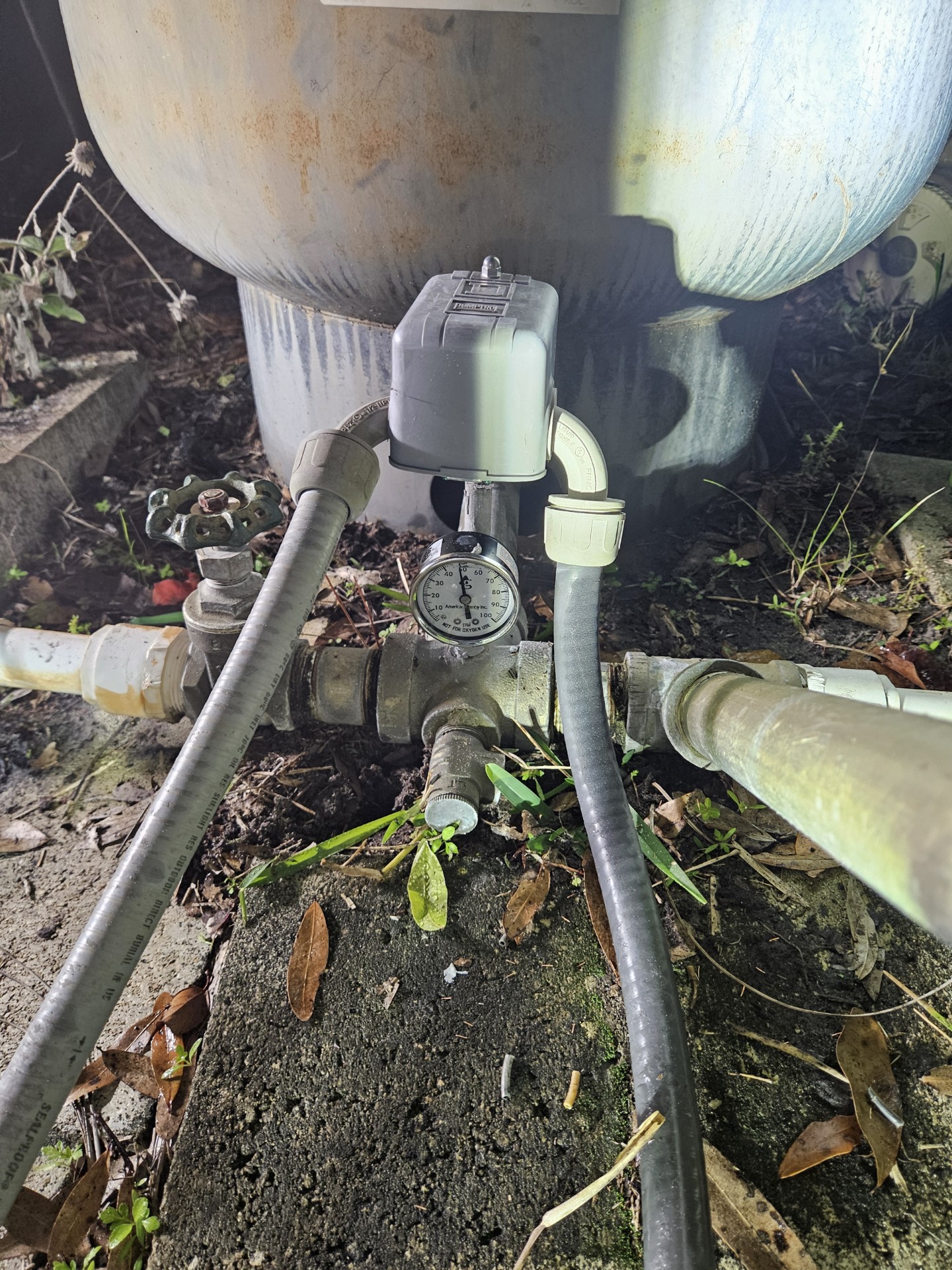
The pressure switch controls when the pump turns on and off.
A faulty switch may prevent the pump from operating even when water pressure drops.
Common pressure switch symptoms include:
- No water service
- Pump fails to start
- Burnt contacts
- Constant clicking
Pressure switch failures are relatively common and are often less expensive to repair than replacing a pump.
✅ Examine the Pressure Tank
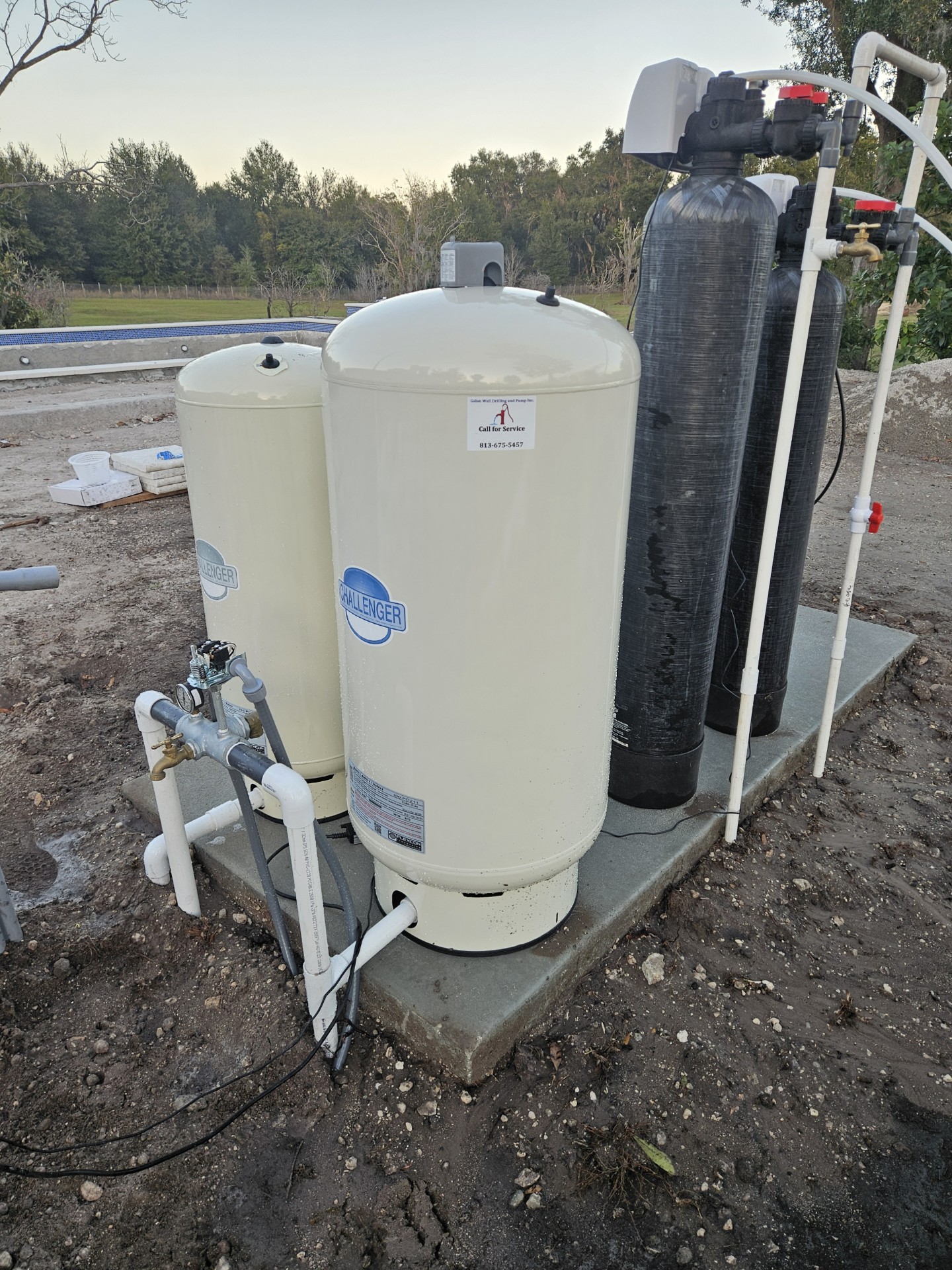
A malfunctioning pressure tank can create symptoms that resemble pump failure.
Warning signs include:
- Rapid pump cycling
- Pressure fluctuations
- Waterlogged tank
- Leaks around fittings
- Corrosion
The pressure tank and well pump work together, so problems with either component can affect the entire system.
✅ Consider Recent Weather Conditions
Florida weather can sometimes contribute to well system problems.
Heavy storms may cause:
- Electrical surges
- Lightning damage
- Flooding around equipment
- Power interruptions
Extended dry periods may also affect groundwater levels in certain areas.
If the problem appeared immediately after severe weather, electrical damage should be investigated.
✅ Check for Low Water Levels in the Well
Although less common, wells can experience reduced water production.
Possible causes include:
- Seasonal groundwater changes
- Drought conditions
- Excessive water usage
- Well aging
When water levels drop too low, the pump may struggle to deliver water or shut down entirely to prevent damage.
✅ Common Well Pump Failure Symptoms
A failing pump often shows warning signs before complete shutdown occurs.
Watch for:
- Low water pressure
- Sputtering faucets
- Air in water lines
- Increased electric bills
- Strange noises
- Frequent cycling
Recognizing these symptoms early can help prevent complete loss of water.
✅ Signs the Control Box May Be the Problem
Many well systems use a control box to help start and operate the pump motor.
A failed control box may cause:
- No water service
- Humming sounds without water flow
- Pump failing to start
- Electrical odors
Because control box issues can mimic pump failure, professional diagnostics are often necessary to determine the true cause.
✅ Avoid Common Homeowner Mistakes
When water suddenly stops flowing, many homeowners attempt repairs without fully understanding the system.
Avoid:
❌ Continuously resetting breakers
❌ Running the pump dry
❌ Adjusting pressure switch settings without testing
❌ Disassembling electrical components
❌ Ignoring unusual noises
Improper troubleshooting can sometimes turn a minor repair into a major replacement.
✅ When to Call a Professional Immediately
Some situations require immediate attention.
Contact a well professional if:
- You have no water at all
- Breakers repeatedly trip
- Electrical components smell burnt
- The pump runs continuously
- You hear grinding noises
- Water pressure suddenly disappears
Prompt service can often prevent further damage to the system.
✅ Preventing Future Well Pump Emergencies
Routine maintenance remains the best defense against unexpected breakdowns.
Recommended maintenance includes:
- Annual system inspections
- Pressure tank evaluations
- Pressure switch testing
- Electrical inspections
- Water quality testing
- Performance monitoring
Regular service helps identify worn components before they fail completely.
✅ Protect Your Home’s Water Supply
A sudden loss of water can feel overwhelming, but many well system problems are repairable when addressed quickly. Whether the issue involves the well pump, pressure tank, control box, pressure switch, or electrical system, accurate diagnostics are essential for restoring dependable water service.
Understanding the warning signs and acting early can help homeowners avoid larger repairs and keep their water systems operating efficiently year-round.
✅ Frequently Asked Questions
Why did my well pump stop working all of a sudden?
Common causes include electrical issues, pressure switch failure, control box problems, pressure tank issues, or pump motor failure.
Can a tripped breaker cause my well pump to stop working?
Yes. A tripped breaker can immediately shut down power to the well pump and stop water flow throughout the home.
How do I know if my well pump is burned out?
Signs may include no water service, unusual noises, repeated breaker trips, and failure to start despite proper electrical power.
Can a pressure switch cause a no-water situation?
Absolutely. A failed pressure switch can prevent the pump from turning on when water pressure drops.
What should I do if my pump keeps tripping the breaker?
Stop resetting the breaker and contact a professional. Repeated tripping often indicates electrical faults or pump motor problems.
How often should a well system be inspected?
Most professionals recommend a complete inspection at least once per year to identify potential issues before they become emergencies.