Is Your Well Pump Short Cycling? What Tampa Bay Homeowners Need to Know
Well pump short cycling—when a pump turns on and off rapidly—is a common issue in private well systems across Tampa Bay. While it may seem like a minor annoyance at first, short cycling can quickly lead to serious system damage if it’s not addressed.
Understanding why short cycling happens helps homeowners take the right steps before a small problem becomes a major repair.
What Is Well Pump Short Cycling?
Short cycling occurs when a well pump runs for very short periods and shuts off repeatedly instead of completing a normal cycle.
Common signs include:
✅ The pump turning on and off every few seconds
✅ Fluctuating water pressure at fixtures
✅ Unusual clicking or electrical sounds
✅ Increased wear on electrical components
This behavior places unnecessary stress on the pump and the entire well system.
The Most Common Causes of Short Cycling
Short cycling almost always points to an underlying system issue. The most frequent causes include:
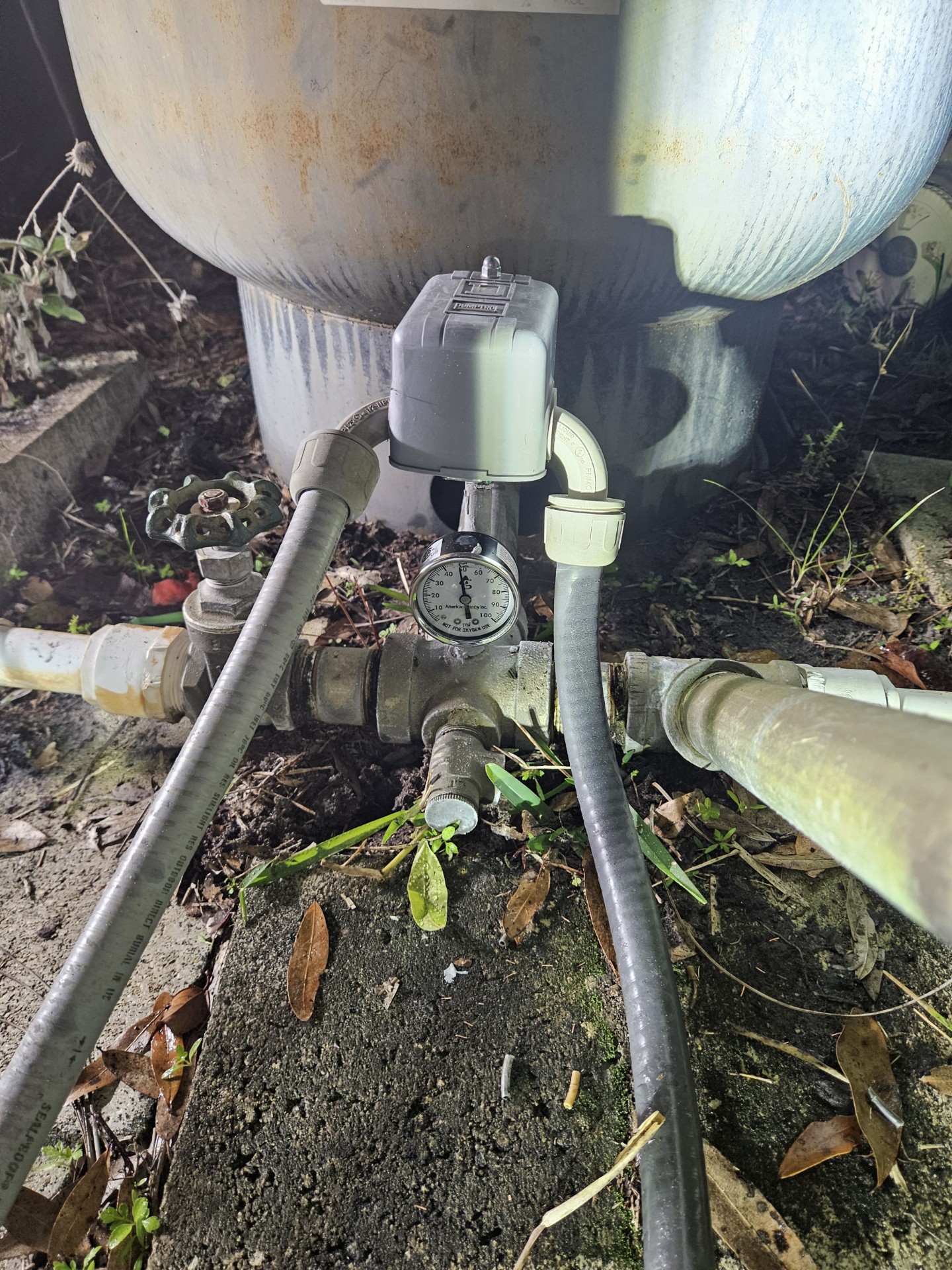
✅ Pressure tank problems
✅ Pressure switch malfunction
✅ Electrical control issues
✅ Air or water imbalance inside the tank
✅ Pump output mismatched to system demand
Identifying the root cause early can prevent premature pump failure.
Pressure Tank Issues and Rapid Cycling
The pressure tank is one of the most common sources of short cycling. When it can’t regulate pressure correctly, the pump compensates by turning on and off too often.
Common pressure tank-related issues include:
✅ Waterlogged tanks
✅ Loss of internal air charge
✅ Internal bladder failure
✅ Incorrect tank sizing
A failing pressure tank forces the pump to work harder than intended.
Pressure Switch and Electrical Component Failures
The pressure switch signals the pump when to start and stop. If it’s faulty, short cycling can occur even when pressure levels are normal.
Potential electrical causes include:
✅ Worn or corroded pressure switch contacts
✅ Incorrect pressure settings
✅ Control box or capacitor issues
✅ Electrical inconsistencies due to humidity or power fluctuations
Florida’s humid environment can accelerate wear on these electrical components.
Why Short Cycling Is Dangerous for Well Systems
Short cycling doesn’t just affect water pressure—it can significantly shorten the lifespan of a well pump.
Risks include:
✅ Motor overheating
✅ Premature pump burnout
✅ Increased electrical component failure
✅ Higher likelihood of sudden no-water situations
Addressing short cycling early helps protect the entire system.
Florida-Specific Factors That Contribute to Short Cycling
Tampa Bay well systems face conditions that can worsen cycling problems.
✅ Sandy soil affecting system stability
✅ Seasonal water table changes
✅ High household water usage
✅ Storm-related power fluctuations
These factors can amplify existing system weaknesses.
What Homeowners Should Do If a Pump Is Short Cycling
If you notice short cycling, it’s important to respond correctly.
✅ Avoid adjusting pressure settings without diagnosis
✅ Limit water usage until the issue is evaluated
✅ Do not ignore rapid cycling or unusual noises
✅ Schedule a professional inspection to identify the cause
Temporary fixes often make the problem worse if the root issue isn’t addressed.
Why Professional Diagnosis Matters
Short cycling can originate from multiple components working together. Professional diagnosis ensures:
✅ Accurate identification of the failing part
✅ Safe electrical handling
✅ Correct system balancing
✅ Prevention of unnecessary pump replacement
A system-wide approach is critical for long-term reliability.
Frequently Asked Questions
What causes a well pump to short cycle?
Short cycling is commonly caused by pressure tank issues, faulty pressure switches, electrical control problems, or system imbalance.
Is short cycling bad for a well pump?
Yes. Short cycling increases wear on the pump motor and electrical components and can lead to premature failure.
Can a pressure tank cause short cycling?
Yes. A waterlogged or failing pressure tank is one of the most common causes of short cycling in residential well systems.
Do Florida conditions affect short cycling?
Florida’s humidity, sandy soil, seasonal demand changes, and power fluctuations can all contribute to short cycling issues.
Should I turn off my pump if it’s short cycling?
Limiting pump operation can help prevent damage, but a licensed well professional should inspect the system before restarting it.